When Sabastian Sawe crossed the finish line in London this April, he became the first person in history to run a competitive marathon in under two hours. He did it wearing a Kenyan vest. Nobody was surprised.
Kenya has long produced the best distance runners on earth. Eliud Kipchoge alone makes the case. But elite athletics is only one layer of what this dopamine-inducing destination offers.
“Let’s put it this way, it’s a good place for travellers who don’t want to sit still,” says Antoinette Turner, GM of Flight Centre South Africa. “Sure, you can run and hike there, but it has plenty more to offer outdoor enthusiasts across the board. What surprises most people is just how much is packed into one destination, and how accessible it all is.”
Here’s what makes Kenya a compelling destination for active South African travellers, according to Flight Centre’s team of Travel Experts.
Iten: Where the best runners train
Known as the Home of Champions, the town of Iten sits at 2,400 metres above sea level in the Rift Valley, offering the perfect elevation for endurance training. Unsurprisingly, it has produced more elite marathon runners than anywhere else on the planet. More and more serious amateur runners are heading there to train at altitude alongside Kenyan athletes, eat simply, sleep well, and come home in better shape than they left.
“Active travellers who go to Iten expecting a challenging training camp often come back talking about how peaceful it was,” Turner adds. “Morning runs on red dirt roads through highland mist. Afternoon rest. Nutritious, whole foods. No distractions.”
A testament to the earth’s raw sculpting forces, Kenya’s Great Rift Valley is flanked by sloping escarpments, lake shores, and volcanic terrain that get trail runners excited. Routes around Lake Naivasha and Hell’s Gate National Park offer technical, scenic running at altitudes that will test your fitness and reward your effort.
“Hell’s Gate is also one of the few parks in East Africa where you can move at nature’s pace on foot or by mountain bike without a fence between you and the local wildlife,” Turner says. For mountaineers seeking a new frontier, she nudges towards Mount Kenya, topping out at 5,199 metres.
Cycling the highlands
The road from Nairobi into the Aberdare Range delivers a high-altitude adventure through tea plantations (Kenya is the world’s largest exporter of black tea), spectacular waterfalls, and cedar forests.
According to Turner, Kenya’s highlands suit multi-day safari cycling well – there’s enough gradient to make it interesting and enough scenery to justify stopping often. “The roads here are far quieter than anything comparable in Europe, and guided cycling routes are particularly well-established,” she says.
Walking safaris in the Maasai Mara
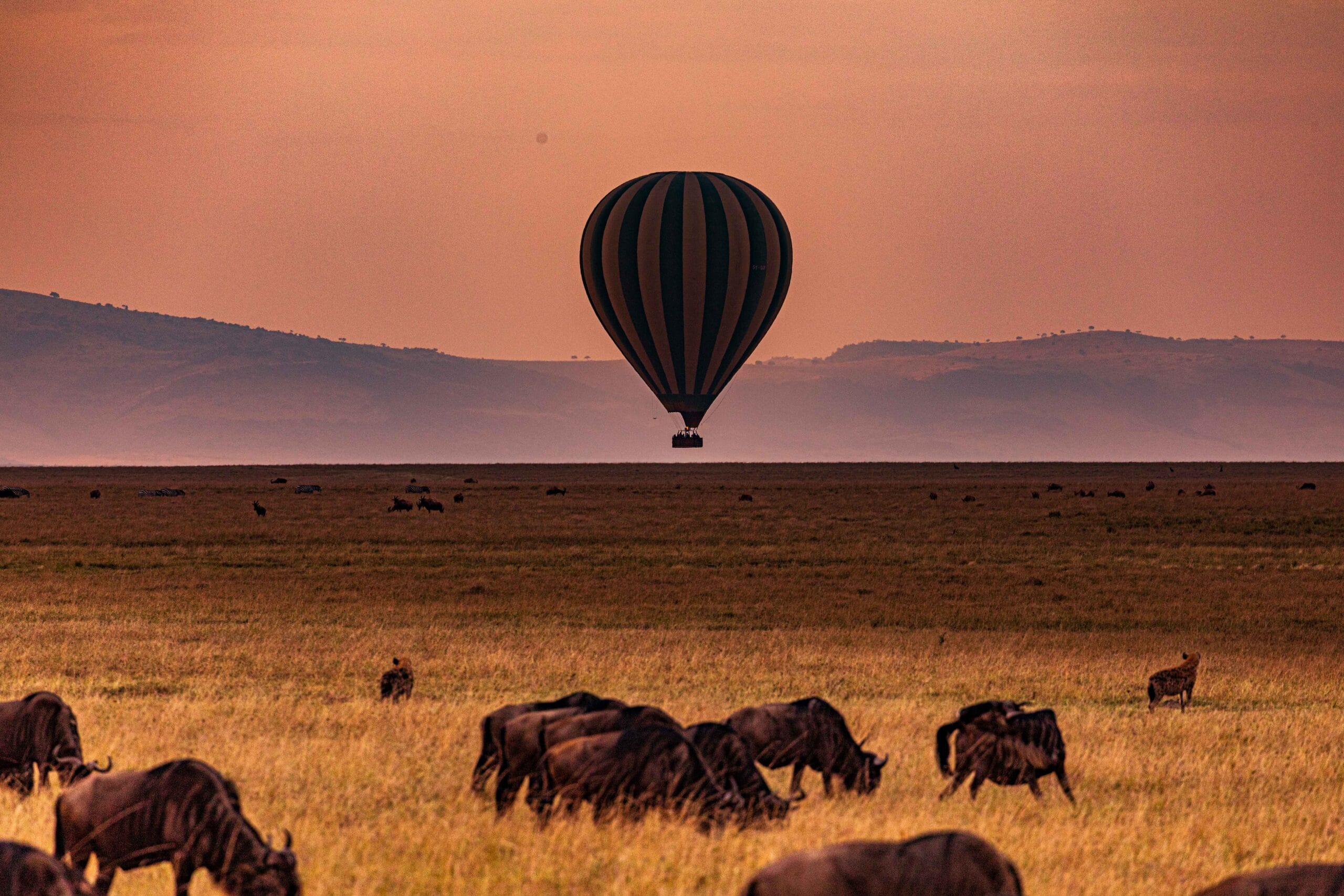
A walking safari provides an immersive alternative to 4×4 safaris, with all senses engaged. You read animal scat and spoor and move at a slower pace, allowing you to notice things you might miss from a vehicle seat.
“Active travellers opting for walking safaris are often the ones who’ve already done a conventional safari and want something different and more intimate,” Turner says. “This experience requires your full attention combined with physical movement, which is exactly why active and adventurous travellers love it.”
Water sports and kitesurfing
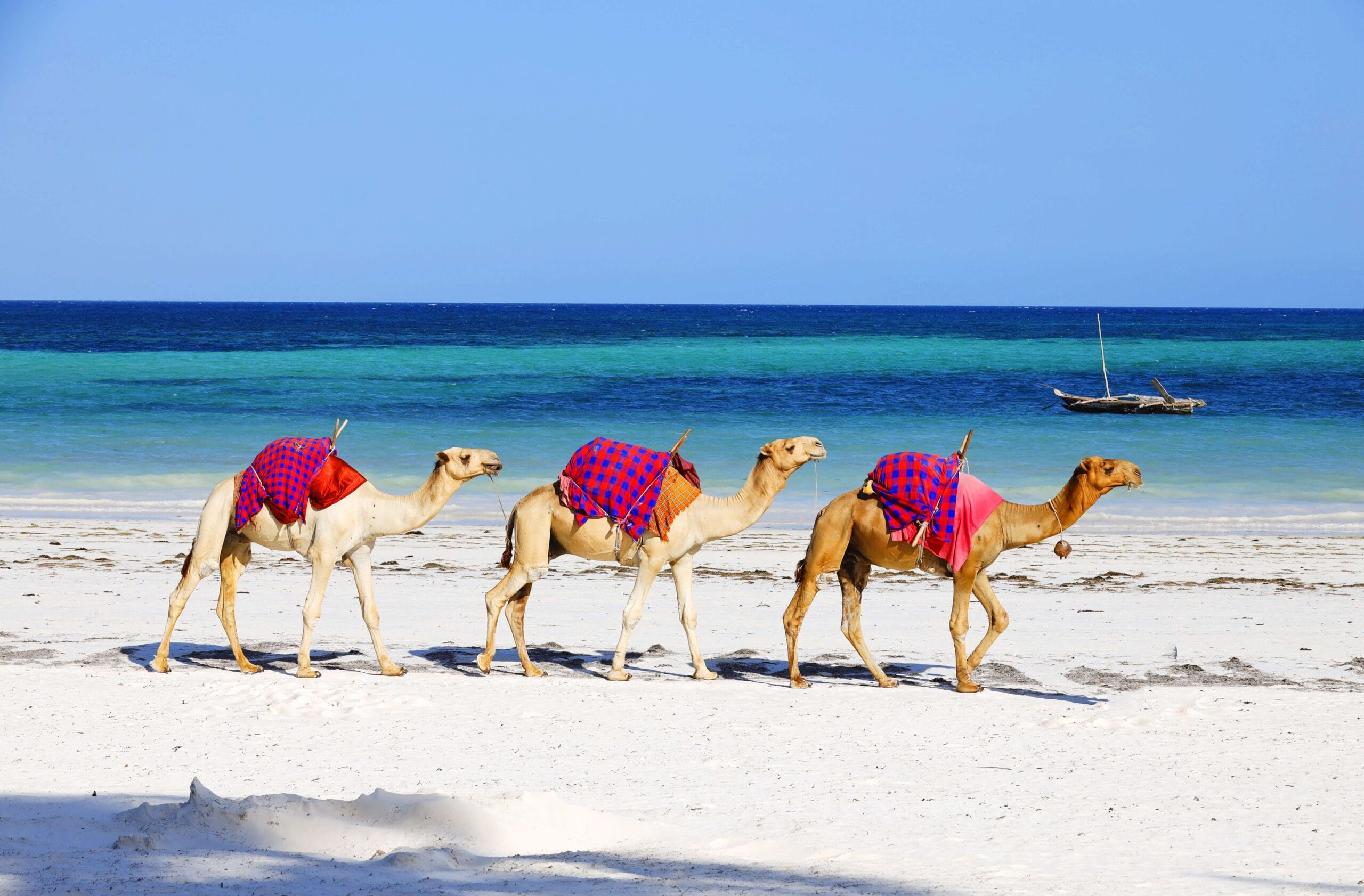
Diani Beach, on Kenya’s south coast near Mombasa, is a world-class kitesurfing destination, promising reliable trade winds, protected coral reefs, deep-sea fishing, scuba diving, and more. It is also, frankly, a fine place to do absolutely nothing for a few days, according to Turner.
“Downtime near the ocean delivers what most of us need to reset,” she adds. “The beach delivers on both ends of the activity spectrum: wading through the shallows or deep-sea fishing, depending on what kind of day you’re after. It’s worth the flight to Mombasa via Nairobi from Johannesburg.”
Yes, Kenya. But why now?
The country welcomed about 2.7 million international visitors and 5.2 million intra-African travellers in 2025 (including South Africans, who can enter Kenya visa-free for a period of up to 90 days), demonstrating the depth and diversity of its travel market.
The exchange rate works in South Africans’ favour, too. R1 buys approximately 8.00* Kenyan shillings, so accommodation, guides, and experiences that would stretch a budget in Europe sit comfortably within reach in Kenya.
“Kenya is not a budget destination in the rough-travel sense,” Turner says. “But South Africans get genuine purchasing power there, and that changes what kind of trip is actually possible.”
In short, when it comes to booking a trip to Kenya, don’t walk. Run.
*According to the exchange rate on 15 June 2026