There’s a special kind of magic in returning to the places that built you, where every salty breeze and neon arcade stirs something vivid beneath the surface. But what if, this year, you didn’t just remember those moments… you reinvented them?
More and more of us are craving the comfort of places that sparked our wonder when the world felt bigger (and maybe a little bit kinder) back when we were kids. Now, a new travel phenomenon is emerging, says Sue Garrett, GM Supply, Pricing & Marketing at Flight Centre South Africa.
“Many of our customers are retracing childhood footprints but layering the journey with finer food, more freedom, and “grown-up” indulgences that weren’t part of the experience back then. It’s essentially a trip back to the beginning – only this time, they hold the map.”
The psychology of going back
Nostalgia (literally a longing to return ‘home’) was once described as a kind of homesickness. Today, experts know it’s one of the brain’s built-in comfort mechanisms, especially in times of change.
Psychologists like Krystine Batcho have found that nostalgic memories help us remember who we were and make sense of who we are today. That gentle ache for simpler days is a psychological anchor, giving us a rare sense of belonging and clarity, especially when the world feels off-balance. As Professor Ziyan Yang has said, nostalgia is a form of mental time travel that can spark profound feelings of warmth, purpose, and connection.
So, it’s no surprise that these feelings have surged in recent years. Difficult times, from the pandemic to the pressures of modern adulthood, can send us hunting for comfort in our earliest, happiest places. When we revisit those childhood escapes, either physically or through memory, we’re able to escape the present momentarily, all the while stitching ourselves more tightly to the life stories that moulded us.
“Revisiting a place that you loved as a kid is a way to reconnect with who you were, and often to rediscover what really matters to you now,” Garrett explains.
Add in all those sensory triggers – ocean spray, braai smoke, savouring those lazy sunsets surrounded by loved ones, the squawk of hadedas at sunrise – and it’s easy to see why nostalgia-chasing travellers find the experience almost medicinal.
Why Gen Z and Millennials crave retro escapes
Considering that Gen Z and Millennials are both chasing optimised productivity, digital dopamine, and never-ending “hustle”, it’s striking how many younger travellers are yearning for something slower, softer, and rooted in the past. Sociologists call it a survival strategy. Both generations, facing constant pressure to optimise every hour, are turning to nostalgia as a kind of self-care and emotional reset.
As Vivek Iyyani, founder of Millennial Minds, noted at the Singapore launch of Pinterest Predicts 2026, “Gen Z are overworked, overscheduled, and overwhelmed. They’re always planning and scheming how to be more productive with their time, looking for hacks to save little bits of their time and energy. So, it’s no surprise they’re looking towards a distant past they have only heard of, but probably never experienced – those ‘nostalgic’ days when life was simpler.”
Pinterest’s data confirms it. Nearly one in four users is consciously reviving nostalgic habits, from revisiting childhood hobbies to collecting vintage keepsakes. Old-school activities, like sending hand-written postcards and packing disposable cameras, are back as a way to slow down and reconnect with the present. In Singapore, the spike in “pen pals” tells the same tale: a craving for connection that transcends Wi-Fi and social media algorithms.
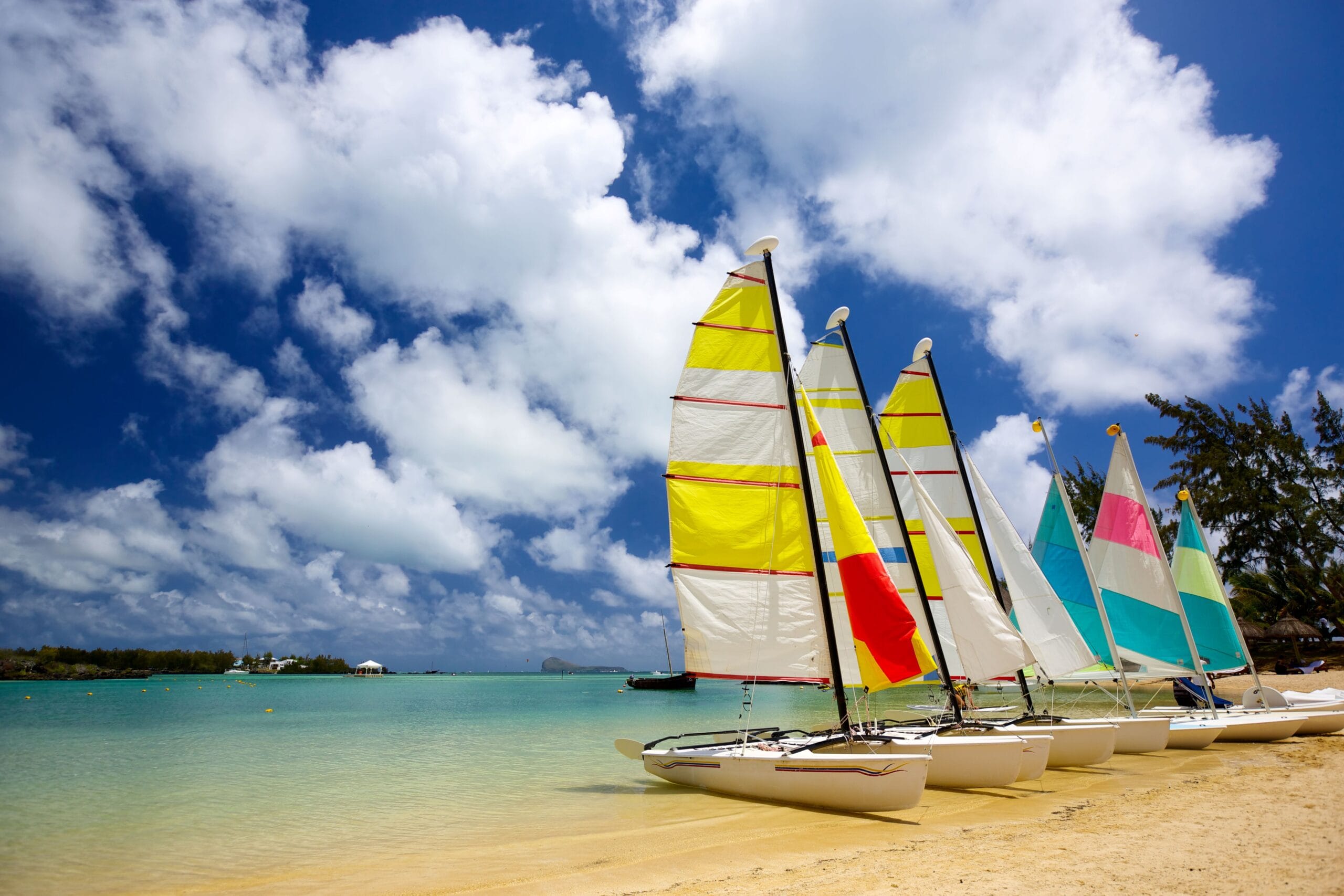
Here in South Africa, many holiday destinations are practically family heirlooms. Mauritius, for one, has been winning hearts for decades, weaving itself into the treasured memories of thousands of families. According to Flight Centre’s Year In Travel 2025 Report, this sunshine-soaked island was the ultimate international favourite last year, and consistently ranks in our national top three. Why? Because so many of today’s travellers once splashed in its warm waters as children – and are now passing that magic on to their own kids.
“The reason destinations like Mauritius and Kruger never go out of style is simple – they’re woven into our family stories. People return for the memories, but they also bring a new version of themselves to the experience,” comments Garrett.
How to plan a meaningful retro escape in 2026
- Start with your senses.
Ask yourself what tastes, sounds, or smells pull you back to those golden years? Was it the crunch of a toasted cheese at a freeway café or the smell of pine trees on a camping trip? Let these sensory cues guide your itinerary.
- Mix old favourites with new luxuries.
Blend the comfort of familiar spots with grown-up upgrades, such as a historic train ride with a gourmet lunch or a childhood amusement park followed by a spa afternoon. There’s real satisfaction in pairing retro pleasures with fresh indulgence.
- Bring your people.
Invite siblings, parents, childhood friends… or bring your own children along for the ride. Their perspectives (and stories) can refresh old memories and create new inside jokes.
- Include something unexpected.
Break your own pattern. Book that art gallery tour you always skipped or try a local cooking class. Sometimes the most meaningful moments come from combining what you loved then with grown-up forms of curiosity.
- Capture it analog.
Trade the Instagram scroll for something hands-on like a disposable camera or a playlist of vintage hits. These little rituals slow down your travel experience and let you savour both the journey and the return.
So, maybe that’s the real promise of nostalgia in 2026 – it’s an invitation to reclaim wonder, to rediscover joy, and to show up fully present for the comfort trips that turn into new adventures. In a world short on certainty, there’s something revolutionary in going back, only to discover something beautifully new.