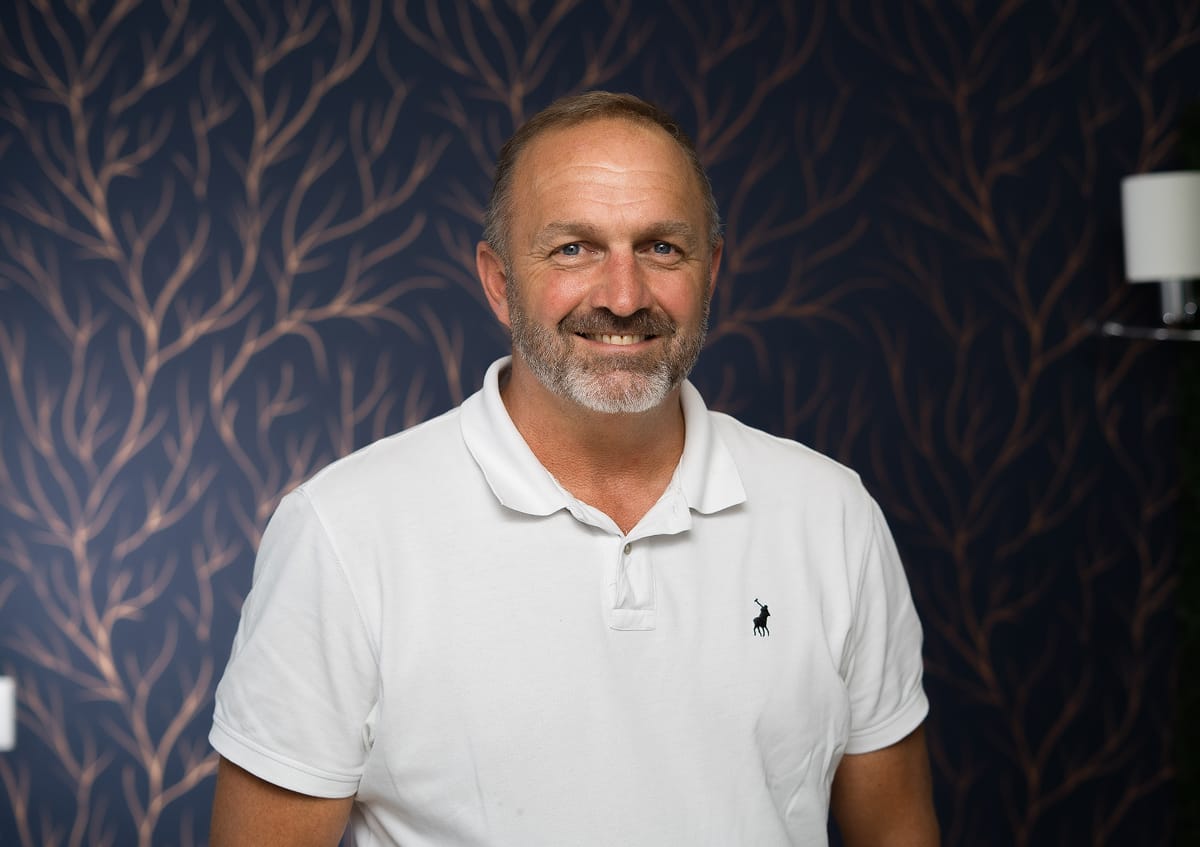
By Guy Stehlik, Founder and CEO of BON Hotels
I was really pleased to see tourism given real weight at Davos this year. Minister of Tourism Patricia de Lille stood on that stage and made a clear case that tourism should be treated as a serious economic growth engine, alongside electricity, transport and mining. For an industry that employs millions and sustains entire local economies, that recognition is highly appropriate and priceless.
When she led with Club Med SA, I totally got it. A R2.5 billion resort with a global hospitality brand behind it is the kind of story that travels well in investor circles. It shows confidence. And crucially, this wasn’t another deal dressed up as “international”. There was real foreign capital in the mix, alongside the IDC and local partners, and that’s what makes it stand out.
I only really paused when the conversation moved straight from Club Med to the idea of rolling out similar developments across the country. On paper, it sounds doable. But once you’ve spent time in this industry, you know those two ideas aren’t as aligned as they first appear. As a signal to investors, Club Med was the right example. As a blueprint for geographic spread, it’s a far more complicated proposition – the actual elephant in the room.
Club Med hasn’t landed just anywhere. It’s ended up in one of the few places in South Africa where its operating model genuinely makes sense. The KwaZulu-Natal north coast offers beach access, a workable climate, available land and the benefit of Durban’s northward expansion. It also allows the resort to connect directly to a Big Five safari experience in northern KwaZulu-Natal. That combination is rare, and it doesn’t really exist elsewhere at the scale this project needs.
The hospitality model itself is equally specific. Everything is all-inclusive and tightly programmed. Guests stay inside the resort because there’s no real need to leave. I’ve seen this first-hand at their Mauritius property. Families and children sit at the centre of the Club Med offer, management and staff rotate internationally, and the guests’ day is structured from morning through to the night. It works well in island-style leisure environments. But once you understand how the model operates, it’s hard to imagine simply lifting it and dropping it into the Drakensberg, near the Kruger Park, the Garden Route or a regional town and expecting the same results.
And for me, this is precisely why the question isn’t about replicating Club Med at all. It’s about being honest about the conditions that made it possible in the first place.
Hospitality investment itself isn’t the problem. It’s happening. Cape Town’s skyline tells you that much. The problem is where it’s happening. Outside Cape Town and a few established leisure hubs, development has slowed right down to a trickle. So, if geographic spread is genuinely the ambition, then using a highly specific, premium resort as the reference point starts to muddy the message.
What also tends to get lost in the Club Med story is how much had to be made to “happen” before the resort could even be built. The investor and its development partners didn’t just arrive at a site where bulk infrastructure was neatly in place. They carried the risk of getting it there, let alone the risks down the line relating to the infamous KZN service delivery issues relating to water, sanitation, electricity and other municipal matters, which matter when we start talking about replication.
If the expectation is that international hospitality investors are being asked to do more than just build and operate hotels, if they’re also being asked to step in where basic infrastructure falls short, then that needs to be said upfront. That’s not a criticism, as it’s simply how commercial decisions get made. Investors need to understand exactly what they’re being invited into.
This is where the difference between a Davos pitch and an investable proposition really shows. Investors don’t need inspiration, even when a project like Club Med is genuinely impressive. They need hard detail. They want to know what incentives exist outside established metros, what tax breaks apply in tourism growth corridors, what concessions are available and where government responsibility ends, and investor responsibility begins. Without that level of honesty, capital will keep going where it always goes, to places where infrastructure already works, and risk is easier to price.
There are a few other realities we need to be honest about, too. BEE structures come up again and again as a hurdle for international operators and investors looking at South Africa. That’s not to dismiss transformation. In the Club Med deal, the IDC pushed hard to make sure meaningful participation was built in through a BEE consortium, which demonstrates that it can be done.
The bigger issue is whether our current frameworks make it easier for investment to happen, or whether they end up adding layers of complexity without unlocking real growth. From where many operators sit, it often feels like the latter.
The same applies to skills and work permits. South African hospitality expertise is leaving for cruise ships and Middle Eastern markets, while our hotel schools are not producing the necessary conveyor belt of trained students and potential leadership at any pace and certainly not at the pace development requires. International operators bringing in their experienced “opening” teams to establish standards and train local staff should not face the outrageously difficult permit obstacles they currently do. Building local capacity is about sequencing. You bring in experience first, you transfer skills properly, and over time you localise leadership. Doing it the other way around rarely works.
I’ll be watching Club Med’s opening in July with interest. Not because I doubt it will succeed, but because it will tell us a lot about how investable South Africa really is once the ribbon-cutting is over and we are a few years down the line.
How staffing, localisation, infrastructure, approvals and partnerships play out in practice will be the real test. The planned 500-seat convention centre is interesting too. It suggests an understanding that long-term viability depends on more than leisure demand and peak seasons. Hotels survive on consistent, weekday business, not just great weekends or tourism seasons.
Club Med was the right example to take to Davos. As a signal, it worked. But if geographic spread is the real ambition, the conversation now must move away from examples and towards packaging hospitality-related investment benefits and incentives, focused on both the South African and local hospitality developers developing for South Africans and the international hospitality investment community.
Tourism investment doesn’t spread because one project looks good on a global stage. It spreads when the conditions are right for different kinds of projects to work in different places – this is what will unlock growth beyond Cape Town and a handful of luxury enclaves.
And if the Davos pitch is going to turn into real projects over the next few years, that’s where Patricia de Lille, collaborating with her fellow ministers, should focus on now.