South Africans are still travelling. The data is clear on this, and so is the instinct behind it – 83% of South Africans consider travel “extremely” or “very important” for their mental health, a higher proportion than any other country surveyed in Flight Centre’s global research. Despite real take-home pay dropping sharply and fuel costs continuing to climb, travel in 2026 hasn’t been abandoned. It’s been reconsidered. Scrutinised. And, for many South Africans, staunchly protected as the one thing worth spending (carefully) on.
That shift in mindset – more value-conscious and more willing to ask whether the obvious choice is actually the best one – is exactly the right lens through which to look at Time Out’s 2026 Best Cities ranking. Built on the responses of more than 24,000 locals across 150 cities worldwide, it is the most resident-informed ranking of its kind. And what it reveals, for South African travellers open to looking beyond their usual itineraries, is a set of destinations that deliver extraordinary experiences at a fraction of the cost of the cities that typically dominate South African booking patterns.
Cape Town’s sixth-place ranking (above Tokyo, Seoul, Paris, and Singapore) is proof that South Africans already know what world-class looks like. The question is whether they’re finding it when they travel.
“Right now, South Africans are asking better questions before booking,” says Antoinette Turner, GM of Flight Centre South Africa. “They want to know that their money is really working for them – not just that a destination is popular, but that it will actually deliver value. The cities that come up again and again in that conversation are often not the ones people expected to be considering.”
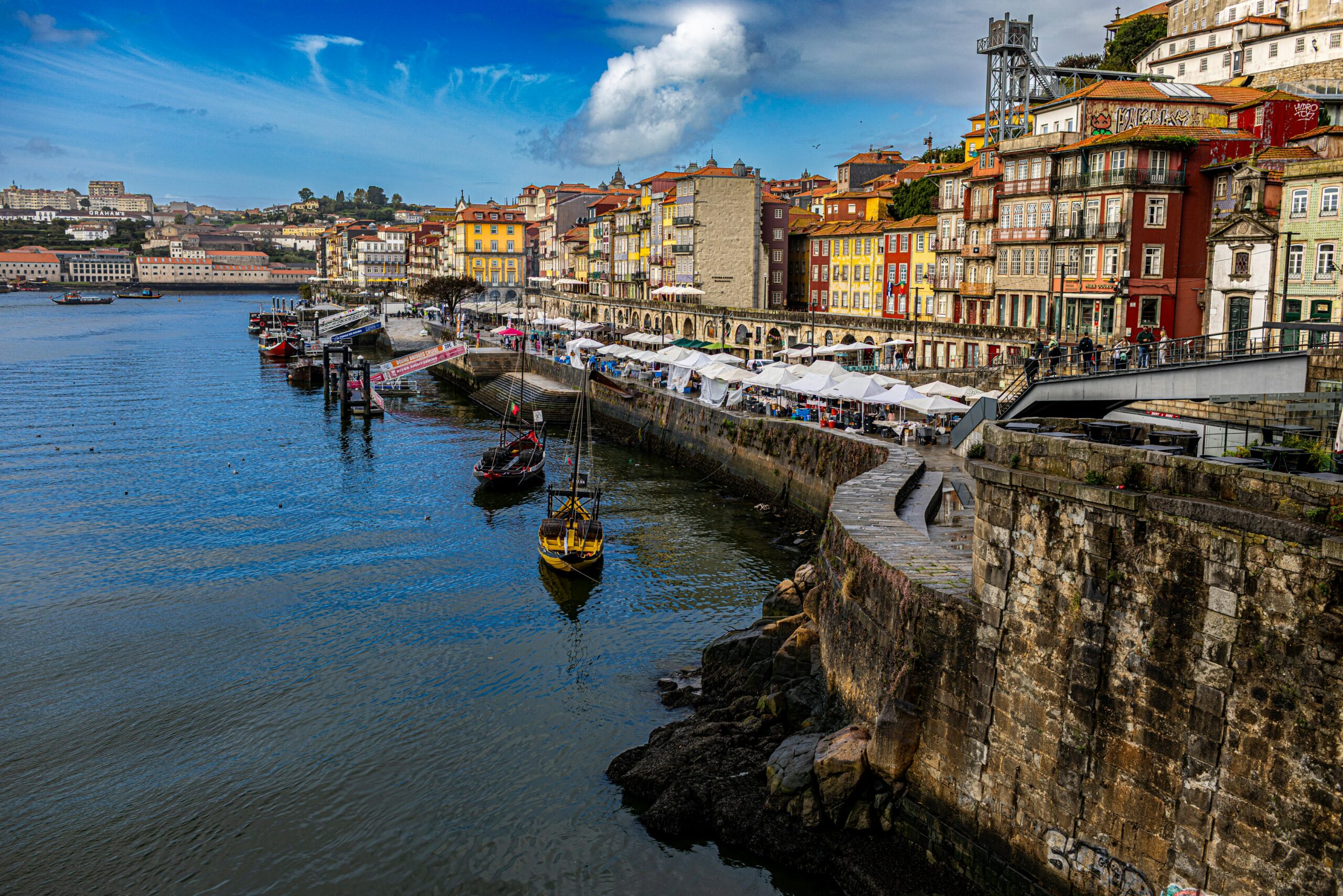
Porto, ranked 17th in the world, is one of them. 80% of its residents describe it as “welcoming” and “friendly”. 99% say it’s “cheap to grab a coffee”. Portugal remains one of the most affordable destinations in Western Europe, and the city rewards exactly the kind of unhurried, exploratory travel that South Africans are increasingly drawn to. It is also, for those who have already done Lisbon, a revelation: smaller and considerably more characterful.
Edinburgh, ranked 3rd globally, is the city that consistently surprises South Africans who expected to love London more. It scored the joint-highest walkability rating of any city surveyed, a 94% approval rating for its food scene, and 91% of its residents report finding genuine joy in their everyday lives there. It is also accessible on existing routes through London or Amsterdam without adding significant travel time or cost.
Kraków, ranked 16th, is the most compelling value proposition in Europe for South African travellers right now. Retaining its own currency (the Polish złoty) rather than using the Euro, it provides a high-standard, UNESCO-protected historic experience at a fraction of the cost of Western Europe or Eurozone hotspots. Plus, its 87% food scene approval rating and its extraordinary walkability make it a destination that delivers on every measure that matters.
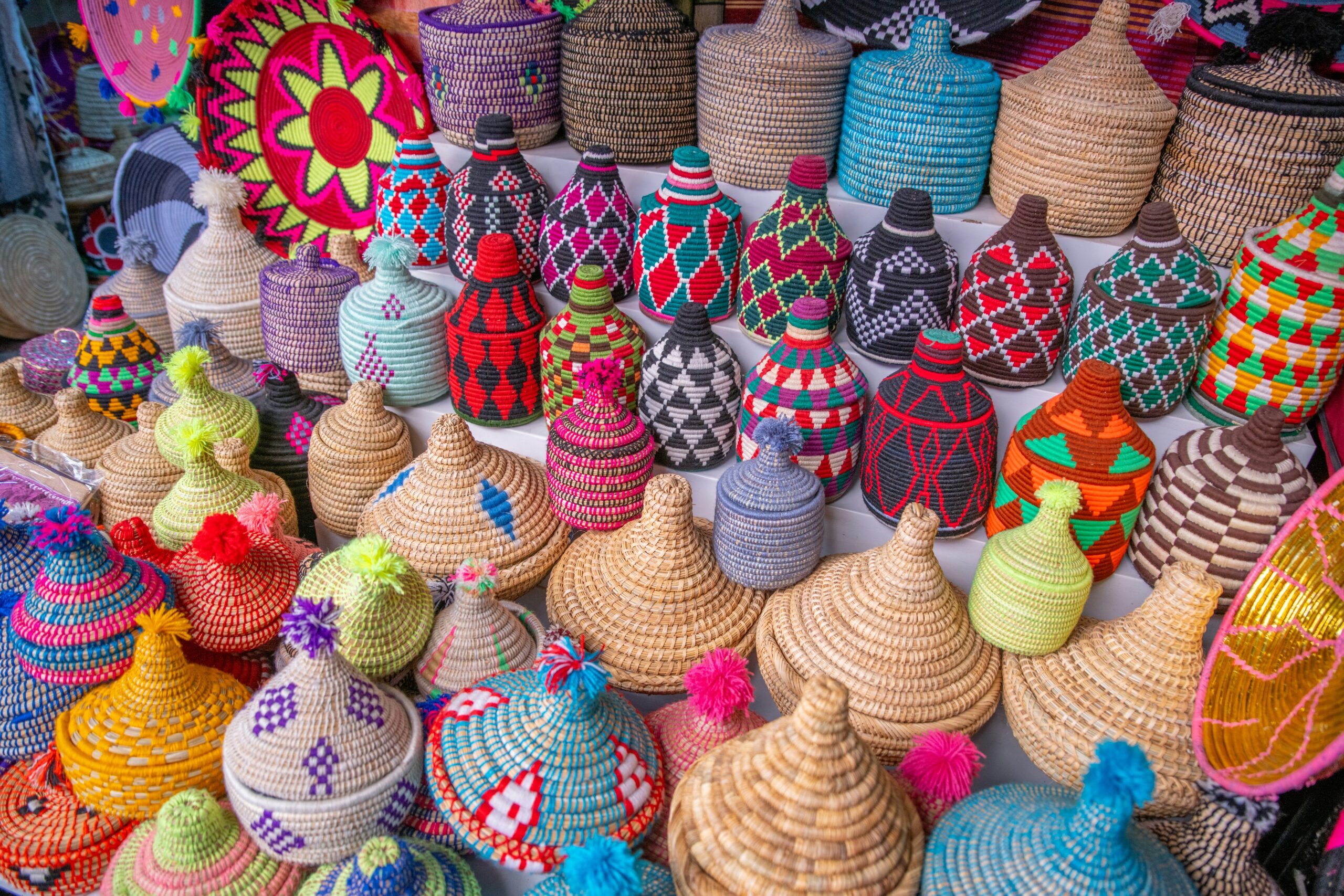
Marrakech, ranked 24th, is rated by 82% of its residents as a city with a strong sense of community and offers an exciting cultural shift without having to cross into a totally unfamiliar time zone. Just an hour behind South African time, it delivers the immersion of a genuinely different culture with almost no adjustment on arrival, making it a rewarding choice for anyone after a proper change of scene. Just plan ahead, because if you don’t hold one of the pre-qualifying visas (for example, US, UK, Schengen Area, Canada, Australia, New Zealand, Ireland, Japan, or the UAE) you will need to apply directly to the Embassy of Morocco in Pretoria.
None of these cities are obscure. They’re simply underleveraged, chosen less frequently than their quality and affordability warrants. In a year when South African travellers are being more intentional about every rand they spend on travel, that gap between what’s popular and what’s truly worth it is worth closing.
“When budgets are tighter and the world feels less predictable, the instinct is often to book what you know. But the real value in travel right now isn’t necessarily where it always used to be,” says Turner.
“The lesser-known cities on Time Out’s list are not consolation prizes for travellers who couldn’t afford somewhere better. They are, by the measure of the people who live in them, among the most rewarding places on earth. They simply require someone who knows that… and knows how to get you there,” she concludes.