Your flight’s been cancelled, and there’s one seat left on the next departure. The traveller next to you grabs it and walks straight to the gate. You’re still standing there because your bag is somewhere in the hold and nobody can tell you exactly where.
Disruption has become a standard feature of modern travel rather than an exception.
“55% of South African travel intenders cited flight delays and cancellations as their biggest frustration in Flight Centre’s 2025 global PR survey, and checked baggage can often make the situation worse,” says Zay Ferguson-Nair, Flight Centre South Africa’s Customer Experience Manager.
“The financial incentives to check a bag are disappearing fast, too – airlines globally raked in $148.4 billion in ancillary revenue last year, a 26% year-on-year surge, with checked luggage fees doing a significant share of that heavy lifting. Never mind the fact that over 24 million checked bags were either lost, damaged, or delayed in 2025.”
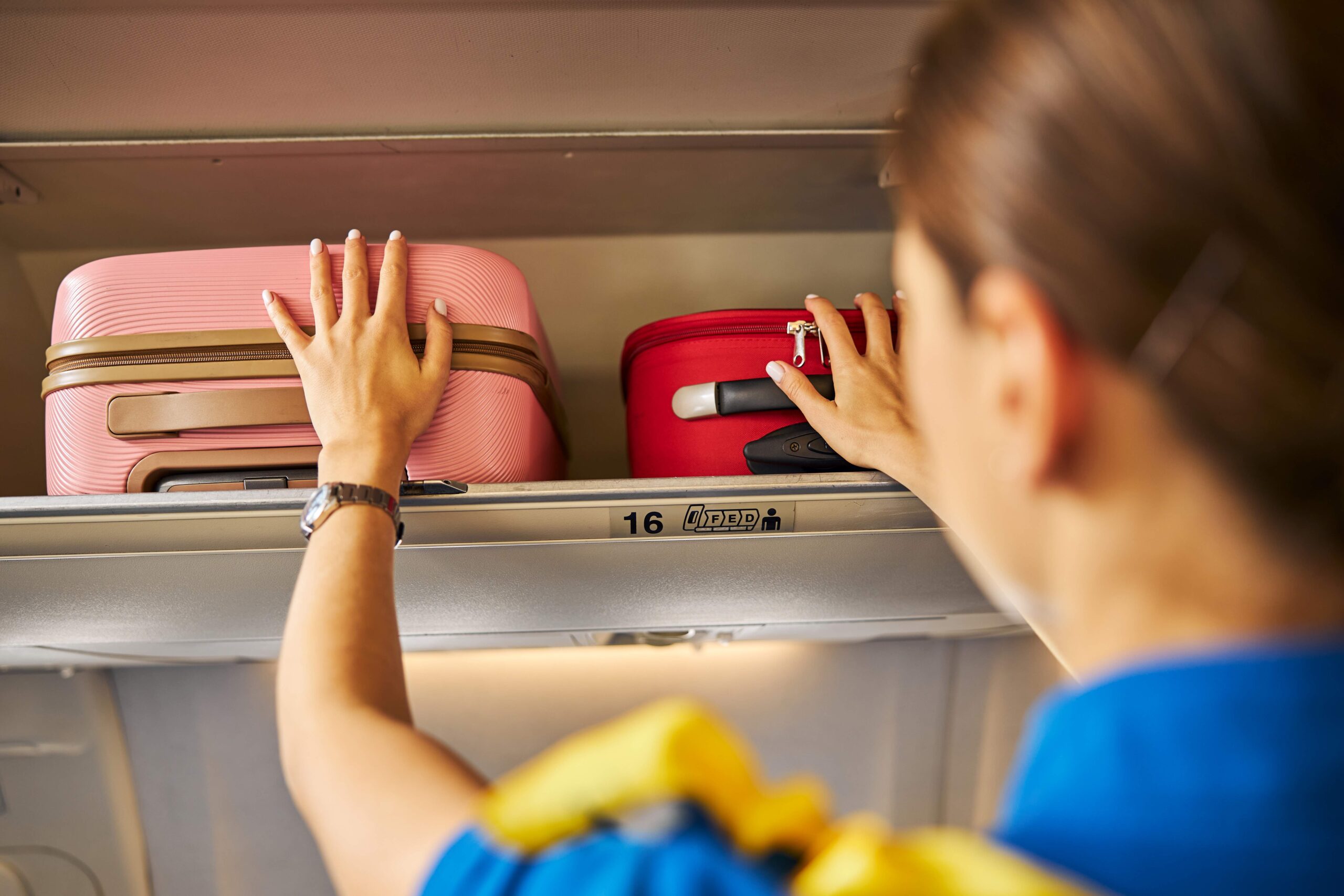
Carry-on only used to be something backpackers did, but travel experts now agree it’s the smartest thing any traveller can do. Here’s everything you need to know to get it right.
First, the rules that changed in 2026
Here’s what’s new:
Power banks and spare batteries
You are now limited to a maximum of two spare power banks or loose lithium batteries per person. They are strictly banned in checked luggage and must be kept in the seat pocket or in a bag under the seat in front of you to prevent hidden fire risks in overhead bins. And critically, you are no longer permitted to recharge your power bank or charge a device using a power bank while on board the aircraft.
The watt-hour rules
This is where most travellers get caught out. Check the watt-hour (Wh) rating on your devices before you pack:
- Under 100Wh: No restrictions. This covers most phones, tablets, and standard laptop batteries.
- 101Wh to 160Wh: You’ll need express approval from your airline before you travel. This typically applies to larger professional camera batteries and some medical devices.
- Over 160Wh: Banned on passenger aircraft entirely. No exceptions.
How to actually pack two weeks into a carry-on
Instead of planning by day – Monday’s outfit, Tuesday’s outfit – plan by item.
“Every piece you pack should work with at least three other pieces. That single discipline eliminates more dead weight than any compression cube ever will,” advises Ferguson-Nair.
The formula that works
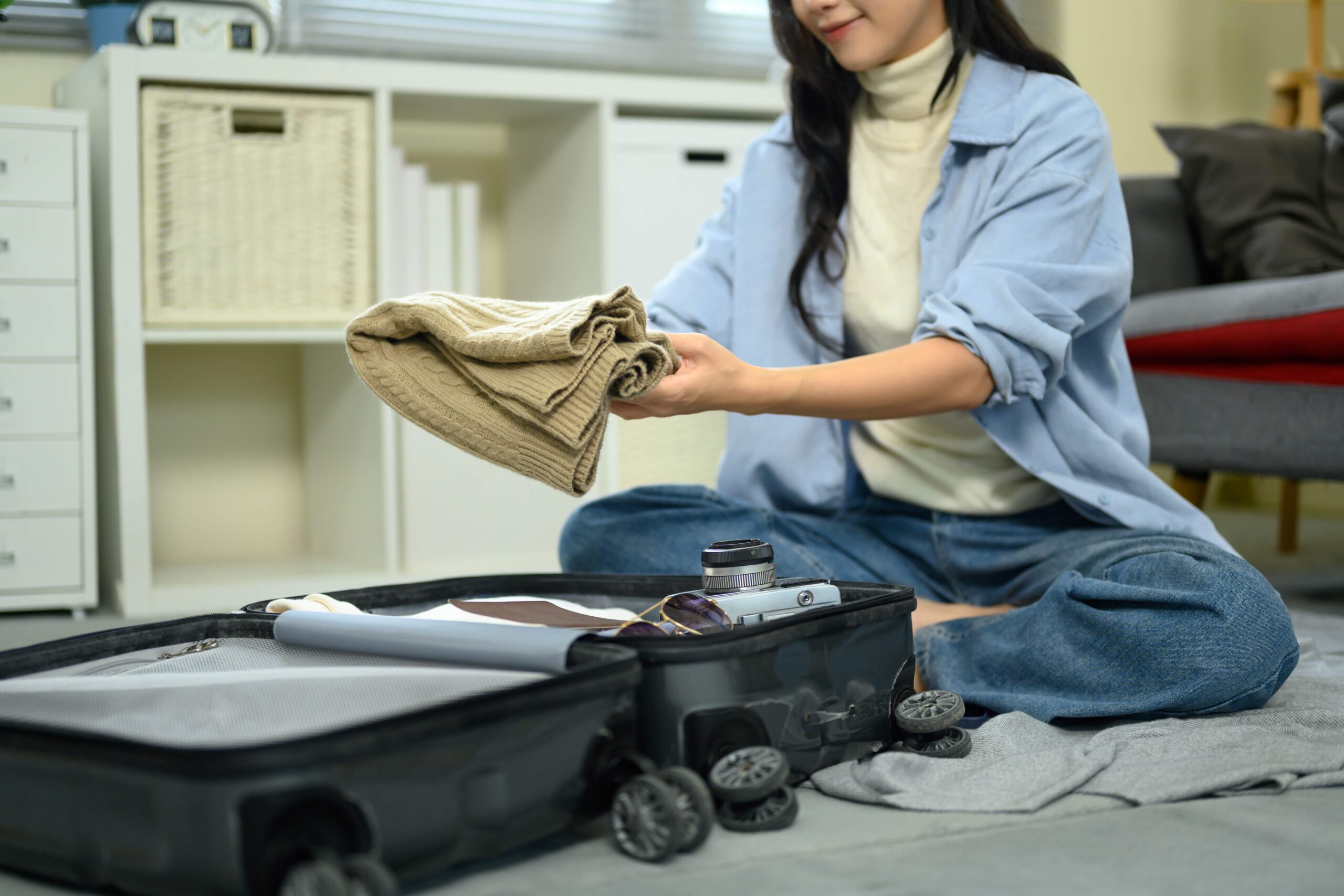
For a two-week trip, a carry-on capsule wardrobe looks roughly like this:
- 4–5 tops
- 2–3 bottoms
- 1 dress or smart outfit if the trip requires it
- 1 light jacket or cardigan
- 2–3 pairs of shoes maximum
- 7–10 pairs of underwear and socks
- Sleepwear, swimwear, and workout gear only if you will actually use them
The key to making this work for two weeks rather than one is a mid-trip laundry wash. Pack a few lightweight laundry detergent sheets (they weigh almost nothing and dissolve in a hotel sink) and plan to wash clothes once around day seven. You’re effectively packing for seven days and wearing everything twice.
And remember, what’s on your body doesn’t count toward your bag weight, so wear your heaviest pair of shoes on the plane, along with your bulkiest jacket and any heavy layers.
The colour palette rule
Stick to three primary colours that all work together. When every top matches every bottom, you multiply your outfit combinations without adding a single item to your bag. A navy, white, and khaki palette, for example, gives you more combinations than a suitcase full of pieces that only work with specific partners.
The gear that makes it possible
Compression packing cubes are worth every cent. They organise your bag while reducing the volume of clothing by squeezing out excess air. Keep one cube strictly for electronics, cables, and documents so you can pull it out at security without unpacking everything else.
“One thing I always tell clients is to pack your backpack or handbag as if it’s the only bag you have. Essentials, one change of clothes, your valuables, your documents. That way, if your carry-on gets gate-checked, you still have everything you need under the seat in front of you,” advises Ferguson-Nair.
Travel light. Move fast. Stay in control.
Packing light used to be a compromise, but in 2026, it truly is a competitive advantage. Thankfully, none of the above is complicated – it just requires intention rather than defaulting to the large suitcase out of habit.
The battery regulations are a five-minute read before your next trip. The capsule wardrobe takes one afternoon to build properly and works indefinitely. The airline allowance research takes ten minutes and can save you a great deal of money.
“The travellers who feel most in control at airports are the ones who made a decision before they left home to not let their luggage make decisions for them. That’s it. That’s the whole secret to stress-free travel,” Ferguson-Nair concludes.