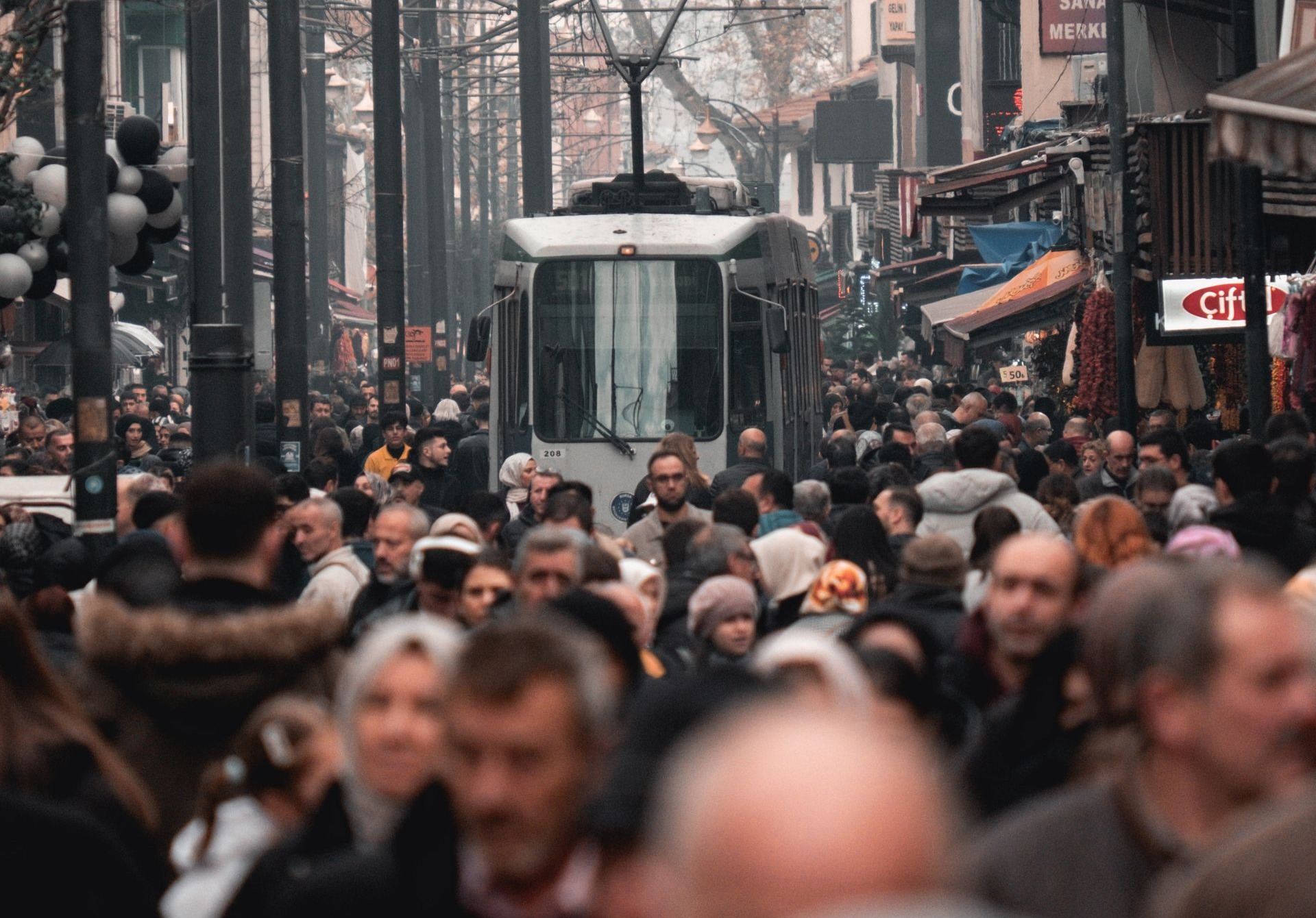
Overtourism has spent the last few years as a headline problem for holidaymakers – crowds on the Spanish Steps, queues at Machu Picchu. It has felt like a tourist’s problem. It isn’t anymore.
A 2026 global survey by SAP Concur, covering 3,300 business travellers across 21 markets, found that nearly one in four (24%) had a work trip negatively affected by overcrowding. Among the top frustrations, 43% reported higher costs in crowded destinations, 38% struggled with transport and 33% couldn’t book their preferred options due to overbooking or limited availability.
The pattern is familiar to anyone who has tried to find a room in Cape Town during Mining Indaba week. But it’s a wider problem. Industry bodies like SATSA point to how heavily South Africa’s tourism and corporate travel activity is concentrated in a handful of hotspots like Cape Town and Kruger. That concentration strains local infrastructure and drives up hospitality and commercial overheads, which leaves less flexibility when you are planning a corporate retreat or a regional conference.
That leaves organisations carrying costs they did not plan for, and SMEs on a smaller budget feel it first. The question is what to do about it.
The hidden cost nobody budgeted for
The direct costs of a business trip are visible. The costs that overtourism introduces are less obvious and, for smaller businesses, potentially more damaging.
When demand concentrates in a destination, airfares and hotel rates climb and availability shrinks. The traveller who can’t secure a central room books something cheaper and further out, then spends more on transport and more time getting between appointments. The third meeting of the day becomes tight, the taxi queue is long, and an unplanned overnight stay wipes out any contingency the budget had.
The pressure starts before the hotel. Longer queues at security and immigration cut into tight schedules and, for South African passport holders, visa appointments are harder to secure ahead of peak periods.
Destinations are also pushing back. City taxes, visitor levies and limits on short-term rentals are becoming more common. Business travellers pay the same levies as tourists (with some exceptions), and fewer rentals means more competition for hotel rooms.
“For a large corporate, an extra night or a premium hotel rate is an inconvenience,” says Herman Heunes, General Manager at Corporate Traveller South Africa. “For an SME, it can be a meaningful hit to a project budget. The compounding effect of small disruptions – a longer journey here, a last-minute booking there – adds up in ways that don’t always get tracked but absolutely get felt. The businesses that manage this well are the ones that treat destination pressure as a planning variable, not a surprise.”
There is a human cost too. A traveller who has battled queues and a long commute arrives at the meeting tired and less effective, which makes crowded destinations a duty of care issue as much as a budget one.
Nor is overtourism simply a summer phenomenon. The Organisation for Economic Co-operation and Development (OECD) notes that around 40% of tourist nights across its member countries fall within the three busiest months but, according to European Commission research, major events and festivals create demand spikes throughout the year, often in the same cities where business travel concentrates. The useful planning question is no longer just “is this peak season?”, but “what else is happening in this city the week I need to be there?”
The SME reality
Large corporates have dedicated travel teams negotiating hotel blocks and monitoring demand in key destinations. Most SMEs don’t, and travel risk is still handled informally, case by case. Without visibility into what’s driving demand in a city on a specific date, an SME travel booker is making decisions blind.
“What we see with SME clients is that the planning conversation often starts too late,” says Carmen Hidalgo, Customer Success Team Leader at Corporate Traveller South Africa. “By the time someone books travel for a trip that coincides with a major event or peak demand period, the good options are gone and the remaining ones cost significantly more. Corporate Traveller produces a global events calendar and it’s an invaluable resource when it comes to planning. We can also secure rooms ahead of major events at negotiated rates and often find availability when public booking sites show sold out.”
A practical playbook for high-pressure destinations
Business happens where business happens, so it’s impossible to just ‘avoid busy cities’. The better approach is to plan for predictable pressure points before they become expensive ones, advises Heunes:
- Check more than the holiday calendar. Major conferences, trade fairs, sporting events and festivals drive the same demand spikes as peak tourist season. Check what else is scheduled that week before confirming dates.
- Move the dates if you can. If the trip isn’t tied to a fixed event, shifting it by a few days is often the cheapest fix available.
- Book earlier when dates are fixed. When the meeting date isn’t flexible, the accommodation decision is. Earlier booking means more choice, better rates and a location that works for the itinerary. Apply for visas early too.
- Ask whether the meeting has to happen there. A secondary city or a consolidated trip can sidestep the pressure, and lower-stakes meetings may work just as well online.
- Weigh location against total trip cost. A hotel outside the tourist centre may look cheaper on the booking screen. Factor in transport cost, journey time and schedule risk before assuming it’s the better option.
- Cluster appointments geographically. In a congested city, the distance between meetings matters more than usual. Group appointments by area and build realistic transfer time into the schedule.
- Agree approval thresholds in advance. Knowing who can approve a rate above the usual policy ceiling prevents a good option from disappearing while the email chain is still ongoing.
- Track what destination pressure costs you. Review out-of-policy bookings and unplanned extras by destination and date. The patterns show which trips need earlier planning next time.
Overtourism won’t make business travel impossible in the world’s most visited cities, but it has made it less predictable. For SMEs without a large travel budget or a dedicated travel team, less predictable means more exposed.
“There’s no need to significantly increase your travel budget in order to keep up. Just develop a clear process, know your destination, know your dates, and know what you’re willing to pay when the easy options aren’t available. Nothing about that is sophisticated travel management,” says Heunes. “It’s just good planning.”