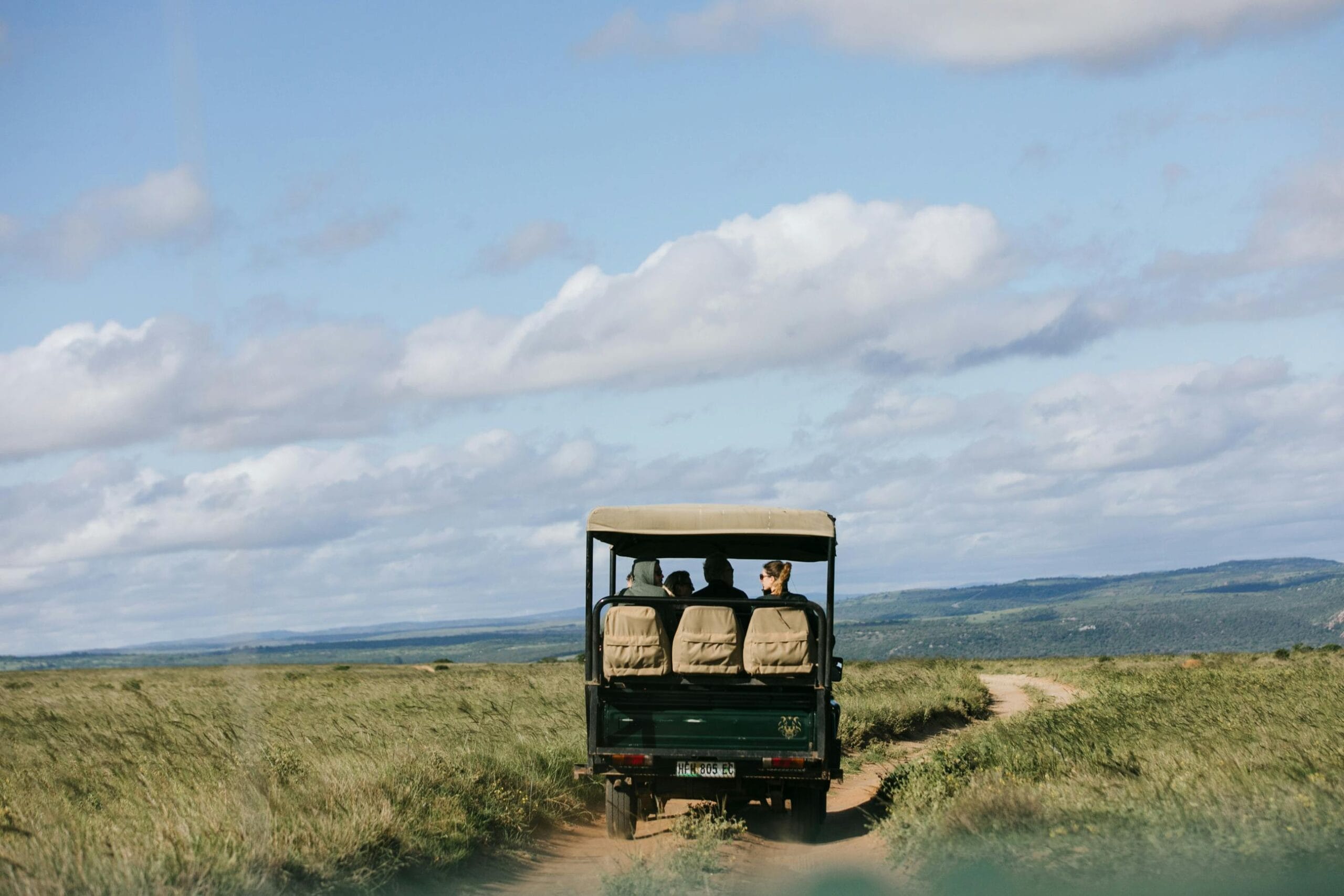
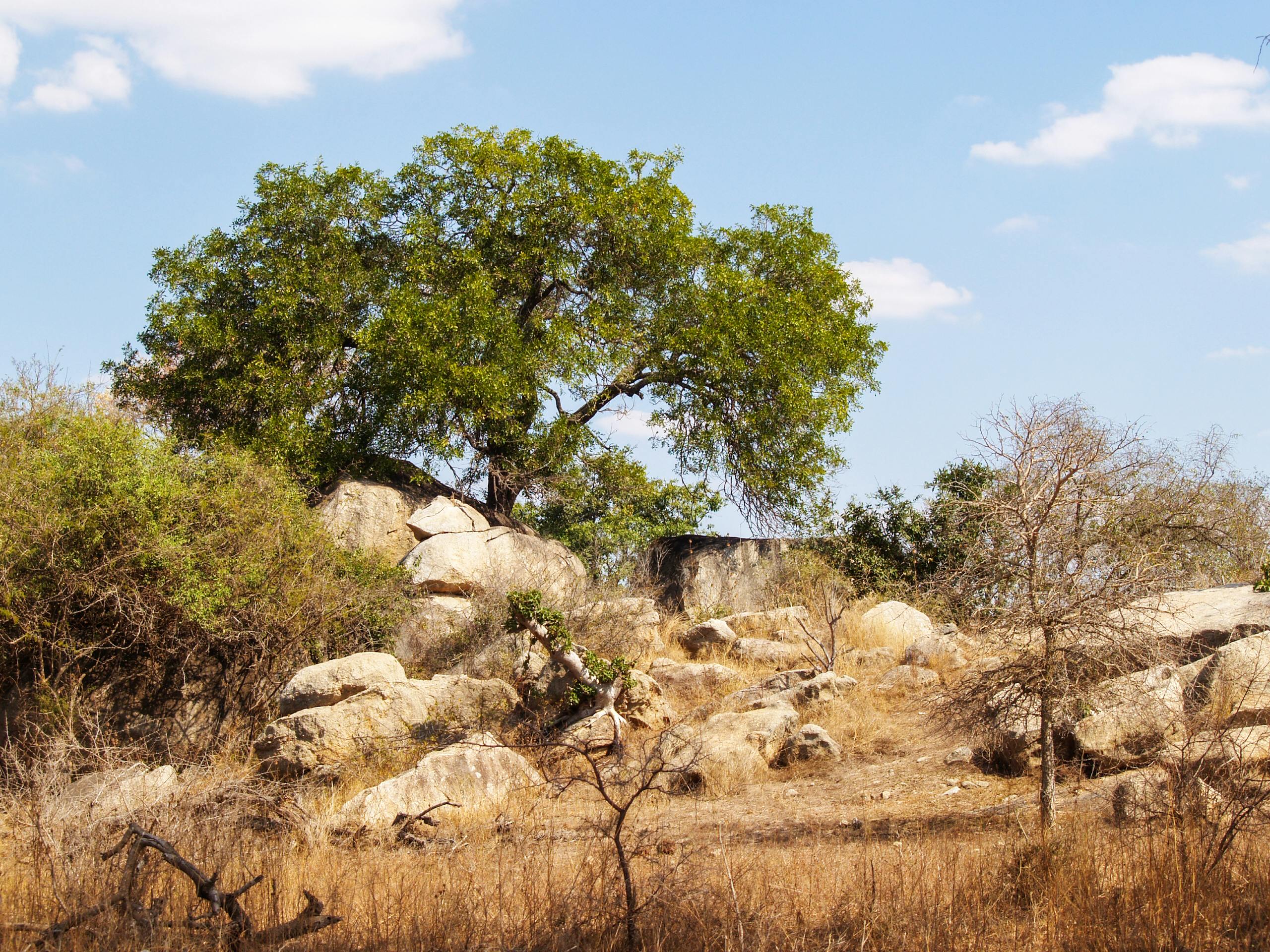
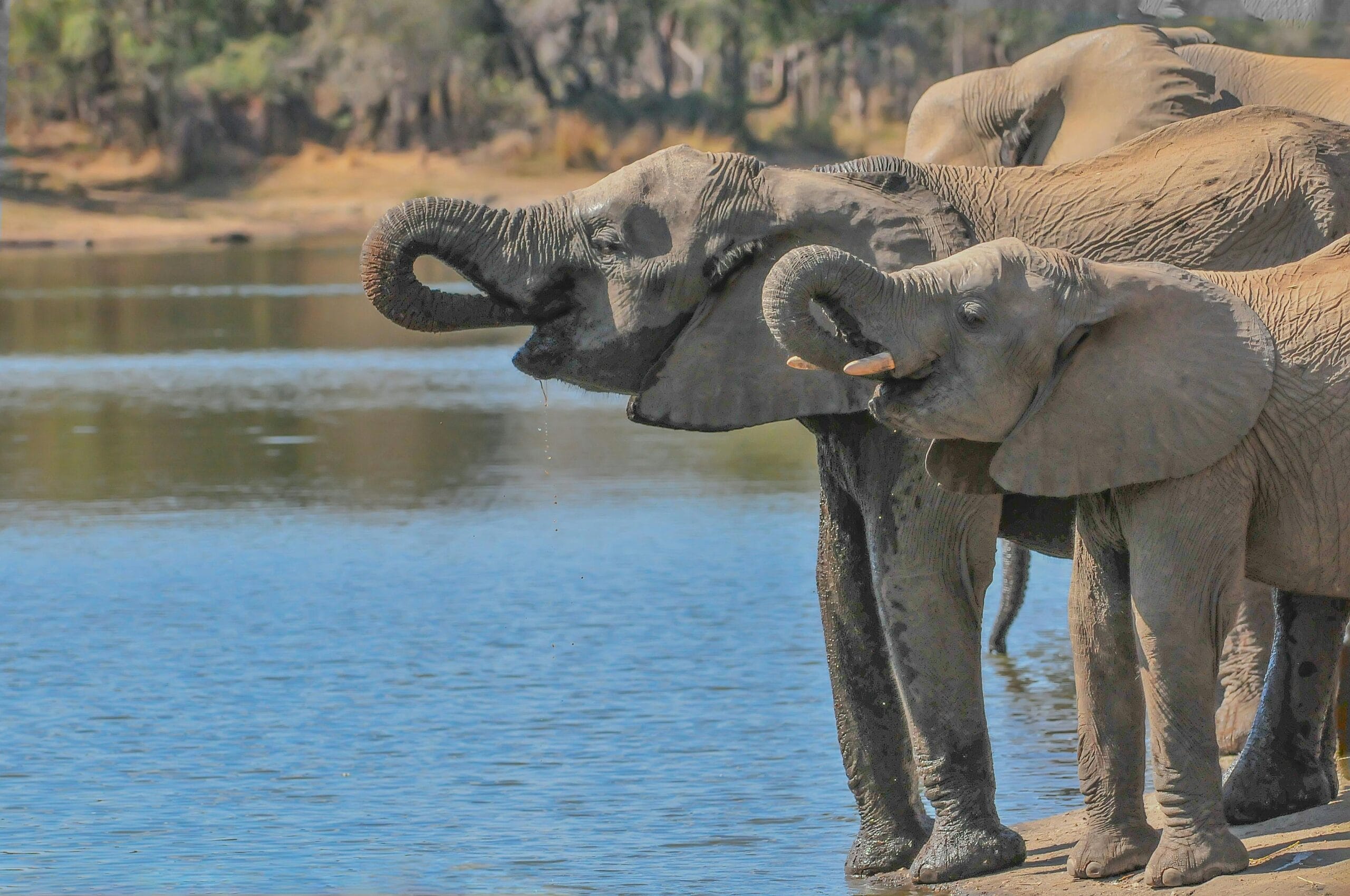
May marks the start of southern and East Africa’s dry season, which means it’s safari planning go-time for South African travellers. This is the time of year when the bush thins, waterholes concentrate, and animals become easier to find.
These defining features remain the same, but this year, something has shifted in where people are choosing to go and what they want to do when they get there.
“We’re seeing a genuine and growing appetite for experiences that deliver something beyond game drives,” says Antoinette Turner, General Manager, Flight Centre South Africa. “Local travellers are choosing unhurried safaris that prioritise ecological integrity and active participation over passive observation.”
Flight Centre’s Global PR Survey reinforces this. South African travellers rank the most likely of any market globally to prioritise restful, sustainable holiday experiences.
The conversation is simultaneously happening at an industry level. At World Travel Market (WTM) Africa this year, one of the most debated sessions, Nature on Demand: The High Cost of Instant Gratification in African Wildlife Tourism, took direct aim at ambiguous conservation and the high-turnover safari model that has long dominated parts of the market.
Kgomotso Ramothea, CEO, African Travel and Tourism Association (ATTA®), confirmed the message: “When wildlife tourism optimises purely for guaranteed sightings and fast turnarounds, the ecosystems bearing that weight eventually pay for it. The alternative now is deliberate, more embedded experiences, which is gaining serious ground.”
This shift is playing out across the continent in ways that feel both subtle, yet significant. Below are some examples of where travellers are turning their attention this year, according to Flight Centre’s Travel Experts.
Madikwe, South Africa
Madikwe Game Reserve is malaria-free and sees a fraction of the traffic that the Greater Kruger corridor does. That alone makes it worth considering this season. For guests who want to do more than just observe, Morukuru Family offers a “Safari with a Purpose” add-on.
According to Co-Founder and Co-Owner, Ed Zeeman, visitors aren’t simply briefed on conservation here; they are immersed in the objectives and outcomes. This means understanding how animal tracking data informs protection strategies on the ground and spending hands-on time with researchers and anti-poaching units.
“This is not a staged conservation theatre experience,” he says. “Collaring happens whether guests are there or not. What the package offers is access. Guests may find themselves at eye level with a darted lion while a veterinary team fits a tracking collar, or in the field during a rhino notching procedure.”
South Africa’s Waterberg region
The malaria-free Marakele National Park sits inside the UNESCO Waterberg Biosphere, just four hours from Johannesburg. It’s consistently underreported in South African travel media, which makes it worth exploring this safari season.
The park occupies a transition zone between the country’s dry west and wetter east, which produces unusual biodiversity: rare yellowwood and cedar trees, and what is considered one of the world’s largest breeding colonies of Cape vultures. Days here are structured around stillness rather than volume, with stargazing and astronomy tours, bush walks led by FGASA-accredited field guides, and river-based exploration via Marataba Game Lodges’ Miss Mara water safari.
“People don’t just want proximity to wildlife,” says Robert More, Custodian and CEO, MORE Collection. “They want to understand the systems that sustain it. Safaris here centre less on ticking off species, and more on understanding wildlife behaviour, terrain, and seasonal rhythms.”
Tanzania’s Olduvai Gorge
Delving into the mysteries of Olduvai Gorge reinforces that a safari in Africa doesn’t have to revolve around animal sightings alone. Set within the Great Rift Valley, this significant paleoanthropological site was made famous by the discovery of fossils and tools from early hominids. It offers a different kind of safari immersion, one that tells deeply human stories about the past, while prompting questions about our place in the world today.
“Many travellers don’t know about it; others are slowly catching on. It makes for an intriguing and scenic slowed-down stopover between the Ngorongoro Conservation Area and the Serengeti. If you’re lucky, you might even get to watch archaeologists working on an active dig,” comments Turner.
Olduvai Gorge reflects exactly what travellers are now looking for in safari add-ons, and aligns with findings from Go2Africa’s latest State of Safari report, which highlights a rising demand for low-density, high-immersion experiences.
Ol Pejeta Conservancy, Kenya
In Kenya’s conservancies, traveller access is increasingly tied to community-owned land models, where tourism revenue directly supports local livelihoods. These aren’t new ideas, but they’re becoming more visible, and South African safari-goers are taking an interest in the realities of land management, community partnerships, and conservation-led storytelling.
The Ol Pejeta Conservancy is a good example of this. It began as a working cattle ranch and is now home to the last surviving northern white rhinos and the largest black rhino sanctuary in East Africa. This destination departs from the traditional safari template with unique offerings such as specialised birding walks, lion tracking, and an interactive experience with bloodhounds trained to sniff out wildlife threats. There’s also the Sweetwaters Chimpanzee Sanctuary, established in partnership with the Jane Goodall Institute, where guests can learn about the rescued chimps in residence.
“What connects Ol Pejeta and the above-mentioned destinations and activities is a shift in what travellers consider worth paying for,” Turner says. “The modern safari is becoming less transactional and more relational, rewarding patience. It asks more of the traveller: attention, time, curiosity, and in return, it offers something deeper than spectacle.”
The dry season is soon arriving, and South Africans are already booking. But unlike previous years, those decisions are being shaped by a clearer set of priorities.
“This isn’t a shift just in where safaris happen, but in how they’re experienced, and as this season unfolds, that distinction is becoming the defining feature of Africa’s modern safari,” Turner concludes.