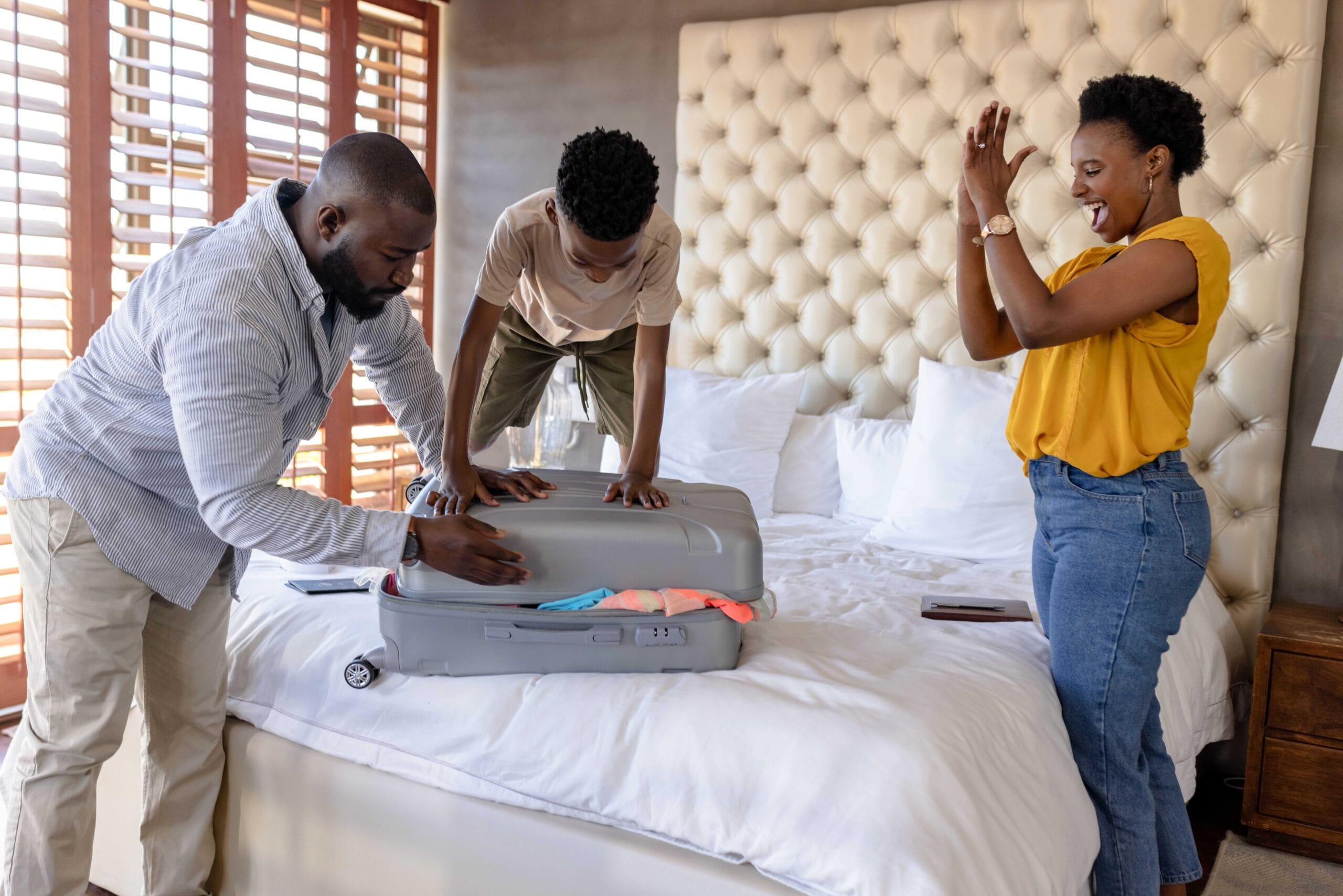
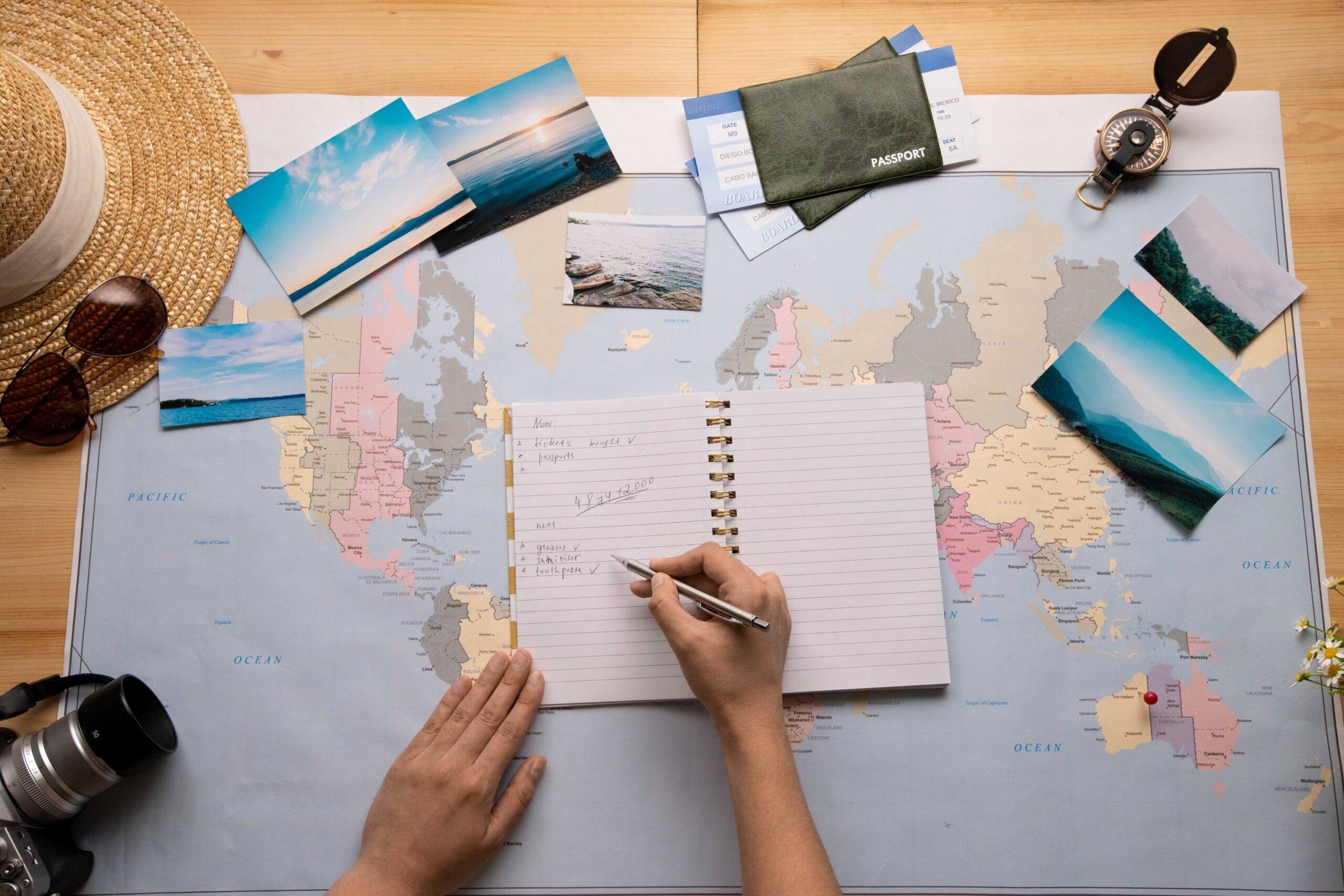
South African travellers are not short on ambition when it comes to their holidays. 67% travelled for nature last year, 66% for connection with a partner or family, and 65% to recharge and banish burnout, according to Flight Centre South Africa’s Year in Travel 2025 report. Three distinct motivations – and a single-experience holiday rarely satisfies all three simultaneously.
The same report shows that the average hotel stay was just four nights, a detail that speaks to how purposefully South Africans are travelling. Not staying longer in one place than they need to, and not willing to spend precious time away on an experience that only delivers part of what they came for.
This is the driving force behind one of the most significant shifts in South African travel behaviour: the rise of the combination holiday.
“The combination holiday is the structural answer to a problem South Africans have been solving informally for years, and the travel industry is finally building the infrastructure to match it,” says Antoinette Turner, General Manager, Flight Centre South Africa.
“South African travellers are increasingly clear about what they want from their time away: nature and luxury, culture and rest, adventure and connection. The combo holiday is the only format that actually delivers on all of those things at once,” she adds.
The industry catches up: Club Med South Africa Beach and Safari
The most visible sign yet that the hospitality industry has caught up with what Saffas have been asking for opens on the KwaZulu-Natal North Coast in July 2026.
Club Med South Africa Beach and Safari is unlike anything in Club Med’s global portfolio. A R2 billion investment anchoring 486 keys, a 500-seat convention centre, and an 18,000-hectare Big 5 game reserve with its own safari lodge – it’s the first Club Med in the world to combine beach and bush in a single guest journey.
What Club Med Beach and Safari represents, beyond its own considerable scale, is an industry acknowledgment that the combination holiday has arrived in earnest. The beach-and-safari experience that travellers (South African and international alike), have been piecing together across separate bookings for decades is now available in a single, seamlessly designed product. That is not a small thing, regardless of where you sit on the budget spectrum.
The combinations that deliver
Club Med Beach and Safari is the most dramatic example, but it’s far from the only one. Here are the four other popular combination types delivering the most complete travel experiences in 2026.
Beach and safari
Africa’s greatest travel pairing has historically required two separate trips or very careful logistical choreography. Beyond Club Med Beach and Safari, the combos that work best for South Africans include:
- Mozambique’s Bazaruto Archipelago paired with a Kruger or Madikwe extension: Warm Indian Ocean water and extraordinary marine biodiversity followed by the best game viewing on the continent.
- Kenya’s Diani Beach and the Masai Mara: Offering the same pairing, just a little bit further afield in East Africa.
- Zanzibar and a Tanzania safari: Pristine beaches and then the Serengeti (or vice versa) – plus a touch of culture and history thrown in thanks to Stone Town, too.
City and coast
The argument for this combo is psychological as much as geographical. A city break provides cultural stimulation and the sense of being fully alive in a place, but it rarely delivers the decompression that South African travellers are seeking. The coast provides that decompression, but it can feel passive without the stimulation of a great city. Together, they create a trip that satisfies both the curious and the exhausted.
- Singapore and Bali is the classic for South Africans heading east.
- Cape Town domestically.
- Lisbon and the Algarve for Europe.
Cruise and destination
The number one reason people choose to cruise is the ability to visit multiple destinations. Additionally, ocean cruising is rated the highest-satisfaction holiday type of any category surveyed, above all-inclusive resorts, resort packages, and land-based alternatives, according to the Cruise Lines International Association’s (CLIA) State of the Cruise Industry Report 2025. Globally, 34.6 million people cruised in 2024, a 9.3% increase on 2023, and CLIA forecasts 42 million passengers by 2028.
In South Africa, Flight Centre’s own Year in Travel 2025 data shows that 69% of South Africans are considering a cruise holiday. A remarkable figure that reflects both the growing awareness of what cruising offers and the particular appeal of its combination-holiday structure:
- A Mediterranean cruise paired with a few days in Rome or Barcelona before embarkation.
- An East African coastal cruise followed by a Zanzibar beach stay.
- A Cape Town to Durban coastal sailing with stops along the Garden Route.
The cruise provides the variety and ease, while the land experience (before or after) provides the depth and the sense of place that makes the whole trip that much more memorable.
Turner speaks passionately about how the cruise conversation has completely changed in South Africa:
“Cruising used to be seen as something for retirees, but we’re now seeing families, couples, solo travellers, and young travellers discovering that a cruise is actually the most efficient way to have a combination holiday and explore multiple destinations in a single trip. It’s also the most naturally multi-generational holiday format available. 28% of cruise travellers globally sail with three to five generations, making it a particularly compelling option for South African families.”
Bleisure
The fourth combination is the one most South Africans are already taking without calling it by name. Flight Centre’s Global PR Survey found that nearly two in three working South African travel intenders have combined or intend to combine business and leisure travel in the future, and South Africans lead every other market surveyed in having already made the leap, with 36% confirming they’ve done so.
- A business trip to London extended into a Cotswolds weekend.
- A conference in Singapore followed by four days in Bali.
- A corporate event in Nairobi with a Masai Mara add-on.
Ultimately, South African travellers are unwilling to settle for a trip that delivers only one thing when the opportunity to deliver more is right there.
Why combination holidays are more difficult to plan than they seem
The appeal of the combination holiday is obvious. The execution is less so.
Multi-component itineraries are more complex to plan, more dependent on correct sequencing and timing, and more exposed to disruption when one element fails. In the current travel environment, where routing options are shifting and flexibility in bookings matters more than it has in years, the combination holiday is also the format where the gap between a well-planned trip and a stressful one is widest.
This is precisely where expert guidance delivers its most tangible return. Flight Centre’s Global PR Survey found that 97% of South African travel intenders see value in using a travel agent. The reasons they give are telling: peace of mind if things change or go wrong at 62% and assistance with complex or multi-destination itineraries at 54%.
The CLIA data makes the same point from a different angle: 79% of cruise travellers say travel agents have a meaningful impact on their decision to cruise, and Net Promoter Scores, the standard measure of customer satisfaction, are consistently higher among cruise travellers who book through a professional travel advisor than those who book independently. Satisfaction, it turns out, is not just about the destination, but about how well the whole thing was put together.
The future of Saffa travel
Rather than becoming more demanding, South African travellers are becoming more deliberate.
“The combo holiday is the expression of that intentionality, and the travel industry, from Club Med’s extraordinary KZN opening to the global cruise boom now reaching South African shores, is finally building the experiences to match it. We look forward to seeing what’s next!” Turner concludes.