Zambia is on track to host a total of 15 global events in 2026, including the African Marketing Confederation Conference and the Africa Supply Chain Conference – a figure that reflects a deliberate, structured push to position the country as a serious business events destination. The leisure reputation remains, but Zambia is no longer content to let it be the only one.
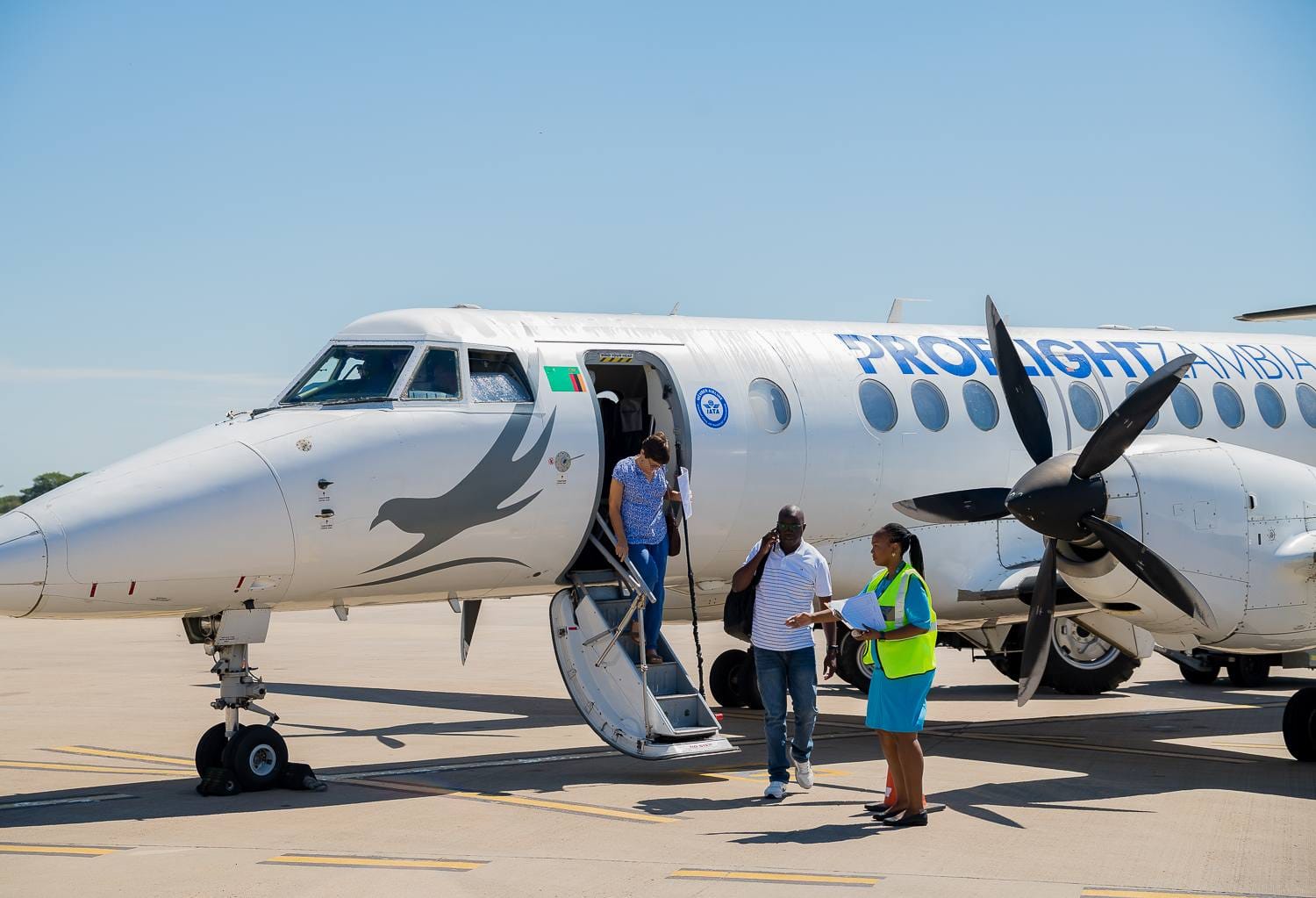
Importantly, getting delegates there is no longer the logistical question it once was. Proflight Zambia, the country’s largest airline, operates scheduled services connecting Johannesburg and Cape Town directly to both Lusaka and Livingstone, and has opened various new regional routes in the past few years, including to Maun and Windhoek, removing one of the historic objections to Zambia as a conference destination before the conversation even begins.
But to understand why Zambia’s MICE (Meetings Incentives Conferences Events) moment is happening now, you need to understand what’s happening across the continent…
The market making this possible
Africa’s MICE sector is in the middle of a growth cycle that is outpacing every other region globally. Valued at $16.6 billion in 2023, the market is projected to reach $65.6 billion by 2032, a compound annual growth rate (CAGR) of approximately 17%, according to Business Traveller. Furthermore, business tourism demand across the continent is up roughly 40%, and more than 48% of multinational companies operating in the region have increased their event-related spending.
The incentive travel segment is growing the fastest of all, at 17.2% CAGR, and this is where Zambia’s geography becomes a notable competitive asset. Rather than looking for another hotel ballroom, incentive buyers are looking for transformative experiences that a top-performing sales team will still be talking about two years later. Victoria Falls, the Zambezi River, South Luangwa National Park, Lower Zambezi National Park – these are not consolation prizes for delegates who couldn’t get a room in Cape Town. They are, increasingly, the point.
But a booming market does not distribute itself evenly, and the race to capture Africa’s MICE windfall is already well underway.
The competitive landscape is shifting
For years, Africa’s MICE map has been drawn around a small number of established centres. South Africa leads the continent with 115 international association meetings recorded in ICCA’s Globewatch 2025 data, with Cape Town, Marrakech, and Kigali the only African cities to regularly feature in the global top 100 MICE destinations.
But the race for the next tier of African MICE destinations is wide open. Nairobi, Addis Ababa, Accra, and Lusaka are all being actively positioned. South Africa’s National Convention Bureau is pushing planners beyond Cape Town; Johannesburg, Durban, Stellenbosch, and Tshwane are all building their pipelines.
The distribution of Africa’s MICE boom is not yet settled. Destinations that move now, with the right infrastructure and the right connectivity, will capture disproportionate share. Those that wait will find the ground already taken.
Zambia has read the room, and it is building accordingly.
Zambia is building
The Livingstone/Victoria Falls corridor is being actively repositioned as a year-round business events destination – a deliberate diversification away from seasonal safari dependency that reflects both commercial pragmatism and growing international demand. The Zambia Tourism Expo, ZATEX 2026, ran in June at the Mulungushi International Conference Centre in Lusaka, drawing international buyers and trade partners to assess the country’s offer firsthand.
Behind the scenes, the professionalisation of Zambia’s hospitality sector is accelerating. The recent launch of a Hotel Managers Registration Council demonstrates that the country is aligning its standards with what international MICE organisers require before they will commit a conference bid.
The strategic opportunity now is to convert Zambia’s leisure familiarity into conference and incentive bookings. The destination sell is largely done. What has historically been missing is the infrastructure confidence – the certainty that delegates can get there reliably.
Connectivity is the unlock
MICE destinations are made or broken by airlift. A destination can have world-class venues, compelling experiences, and competitive pricing, and still lose conference bids because planners can’t guarantee their delegates a reliable route in and out.
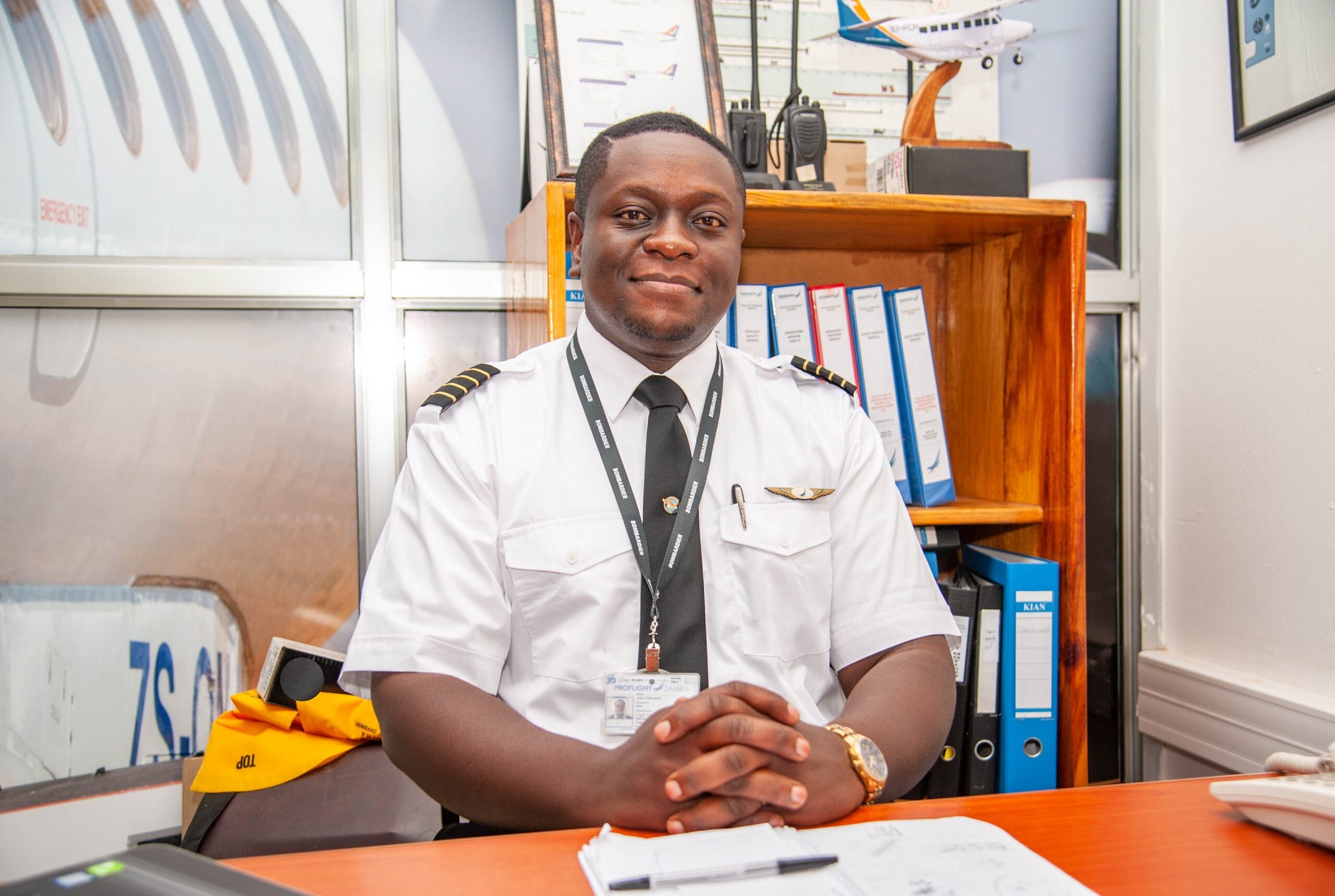
“Regional carriers like Proflight Zambia now operate scheduled services connecting Johannesburg and Cape Town directly to both Lusaka and Livingstone, with routes to Windhoek and Maun further extending Zambia’s regional connectivity. For a South African corporate travel manager who last assessed Zambia’s accessibility several years ago, the current network would look significantly different to the one they remember,” says Captain Josias Walubita, Proflight Zambia’s Director of Flight Operations.
“Air access is one of the most powerful enablers of tourism and business events growth,” he added – a position that aligns with the broader direction of Zambia’s Airlift Zambia Initiative, a strategic programme aimed at strengthening connectivity and attracting new international carriers to the country.
The initiative’s ambitions received significant external validation in June, with the announcement that Zambia will host AviaDev Africa 2027 – the continent’s leading air service development conference – with Zambia Airports Corporation confirmed as official host partner. Previous editions have been held in Windhoek, Zanzibar, and Botswana. Zambia’s selection reflects a growing consensus among airlines and aviation decision-makers that the country’s connectivity story is one worth investing in.
The window is now
Africa’s MICE boom will not wait. The destinations capturing share in 2026 and 2027 are the ones that will define the continent’s business events landscape for the decade that follows.
“Zambia has the venues, the experiences, the government backing, and, increasingly, the air access to compete seriously for that share,” concludes Walubita.
The question for South African corporates and conference planners is simple: how much longer will you keep booking the same rooms in the same cities, when one of Africa’s most extraordinary destinations is now reliably within reach?
Zambia is ready, and the flights are there. The only thing missing is your delegates.