Queues of up to five hours at Europe’s new biometric border checks have South Africans asking questions. FCM explains what it means for your next business trip, and why the most important preparation happens before you leave.
Europe’s border rules have shifted again. On 14 September, nine European countries were told they could keep easing the EU’s new biometric border checks, a week after the grace period was meant to end. It follows months of long queues at some of Europe’s busiest airports.
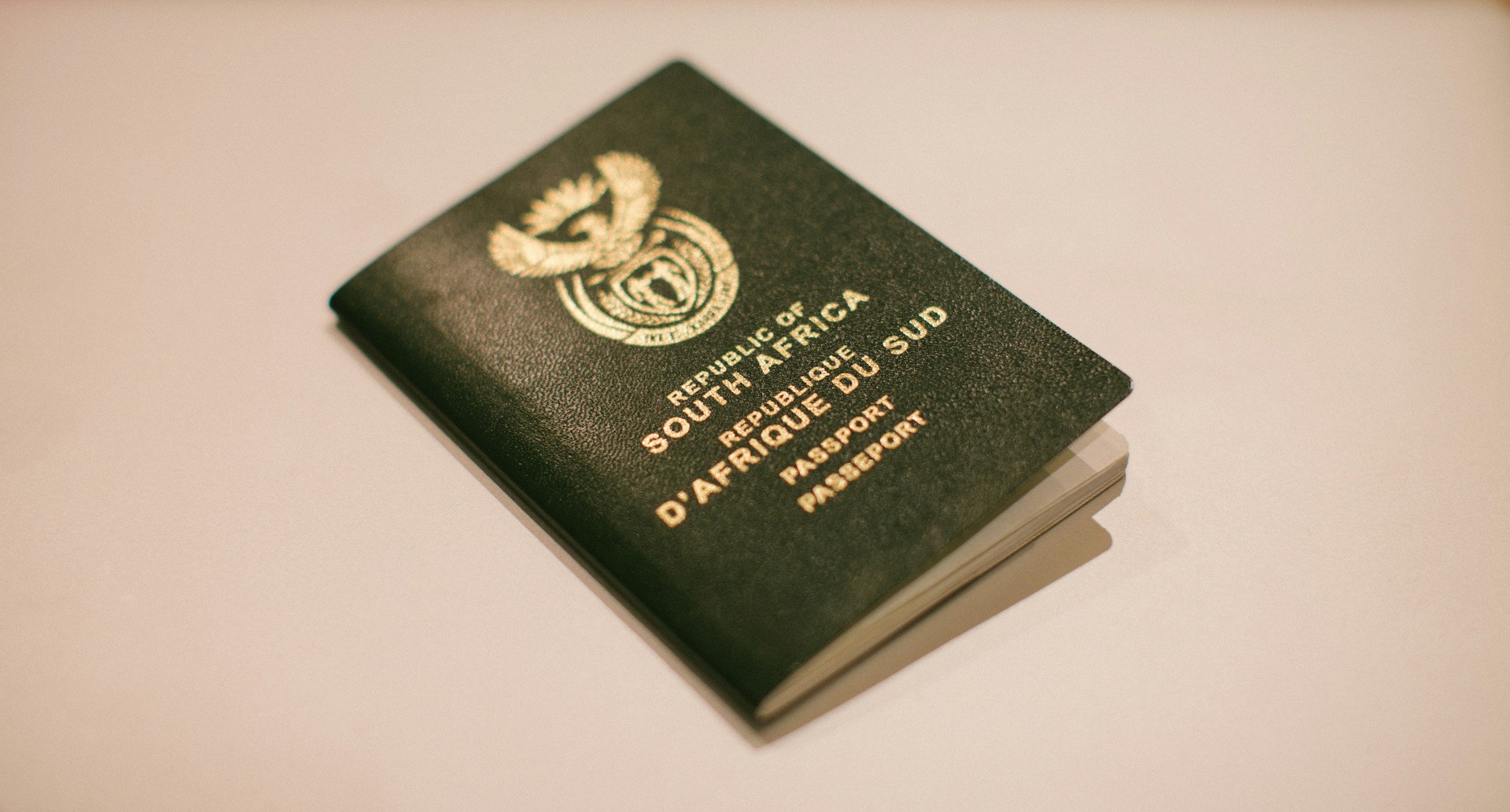
For South African passport holders, the border has never been simple: visa applications, supporting documents and paperwork are part of almost every long-haul trip. What’s new is how quickly the rules are moving, and how easily a traveller can arrive at the airport with last month’s information.
Europe: new checks, patchy enforcement
The EU’s Entry/Exit System (EES) went live on 12 October 2025, replacing the passport stamp with a digital record of every non-EU short-stay traveller’s entries and exits. On their first visit, travellers register their fingerprints, a facial image and passport details at the border. South Africans are included, even if they already hold a valid Schengen visa.
The rollout has been rocky. According to Airports Council International, waits at some European airports reached up to five hours in July, with Lisbon, Milan, Rome and Krakow amongst the worst affected. Faulty kiosks, staff shortages and issues with biometric registration were blamed.
The emergency rules that let countries pause the checks at busy times were due to end on 6 September. Instead, France, Germany, Italy, Belgium, the Netherlands, Greece, Malta, Portugal and Switzerland have been given informal approval to keep using them, with no new deadline set. France says it will do so until the end of the year. The result is a patchwork: the experience at one airport, or in one month, may be quite different from the next.
Sinenhlanhla Mthembu, Senior Account Manager at FCM, says that fortunately none of her clients have yet missed a connection or had a trip seriously disrupted by the new checks, partly because corporate itineraries already tend to allow extra time. “There is often a preference for more conservative connection times, particularly when the journey involves immigration or a transfer through a major European hub,” she explains.
Closing the awareness gap
Travel readiness depends heavily on the traveller. Some clients are behind, while others are well ahead: one company whose staff travel regularly to Geneva asked Mthembu to brief them extensively on what EES means in practice. “There is still a strong preference amongst corporate travel programmes to use their TMC as a trusted source to interpret these changes and translate them into practical travel advice,” she says.
Outside dedicated travel teams, awareness is lower. “Realistically, most corporate clients are not asking proactively before booking,” says Za Nkosi, FCM Operations Manager. Questions tend to come just before departure, when a traveller sees a news report and asks their booker, “Do I need to do anything different at the airport?”, or after something has gone wrong, “when someone’s had a long queue or missed a connection and wants to know why nobody warned them.”
This is where a travel management company earns its place: flagging changes before travellers think to ask, and listing the current entry requirements with each booking. The aim is not to steer travellers away from particular airports, but to build flexibility into the itinerary. “A missed connection can have a knock-on effect on meetings, accommodation and the wider trip schedule,” says Mthembu.
Closer to home
The rules are changing in South Africa too. Since 1 July 2026, everyone entering or leaving the country, residents included, has been required to complete an online traveller declaration through the South African Traveller Management System (SATMS), via the SARS portal, the mobile app or a QR code. SARS encourages travellers to submit it before they reach the airport, although no one will be turned away for not having done so. South Africa has also launched an Electronic Travel Authorisation (ETA) for inbound visitors, which matters for companies hosting international colleagues or clients.
In Kenya, a mandatory health insurance requirement for foreign visitors was introduced, then suspended by the High Court while the case is heard. “For a corporate traveller, the practical lesson is that even when a requirement appears settled, its status can change,” says Mthembu.
Make the check routine
“We need to communicate proactively with travellers before departure rather than waiting for them to ask, and treat border processing time as a variable to plan around,” says Nkosi.
Mthembu recommends a simple “before I travel” check for every trip, whether a traveller flies four times a month or once a year. Before confirming, check three things: what documents or authorisations are needed, whether there are health or entry requirements, and whether the itinerary allows enough time for connections and border processing. Length of stay matters too, as some destinations apply different rules depending on the duration or purpose of the visit.
“The key is not to make travel preparation complicated,” she says. “A few minutes spent checking the current requirements before departure can prevent a much bigger problem at check-in, at the border or during the journey.”