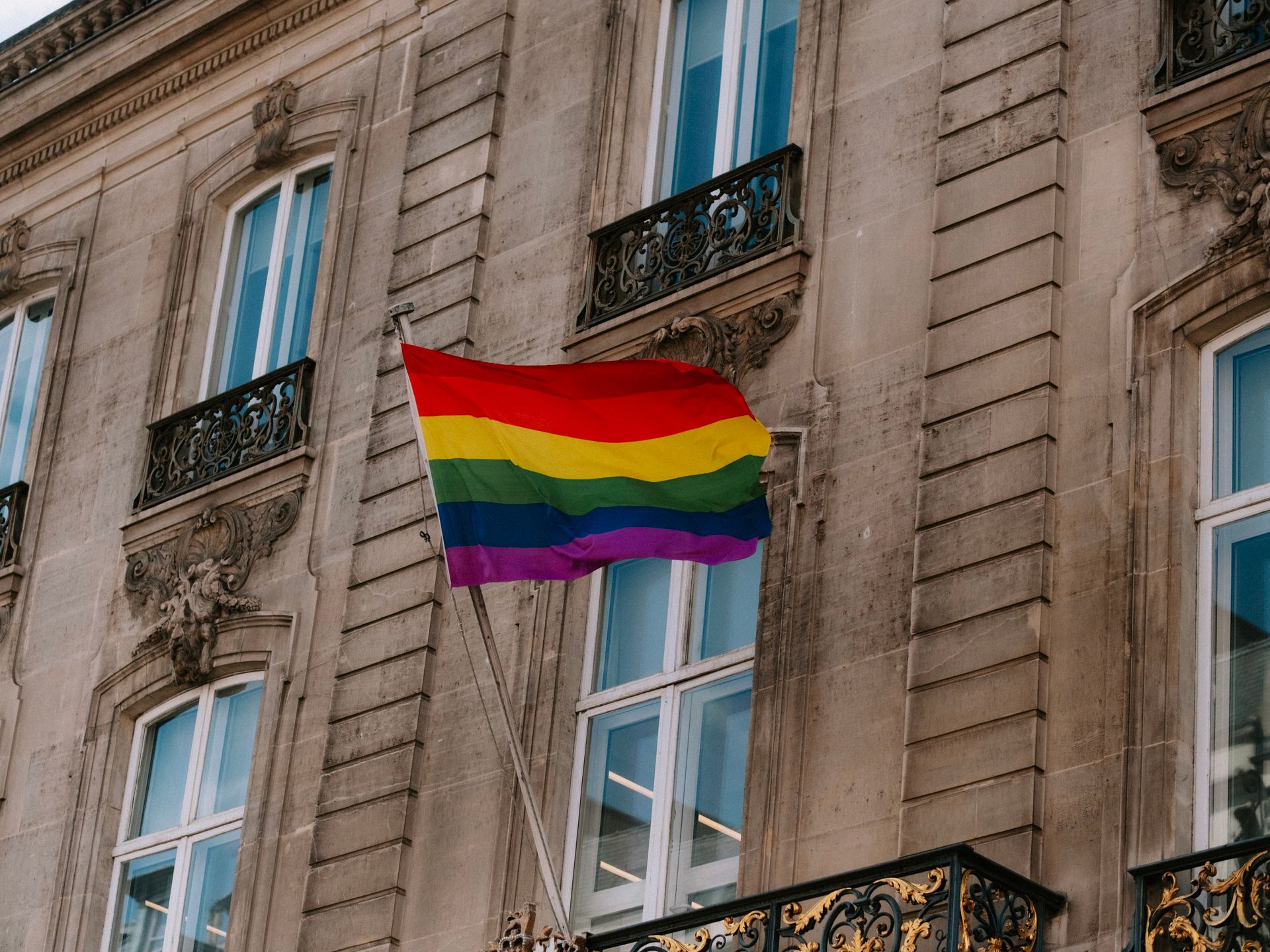
As Johannesburg Pride moves through the Sandton CBD, multinationals with global teams should check whether their travel policy protects every employee they send abroad.
First held in 1990, Johannesburg Pride is the oldest and largest LGBTQ+ pride celebration on the continent, taking place in a country whose Constitution protects against discrimination based on sexual orientation.
Unfortunately, those protections end at the departure gate. For multinationals that send people across borders, that means their travel policies and duty of care need to travel well too. As Mummy Mafojane, GM at FCM Travel South Africa, explains, an employee who is comfortable being out at work in Johannesburg or Cape Town may need different guidance before a trip to West Africa, the Gulf or parts of Asia.
“Unfortunately, some travel policies and risk programmes are still built with one kind of traveller in mind,” says Mafojane. “They assess the destination well enough, but they don’t always account for who is making the trip and what that person might face when they land.”
An evolving landscape
In 2025, the number of countries criminalising consensual same-sex relationships rose for the first time in almost a decade, to 65, according to the ILGA World Database. The increase was driven by a new law in Burkina Faso and a court ruling in Trinidad and Tobago that reversed decriminalisation.
Several African countries, including Senegal and Uganda, have targeted LGBTQ+ rights in recent years. In May 2026, for example, Ghana’s parliament passed a bill that criminalises identifying as LGBTQ+, introduces prison terms for promoting or supporting LGBTQ+ rights and creates a duty to report. In Central Asia, Kazakhstan banned so-called LGBT propaganda at the end of 2025, even though same-sex relationships are legal there.
For transgender and non-binary travellers, the changes in the US are about documents. New passports are issued only with an ‘M’ or ‘F’ marker matching sex at birth, and airline passenger data systems now reject anything else. Existing passports with a gender-neutral ‘X’ marker remain valid, but travellers should expect questions at check-in and at the border.
“The legal picture changes quickly, and it is rarely black and white,” says Mafojane. “In one country, same-sex relationships can be legal on paper and still unsafe in practice, while another has laws that are seldom enforced. You need to ensure your information is current, and flagged at the point of booking, so travel managers aren’t relying on what was true two years ago.”
Duty of care that fits the person
Duty of care has traditionally been built around the destination, but the same trip can carry a very different risk profile for different people.
The complication is privacy. Employers can’t (and shouldn’t) ask who their LGBTQ+ employees are, and many people prefer to keep that to themselves. The answer is to make LGBTQ+ destination briefings part of the standard pre-trip information every traveller receives, so nobody has to out themselves to get it.
“Good duty of care information reaches every traveller without anyone having to ask for it,” says Mafojane. “And when someone does need help, they should know exactly who to call, at any hour, and trust that the conversation remains confidential.”
What an inclusive travel policy looks like
Mafojane suggests a few practical updates:
- The right to decline travel to a high-risk destination without career consequences, along with alternatives such as a virtual meeting or sending a colleague instead.
- Confidential, personalised pre-trip risk assessments, so employees can raise concerns without having to disclose their sexual orientation or gender identity.
- Gender-neutral language, with “partner” in place of “spouse”, and clear rules on partners accompanying travellers or being named as emergency contacts. Some countries won’t recognise a same-sex partner as next of kin.
- Traveller profiles that match travel documents exactly, stored with strict access controls.
- Pre-trip digital safety guidance for every traveller, covering dating apps, social media and device checks at borders in countries with “promotion” or “propaganda” laws.
- Approved accommodation that is vetted for a welcoming environment and a secure location.
- Approved ground transport, such as trusted shuttle services.
- A confidential support line to HR or a travel risk manager, so travellers in hostile environments don’t have to turn to local police first.
- Up-to-date contact details for the traveller’s embassy or consulate.
- Clear contingency and evacuation plans for staff facing legal threats or harassment abroad (including comprehensive insurance cover).
Incentives and events
The same thinking applies to conferences and incentives. An inclusive organisation shouldn’t host an event where some delegates face legal risk for attending. Pride branding also needs care, as a rainbow logo or supportive social post celebrated at home could expose staff in markets with laws against promoting LGBTQ+ rights. For employees based in those countries, that exposure lasts well beyond a business trip.
Inclusion is a talent issue
The way a company handles travel influences how its people see it as an employer. Booking.com’s 2026 Travel Proud research, which surveyed more than 13,300 LGBTQ+ travellers across 19 countries, found that 45% have hidden their identity on a business trip for safety reasons, and 42% have turned down a lucrative business opportunity because of safety concerns or a lack of employer support. The effect reaches recruitment too. According to the data, 44% have turned down or avoided applying for jobs at companies without clear LGBTQ+ travel protections, and 58% say those protections would influence their decision to work for a company.
Travel policies need to measure up. Business Travel Show Europe’s 2026 survey of corporate travel buyers and managers found that only 20% of organisations have policies in place for LGBTQ+ travellers, down from 22% in 2025.
“Pride Month is a good moment to look at your travel policy with fresh eyes,” says Mafojane. “Ask whether it protects every traveller you send, and whether every traveller knows it does. If not, the fix is straightforward, and the right travel management partner can help.”