As businesses finalise next year’s budgets, the smarter question is not whether to attend events, but which ones will put the right buyers, suppliers and decision-makers in front of you.
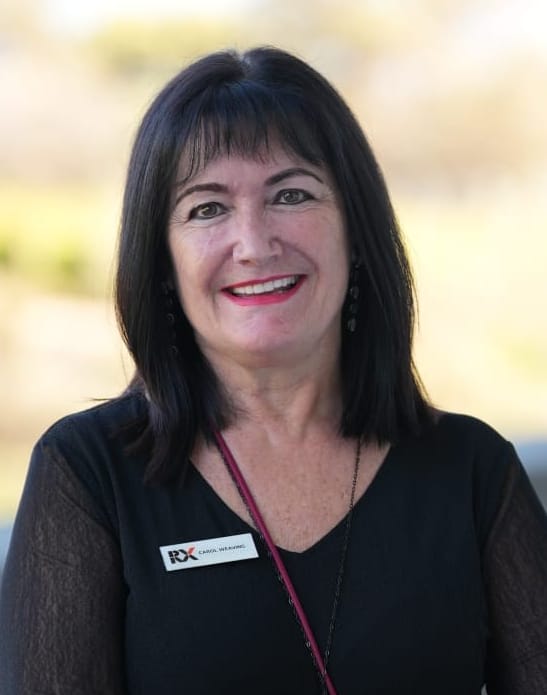
By Carol Weaving, Managing Director, RX Africa
The final quarter of 2026 is when 2027 takes shape on paper. Marketing and sales teams across the continent are defending line items, trimming what didn’t deliver and looking for the spend that will work hardest next year.
It is tempting to treat live events as the easy cut when budgets tighten, since online outreach appears cheaper and easier to scale. But anyone who has relied on digital channels alone to chase prospects this year knows how long it takes.
We are operating inside an online communications environment that has fundamentally changed. AI has industrialised content production, flooding inboxes with messages that are too polished to ignore and too numerous to process. Genuine outreach gets filtered out alongside the automated kind, because recipients can no longer tell the difference and many have stopped trying.
Digital still matters; it just works best when it’s not working alone. The advantage now goes to whoever can establish credibility before algorithm fatigue makes that impossible. Increasingly, that happens when online engagement is combined with face-to-face contact, at events where the people you want to meet are easier to reach and more open to your approach because you are there.
A shortcut to market access
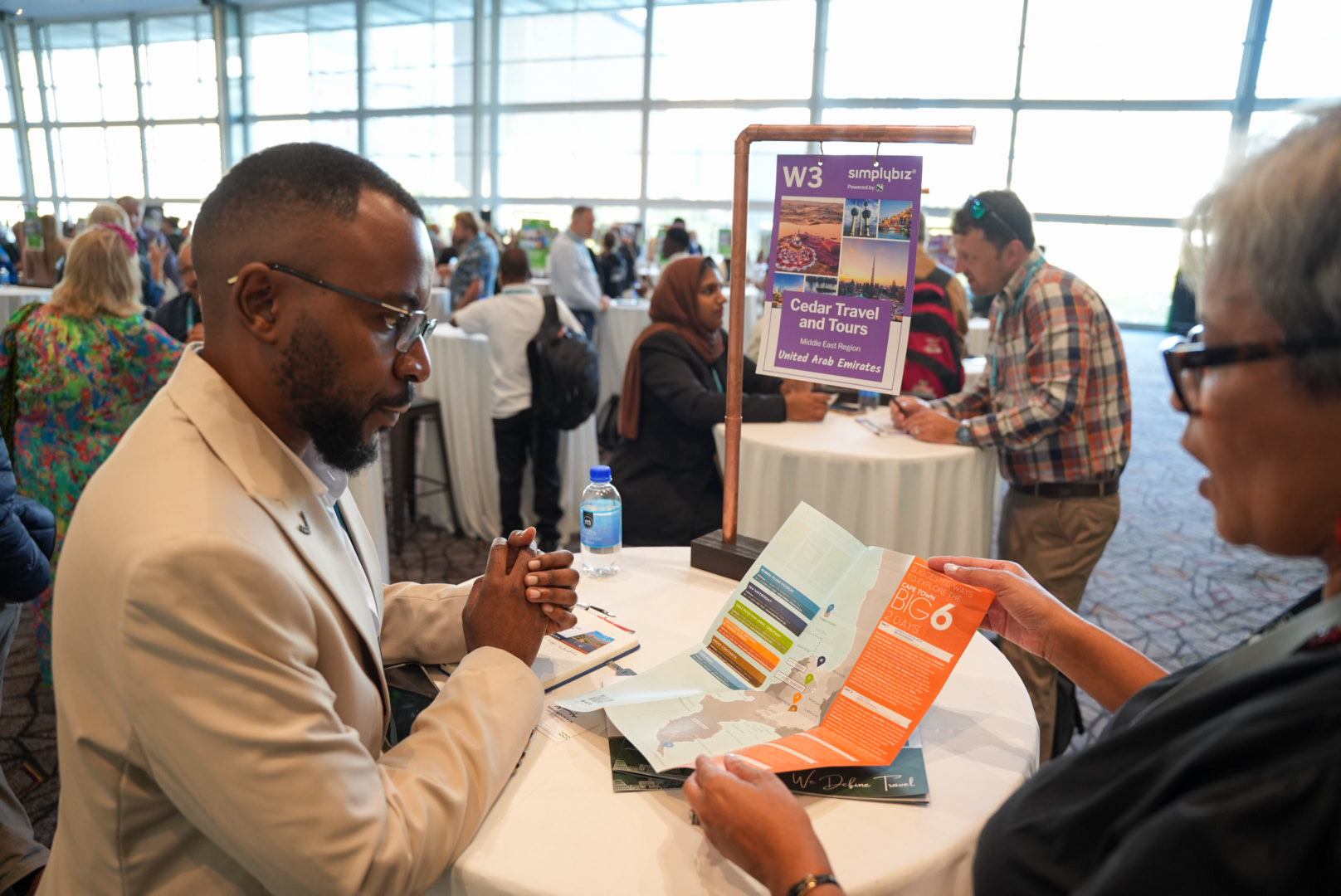
The strongest case for live events is access. A well-chosen, established exhibition compresses months of prospecting into a few days, with buyers, suppliers, distributors and partners all in one place to do business. Instead of relying on online channels alone to get noticed, you can meet a buyer, understand their needs and agree on the next steps in a single conversation.
This matters most for smaller businesses. Around 70% of RX exhibitors are SMEs, attending precisely because direct access to decision-makers is otherwise difficult and slow. UFI’s 2026 Global Exhibition Industry Statistics show that Africa’s exhibition industry attracts around 2.1 million visitors and 45,000 exhibiting companies annually, generating an estimated €1.3 billion in economic output and supporting more than 21,000 jobs. Those figures capture scale, but not what happens in the spaces between stands. The scheduled meetings and corridor conversations are where commercial relationships are actually forged.
When someone can see how you think in real time, watch you handle a difficult question and read how you respond to the unexpected, that is where trust forms, at a depth and speed that digital alone cannot replicate.
Live events remain the only platform that offers a true five-senses experience. Buyers can physically engage with stands, test a service and meet the people behind a brand, in a way no screen can fully reproduce. For a destination, a hotel or a luxury experience, that sensory proof is often what converts interest into business.
Planning for ROI, not attendance
Return on investment remains the defining question for trade shows. Businesses want to know that an event will connect them with quality buyers, genuine opportunities and new markets, not just footfall. But events don’t build trust automatically. Putting people in a room creates the conditions; what you do with those conditions determines the outcome. Five principles make the difference:
- Choose the right room. Start with who you need to meet, then find the event where they will be. Ask organisers how buyers are selected, which markets they represent, and what percentage returns year on year. At ILTM Africa, a high-end, invitation-only luxury trade show, every international buyer is vetted, and the programme is built around pre-scheduled one-to-one appointments. The room is curated before anyone walks through the door.
- Plan early. Early commitment secures better positioning and pricing, and creates the runway to research attendees, set up meetings and prepare your team properly. Deciding in February for a March event is not planning. It’s reacting.
- Set objectives you can measure. “Raise our profile” is not an objective. “Hold 30 qualified buyer meetings, generate 10 proposals and sign two new distribution partners within six months” is. Digital tools make this far easier to track: lead scanners help record who you met and how many contacts you made, giving you hard data to measure ROI. Clear targets make it possible to prove value when budgets are reviewed next year, and to improve your approach the year after.
- Make your stand work as hard as your diary. A stand is often a buyer’s first impression of your business. Design it around visitor flow, visual clarity and lead capture, not aesthetics alone. SMARTBUILD, a dedicated division of RX Africa, designs brand-aligned stands focused on sensory appeal and lead generation, helping turn footfall into measurable return.
- Let the meetings come to you. The best business events no longer leave connections to chance. Curated matchmaking and pre-scheduled appointments, arranged through digital platforms ahead of the show, mean you arrive with a diary already populated with the people you came to meet. What remains is preparation, genuine listening and following up within 48 hours.
At World Travel Market (WTM) Africa 2026, confirmed pre-scheduled appointments rose 35% year-on-year to 13,500, with 81% of hosted buyers and Buyers’ Club members new to the show. That is a signal that the network here is still expanding, not consolidating around familiar faces.
Make 2027 the year you plan it properly
Every rand will need to justify itself next year. That is precisely why live events deserve a deliberate place in the plan, not as a default, but as a considered allocation against a specific commercial objective.
The AI-content and communication wave has not made human connection less valuable. It has made it scarcer, and therefore more valuable. The businesses that understand this early will find themselves in rooms where trust is still built the original way: in person, in real time, supported by digital tools rather than replaced by them. As you plan for 2027, weigh what it costs to be in the right room with the right people for a day against continually knocking on a door that no one answers.