If you look closely at booking patterns over the last year, you’ll notice that the average length of a trip is starting to increase. For Flight Centre South Africa, the 2024/2025 holiday season saw the average trip length increase from 14,7 days to 16,2 days. And South Africa is not alone—their colleagues in Australia saw the average holiday jump from 10,5 days to 16,1!
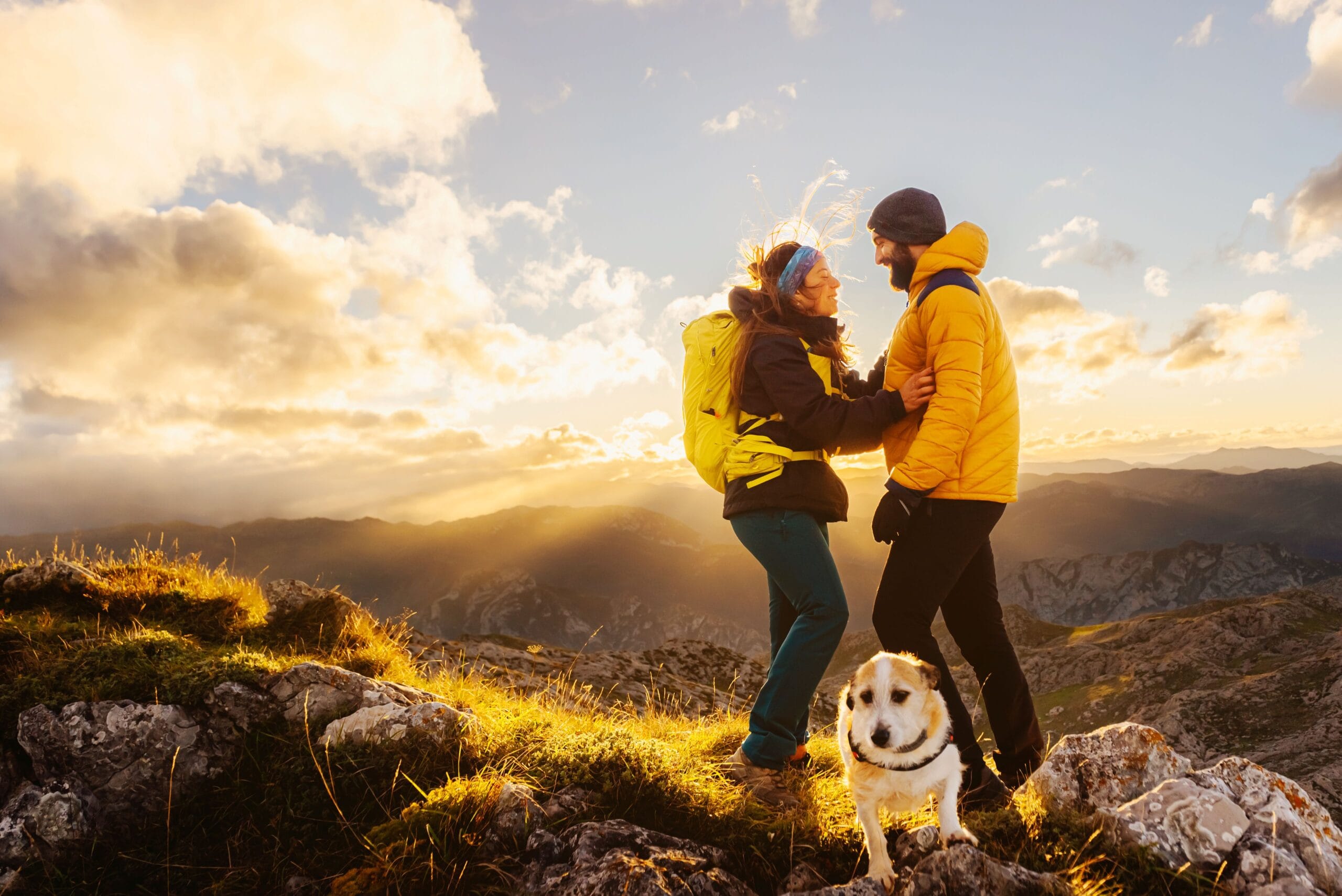
Importantly, it’s not just about longer holidays. Travellers are embracing a completely different way of experiencing destinations. Slow-paced itineraries are replacing whirlwind trips as more travellers make a conscious decision to do less but feel more, creating a deeper connection to places and people.
These longer, more immersive trips (aptly called ‘quietcations’) are fantastic for one’s stress levels and mental wellbeing, but there’s an added bonus: when travellers slow down, local communities thrive.
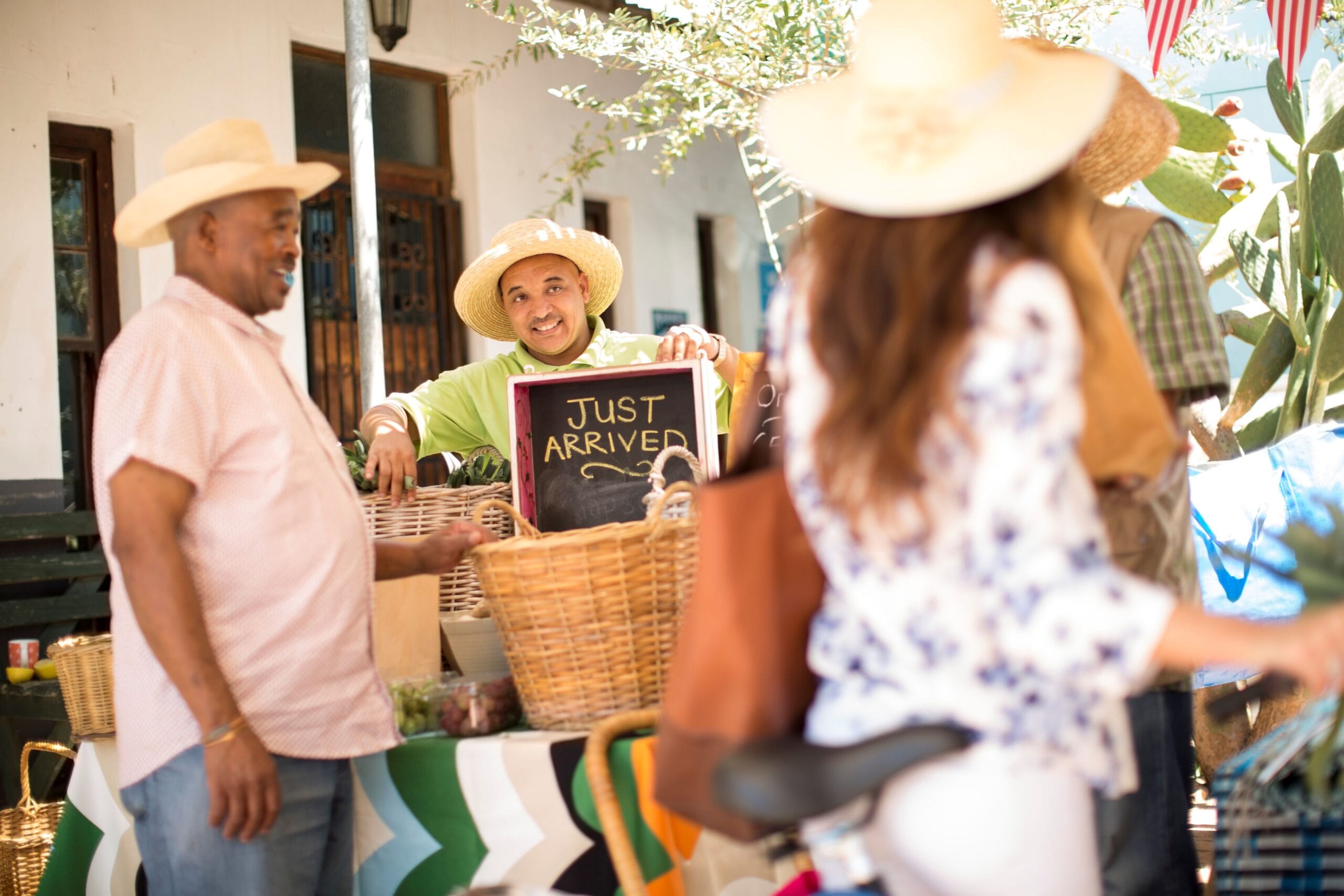
“By spending more time in one location, visitors naturally engage more with local businesses, restaurants, and cultural activities,” says Sue Garrett, Flight Centre’s General Manager Supply, Pricing & Marketing.
“In fact, a study by SKIFT shows that 67% of travellers value authenticity when choosing a destination. This has led to a boom in experiences like cooking classes and cultural workshops where travellers can get a deeper sense of place. Interestingly, it applies to group and multi-gen travel too, demonstrating how a ‘slower’ more mindful approach is being embraced across generations.”
There’s an environmental advantage too. A slower pace naturally lends itself to more environmentally conscious choices, from hiring bikes and selecting eco-friendly accommodations to supporting community initiatives.
As Garrett explains, the beauty of slow travel lies in its versatility. Whether it’s exploring the hidden corners of Sardinia or lacing up your boots for a walking holiday in the Scottish Highlands, the opportunities are endless—as long as you’re avoiding the tourist hotspots that are beginning to creak under the weight of their own popularity.
Her tips for making the most of slow travel? “Choose fewer destinations, and spend more time in one place, so you can relax and explore,” says Garrett. “Seek out local recommendations, engage with local communities and, most importantly, allow for unplanned days and spontaneous discoveries!”
For South African travellers, slow travel can also be budget friendly. “We know that South Africans are still spending money on travel, it remains a priority for them,” says Garrett. “But they are spending more carefully, looking for real value and transparency, and prioritising quality over quantity. By avoiding popular hotspots and working closely with a travel expert to design a customised itinerary in an unusual destination, slow travel can deliver a once-in-a-lifetime experience.”
As the slow travel movement takes hold, travellers are ditching checklists and returning to the fundamental purpose of travel: to discover, to learn, and to grow through authentic experiences and meaningful connections.
“One of the most exciting niches at the moment is river cruising,” says Garrett. “And by river cruising, I mean both luxury cruising on the Rhine, Danube, Mekong or Chobe—as well as a boating or barge holiday with family and friends.”
For travellers looking for a more relaxed, peaceful pace, river cruising offers a slow meander through beautiful scenery, allowing you to gaze out at the sights, step off when you choose, and experience the rhythm of life along different rivers around the world.
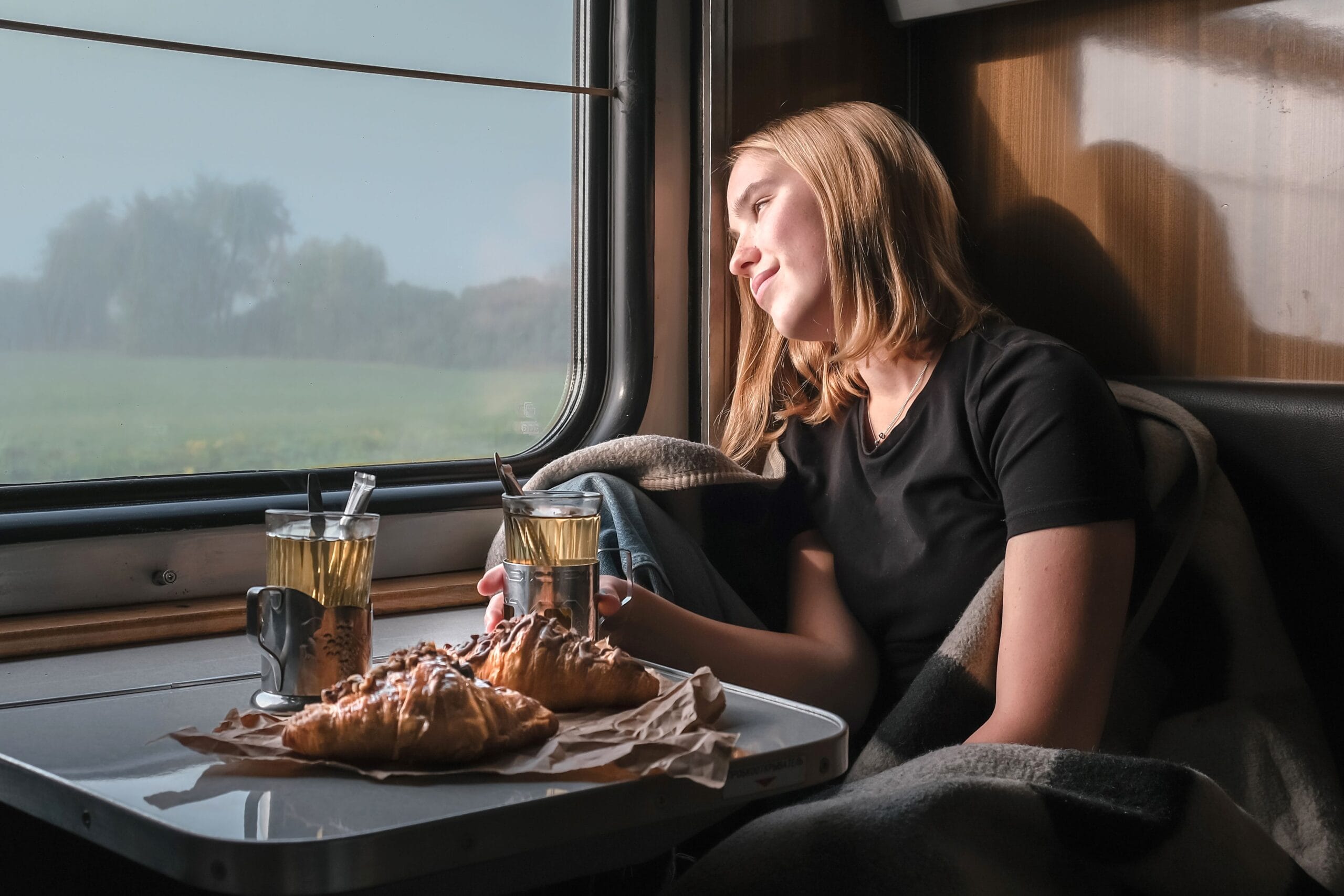
And other examples? Garrett says scenic train journeys (with many operators including cultural excursions that celebrate a region’s history or cuisine), star-gazing in the Kalahari (accompanied by powerful storytelling), a swimming, hiking or foodie holiday in Montenegro, or the chance to experience forest bathing or onsens (traditional hot springs) in Japan would be at the top of her list—especially if you build in time to explore, relax, reset and reconnect with people, place and planet.