South African travellers are the most socially inspired travellers on earth, according to Flight Centre’s global PR survey. Eight in ten say social media has motivated them to visit a destination – the highest proportion of any market surveyed. And yet the same research reveals that 86% of South African travel intenders prioritise slow and restful travel, again, the highest of any market globally: 67% travel primarily for nature and 65% travel explicitly to recharge and banish burnout.
These two things – being the most social-media-inspired travellers in the world and the most committed to slow, restorative, nature-led experiences – are not easily reconciled. Because the destinations that dominate travel feeds are almost never the ones that deliver restoration or genuine immersion in the natural world.
“When the goal of a trip is the content it produces, the experience becomes subordinate to its documentation. Instead of admiring the sunset or enjoying the local meal, you’re managing the shot. The holiday becomes a production, and productions are exhausting in ways that holidays simply shouldn’t be,” explains Antoinette Turner, General Manager of Flight Centre South Africa.
The broader cultural mood is shifting in response. The de-influencing movement, which began as a pushback against product promotion on TikTok and has since expanded into a more general scepticism about curated online lives, reflects a growing appetite for something simpler and more honest. Travellers are beginning to ask whether the destinations they’re being sold are destinations they actually want to visit, or simply destinations they want to tick off their travel bucket list.
The destinations that deliver, and rarely trend
The data suggests South African travellers have been living this distinction for a while already.
Just under half (49%) of South African travel intenders are most likely to travel during off-peak season – again, the highest proportion of any market Flight Centre surveyed. This is primarily a cost strategy, but it also demonstrates a preference for the destination as it actually is – instead of chasing the moment that everyone else is chasing, Saffas are looking for their own version of the place.
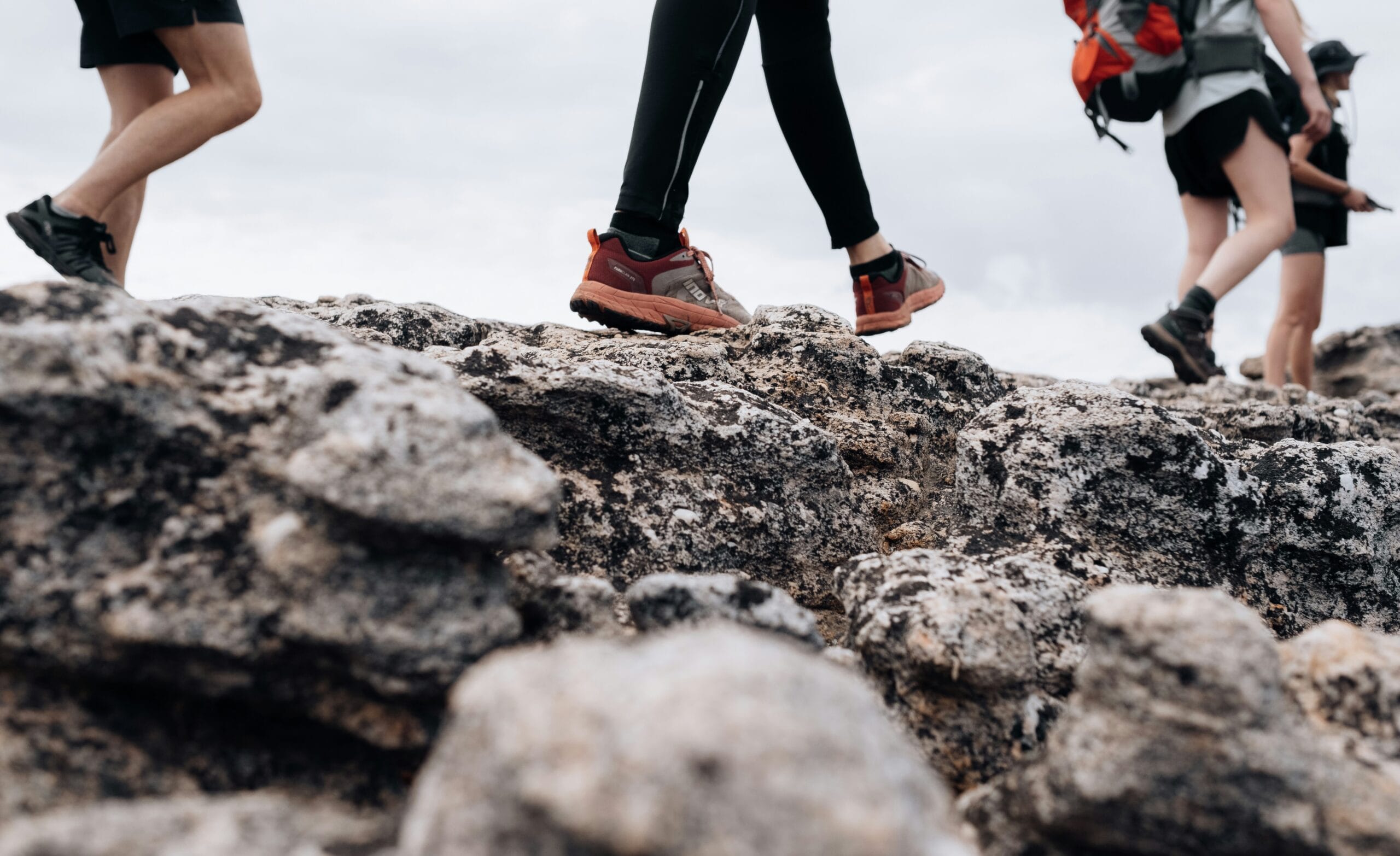
The slow travel preference reinforces this. 86% of Saffas prioritising restful, unhurried travel isn’t compatible with the pace that Instagrammable itineraries typically demand – the four-country European sprint or the city break that ticks every famous landmark before lunch. Slow travel is, by its nature, selective. You go deeper into fewer places rather than skimming the surface of many.
Here are a few destinations that fit the bill.
- The Cederberg Wilderness Area in the Western Cape is a critical component of the Cape Floral Kingdom and nurtures some of the world’s most elusive plant species, like the Snow Protea. The Sneeuberg peak, the highest in the range, and other isolated places within this area are the only places on earth where the rare snow protea survives. The area also holds a significant collection of San rock art, with some paintings dating back 8,000 years.
- The Wild Coast is another underrated destination. It lies within the Pondoland Centre of Endemism, a global biodiversity hotspot where half the coastline features indigenous forests harbouring previously unknown plant species, like rare cycads and yellowwoods. And if you’re looking for a unique experience, each winter, the world’s largest biomass migration, the Sardine Run, sweeps along the coast, drawing a feeding frenzy of dolphins, sharks, seals and seabirds.
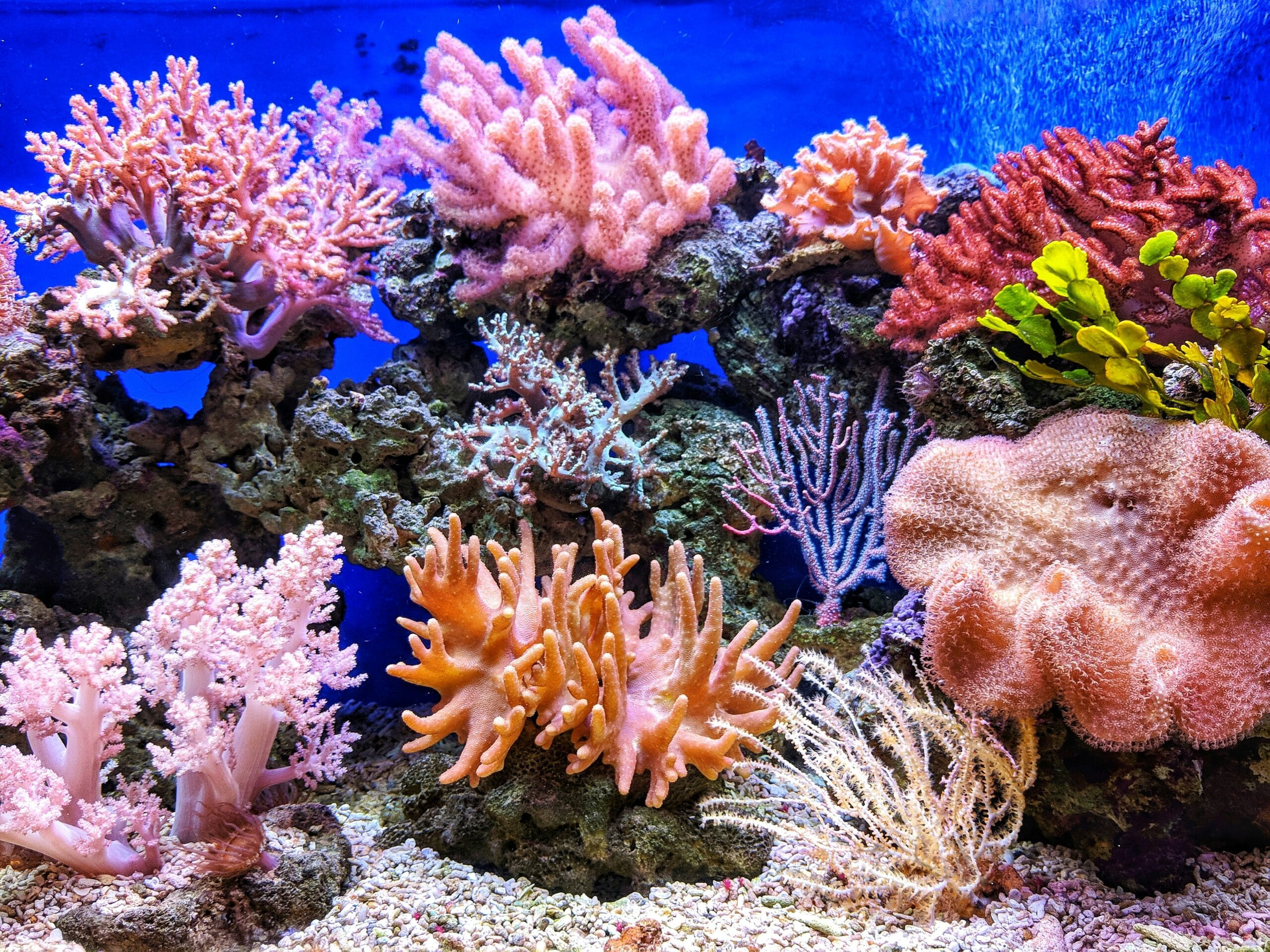
- Mozambique’s Quirimbas Archipelago sits at the northern extreme of the Mozambican coast, comprising around 32 islands from Pemba to near Tanzania – and it receives a fraction of the attention directed at Bazaruto, despite offering comparable marine biodiversity (including 52 coral species, 140 molluscs, and five different species of marine turtle). The diving is also world-class, with warm year-round temperatures, ranging from 25 to 29 °C.
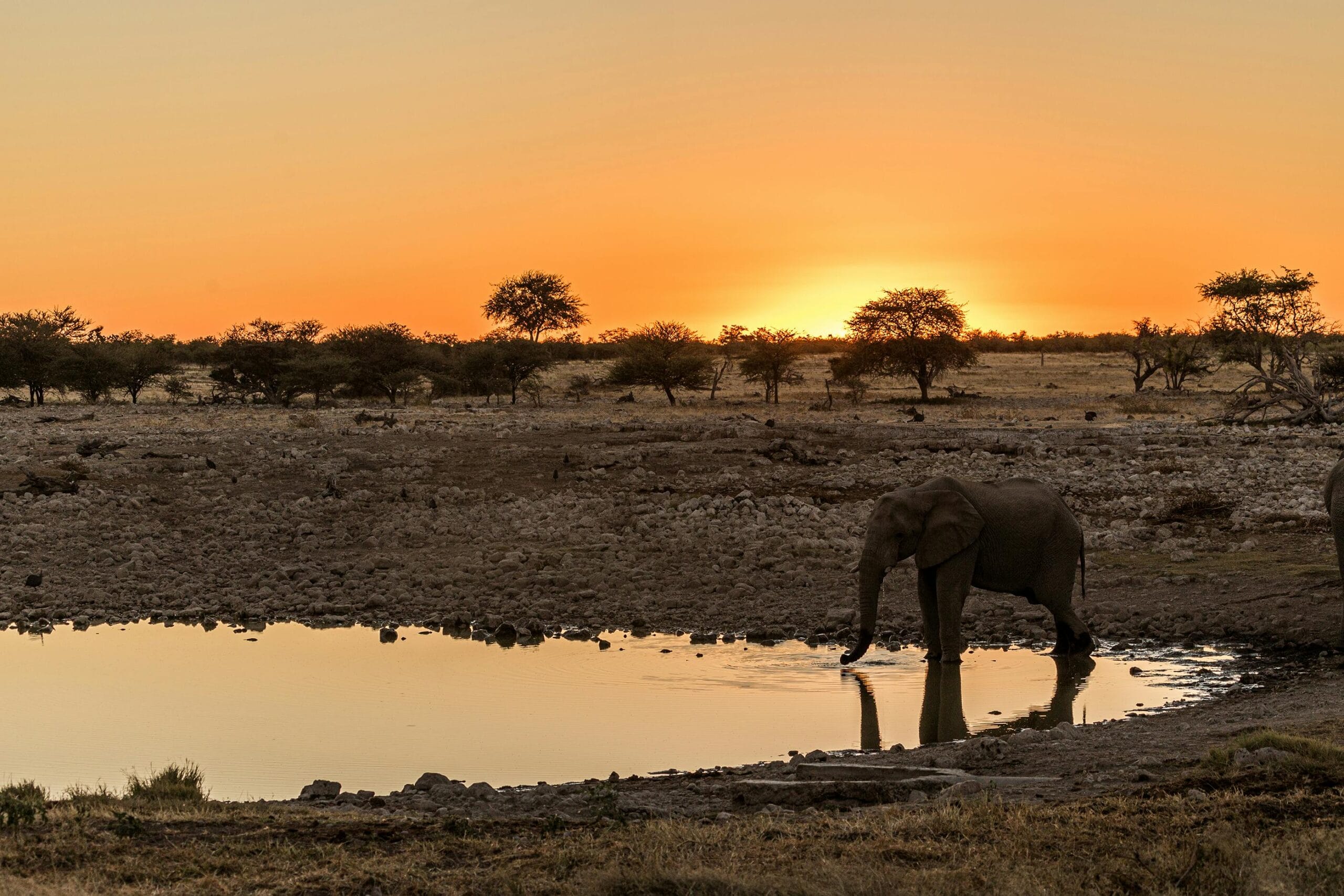
- Zambia’s Lower Zambezi National Park offers a safari experience that the more famous parks like Kruger or the Serengeti can rarely deliver: genuine remoteness. The park was established in 1983 after serving as Zambia’s presidential game reserve, which kept it protected from mass tourism. It sits along the southern bank of the Zambezi, with Zimbabwe’s Mana Pools across the water. Home to around 50 mammal species and 400 birds, it boasts one of Africa’s healthiest elephant populations, plus vast buffalo herds and even wild dogs.
“The best trips I’ve ever heard clients describe are almost never the ones that produced the best content. They’re the holidays where something unexpected happened, or where they slowed down enough to actually be somewhere rather than passing through it. A photograph can capture a place. It cannot capture what it feels like to be unhurried in it,” Turner concludes.