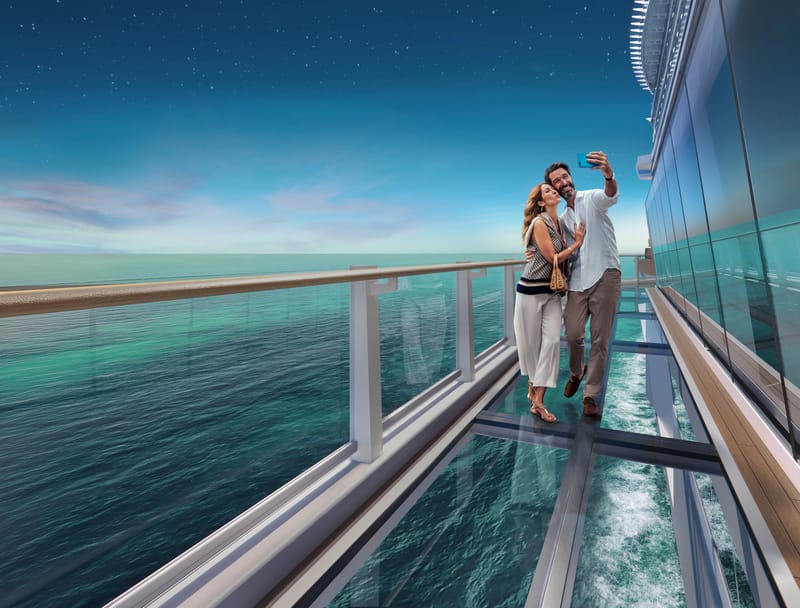
More than 39.5 million people are expected to cruise in 2026, and by 2028, that figure is forecast to reach 42 million. The climbing numbers come as no surprise, considering ocean cruising is now rated the highest of any holiday type for guest satisfaction – above all-inclusive resorts, hotel packages, and every other format that competes for the same traveller and the same budget.
These findings, courtesy of the Cruise Lines International Association (CLIA) State of the Industry Report, are striking enough on their own. What makes them even more striking is the gap between that reality and the perception that still lingers in many South African households: that cruising is rigid and designed for someone older and far less adventurous than we are.
The product generating those satisfaction scores looks almost nothing like that image. And the sooner South African travellers close that gap, the sooner they access one of the most complete holiday experiences currently available anywhere in the world.
One suitcase, multiple countries, zero compromises
Ask anyone who cruises regularly why they keep coming back, and, according to CLIA, two answers will surface more than any other:
- the ability to visit multiple destinations in a single trip.
- the sense that they are genuinely getting value for their money.
When you examine what a seven-day Mediterranean or Caribbean itinerary actually delivers, it’s not difficult to see why.
A single sailing can take you from Barcelona to the Amalfi Coast and from a morning at the Vatican to an evening watching the sun set over Mykonos. You unpack once and sleep in the same bed every night, and the logistics (including transfers, accommodation, restaurant research, airport queues between cities) simply disappear.
What remains is the travel itself.
“Many cruise lines also offer special packages designed to extend that value further still. Take NCL’s Free at Sea and Free at Sea Plus packages for example, bundling unlimited beverages, speciality dining, Wi-Fi, and shore excursion credits into the cost of the cruise. The appeal of knowing what’s included before you board is considerable for South African travellers accustomed to watching holiday extras accumulate into a second bill,” comments Nirosha Sidat, Country Manager for Africa at Norwegian Cruise Line (NCL).
But what’s changed, and what makes the conversation about cruising more interesting than it has ever been, is that the ship is no longer simply the thing that moves you between those places. For a growing number of travellers, it has become a destination in its own right.
When the journey becomes the experience
The world’s most discerning hospitality brands have been paying close attention to what’s happening at sea. Luxury hotel groups, names synonymous with the finest land-based experiences on the planet, have begun launching their own vessels, recognising that the ship experience has evolved to rival, and in some cases surpass, what their properties can offer on shore.
“What we’re hearing consistently from South African guests is that they arrive expecting a holiday and leave having experienced something they did not anticipate. The ship itself becomes part of the story, and they talk about it the way they talk about the best hotel they’ve ever stayed in – except this one took them to five different countries,” says Sidat.
It is a shift that Sidat observes not as a trend, but as a fundamental recalibration of what travellers understand a holiday to be capable of delivering.
What a modern ship actually looks like
NCL’s newest ship, Norwegian Luna, officially launched on 4 April 2026, and she is as good an illustration as any of where cruise ship design has arrived.
Norwegian Luna belongs to NCL’s Prima Plus Class, a category of vessel built on the philosophy that space, flow, and variety are essentials rather than luxuries. She is 10% larger than her predecessors, and that additional space has been used thoughtfully: wider deck layouts that never feel crowded, expanded dining options, and a range of experiences that sit comfortably at both ends of the spectrum between thrill and tranquillity.
On the thrill end:
- The Aqua Slidecoaster, the world’s first hybrid roller coaster and waterslide, which is exactly as exhilarating as it sounds.
- The Glow Court, an interactive LED sports floor that transforms depending on what you’re playing.
On the tranquillity and refinement end:
- The Haven, NCL’s ship-within-a-ship concept, offering a butler service, private dining, and accommodation that would not look out of place in a five-star city hotel.
- Sukhothai, the first Thai restaurant at sea on any major cruise line.
- Planterie, a dedicated plant-based dining venue.
- Three-bedroom duplex suites for those travelling in larger groups or with family.
The result is a ship that resists easy categorisation, and that’s precisely the point. The modern cruise vessel is not built for a single type of traveller, but for the reality of how people actually holiday: in groups, across generations, with different appetites for adventure and different definitions of a perfect day at sea.
CLIA data shows that 28% of cruise travellers sail with three or more generations. That’s grandparents, parents, and children sharing the same holiday without anyone having to compromise on what they do with their time. On a ship like Norwegian Luna, a grandparent can spend the morning at a wine tasting while a teenager conquers the Aqua Slidecoaster and a couple savours a private balcony breakfast before heading ashore. Nobody is waiting for anyone, and nobody is bored.
The social architecture of a modern cruise ship is also particularly well suited for solo travellers, a segment that has grown significantly in recent years, with CLIA reporting that one in eight cruise travellers now sails alone. NCL pioneered the studio cabin specifically for solo guests – thoughtfully designed single-occupancy accommodation that does not carry the single supplement penalty that makes solo land-based travel so financially punishing.
The shore has not gone anywhere
It would be a mistake to read any of this as an argument for staying on the ship. The destination still matters deeply. What modern cruising has done is raise the quality of both sides of the equation simultaneously.
NCL’s Mediterranean itineraries, for instance, are built around extended time ashore. Late-night departures from Dubrovnik allow guests to stay for dinner in the old city and watch the sun go down over the Adriatic before returning to the ship. Extended port time in Livorno opens up full-day excursions to Florence or Pisa, and in Santorini, guests can linger for the famous sunset before sailing on. The ship does not pull you away from the destination, but it certainly gives you a better base from which to experience it.
“What I find most exciting is that we’re still in the early stages of South Africans discovering what modern cruising really offers. The guests who have sailed are coming back, and they’re bringing friends and family with them. That word of mouth is the most honest endorsement the product can receive, and it tells you everything about the experience they are having,” Sidat concludes.
The ship is the destination; the shore is the bonus. And for those who have not yet made the discovery, the timing has never been better.