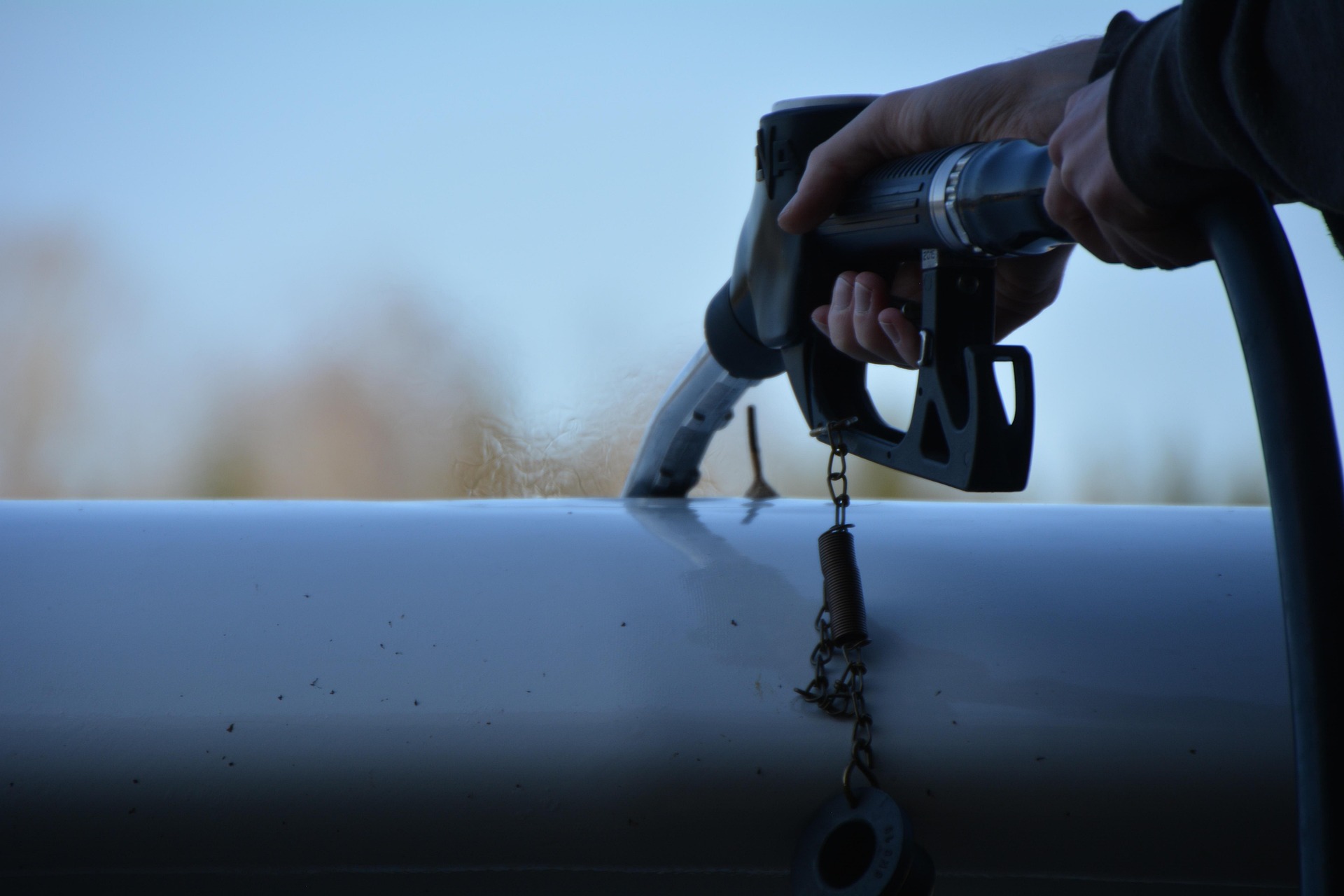
From Wednesday, 7 October, a litre of 95 unleaded will cost R30.25 inland, the first time South African petrol has crossed the R30 mark. It’s the latest jolt in a year of fuel shocks, driven by ongoing tension between the US and Iran and disrupted oil shipments through the Strait of Hormuz. Those same geopolitical forces are pushing jet fuel prices up sharply too. And it couldn’t come at a worse time for business travel.
Quarter 4 was always going to be tricky. October through December is traditionally a busy stretch of the corporate travel calendar, with the year’s final stakeholder meetings, conferences and year-end events all squeezed in before the annual slowdown. At the same time, holidaymakers and international arrivals are competing for the same seats and rooms. For SMEs used to booking as and when they need to, record fuel prices on top of peak-season demand is a costly combination.
“Smaller businesses tend to have a smaller booking window when compared to larger corporates,” says Herman Heunes, GM at Corporate Traveller. “Multi-nationals, for example, typically require flights to be booked 21 days in advance, while SMEs are far more flexible and reactive. And they need to be, but in Q4 it can get expensive, especially against a backdrop of rising fuel prices.”
So how do you keep Q4 on track without the costs running away with you? Heunes has the following advice:
Book the trips you can already predict
Look at last year’s calendar. If your team went to Cape Town in November or Durban in December, they’ll probably go again. The message is simple: lock in fares now, before the best options – and flight times – sell out.
Of course, booking is often cash flow dependent, and Heunes says partnering with a strong travel management company (TMC) can make all the difference.
“SMEs don’t have the travel volume to negotiate good rates on their own,” he says. “A TMC does. Partnering with one gives you access to its buying power, so you benefit from negotiated rates with airlines, hotels and car rental companies that you wouldn’t get booking direct. On top of that, Corporate Traveller offers clients a credit facility, so you can book now and pay later, protecting your cash flow.”
Adopt a Total Trip Cost (TTC) mindset
The instinct when prices spike is to cut costs wherever possible: book the cheapest flight, cap hotel spend and push for budget stays. But the ticket price is only part of the picture. TTC adds in the ground transport, the lost working hours and the toll on the traveller (which is particularly important if your team’s already had a long year).
Take the classic Q4 compromise: a cheaper flight with a longer layover, paired with a hotel further from the city centre. The saving looks good on paper, but it often means a tired traveller, a taxi fare to and from an outlying hotel, and maybe a lounge visit to make the layover bearable. By the time you add it all up, the “cheaper” option often costs more, in money and morale.
“Always look at TTC rather than just ticket price,” says Heunes. “Paying slightly more for a flight or a hotel near a client’s office can deliver more in the long run. You avoid extra ground costs, and your team arrives on time and ready to work.”
Pay for flexibility where it counts
December work is inherently reactive. Stakeholder meetings run long, end-of-year event schedules can shift at the last minute, and unpredictable weather can easily disrupt itineraries. In fact, research shows that both travel managers and bookers consistently cite trip instability and the financial risk of non-refundable bookings as top concerns during peak seasons.
If a client meeting moves, even by a couple of hours, a “cheap” fare instantly loses its value, forcing you to buy a brand-new ticket at peak, last-minute prices. A flexible corporate fare costs a little more upfront but acts as an insurance policy, protecting the budget when plans inevitably change in Q4.
Book the car with the flight
Ground transport should never be an afterthought, yet it is often left to the last minute. In Q4, corporate demand coincides directly with the holiday rush and, interestingly, there are a few categories that sell out first, including minivans and 7+ seaters (important to note, if you’re transporting your team to an event), automatics (across all categories) and SUVs/4X4s. Get in quick, and ensure your travellers are enrolled in ‘fast-track’ or ‘skip-the-queue’ programmes, as any time saved during Q4 is a massive win.
Look after your people
Year-end fatigue is real, and it directly affects how travellers perform when they arrive.
“Put someone on a 06:00 flight with a long layover to save a few hundred rand, and they’ll just arrive feeling flat and exhausted,” says Heunes. “But it’s important to look at ground-level friction too. Negotiate early check-ins or late check-outs wherever possible and enquire about complimentary hotel shuttles. These ‘soft perks’ are incredibly difficult to secure on your own during peak season, but ask your TMC to work their magic.”
What to do now
“Most Q4 savings come from decisions made before the rush,” says Heunes. “An hour of planning this week will make a massive difference come December.”
Here are three things you can do immediately:
- Audit your ticket credits. Cancelled meetings throughout the year leave unused ticket credits sitting forgotten in inboxes until they expire. Check what’s there before you book anything new. A good TMC will track and apply these automatically, so check in with your travel manager to confirm.
- Pull your bookings from last year. If you have recurring meetings or events, lock in flights and rooms this week.
- If you have partnered with a TMC, let them do the heavy lifting. Be proactive, make travel decisions as soon as possible so they can leverage their buying power and supplier relationships to secure the best corporate fares and rates available – alongside perks like early check-in and room upgrades.