Conservation Organisation Seeks to Build Search Data Following 2019 Unicode Rejection and COVID-Era Traffic Spike
JOHANNESBURG, SOUTH AFRICA – February 21, 2026 (World Pangolin Day) – Pangolin.Africa today announced a coordinated campaign to achieve the approval of a pangolin emoji with the Unicode Consortium, marking a renewed effort following a rejection of an application in 2019.
The Unicode Consortium, the non-profit organisation responsible for approving new emojis, requires specific, quantifiable evidence of public interest. Petitions and social media campaigns are explicitly not accepted. Instead, Unicode evaluates:
- Google Search volume and trends
- Google Video Search metrics
- Website traffic data
- Comparative analysis with approved animal emojis
“Unicode’s requirements are rigorous, and rightfully so,” notes Toby Jermyn, Director of Pangolin.Africa. “They need proof that people will actually use a pangolin emoji. Our campaign is designed to build exactly that proof – transparently, measurably, and in accordance with their documented standards.”
The campaign launches on World Pangolin Day (21st February 2026) with a call for global audiences to search for “Pangolin” on Google and alternative search engines to build the quantifiable public interest metrics that Unicode requires for emoji approval.
“A pangolin emoji was proposed to Unicode in 2019 and was summarily declined,” says Emma Bracher, Programme Director at Pangolin.Africa. “Then COVID-19 hit, and suddenly everyone was searching for pangolins because of the virus’s suspected origins. Search traffic spiked dramatically. But we can’t rely on a global pandemic to generate awareness. We need sustained, organic interest—and we’re building that now.”
The Case for Pangolin Representation
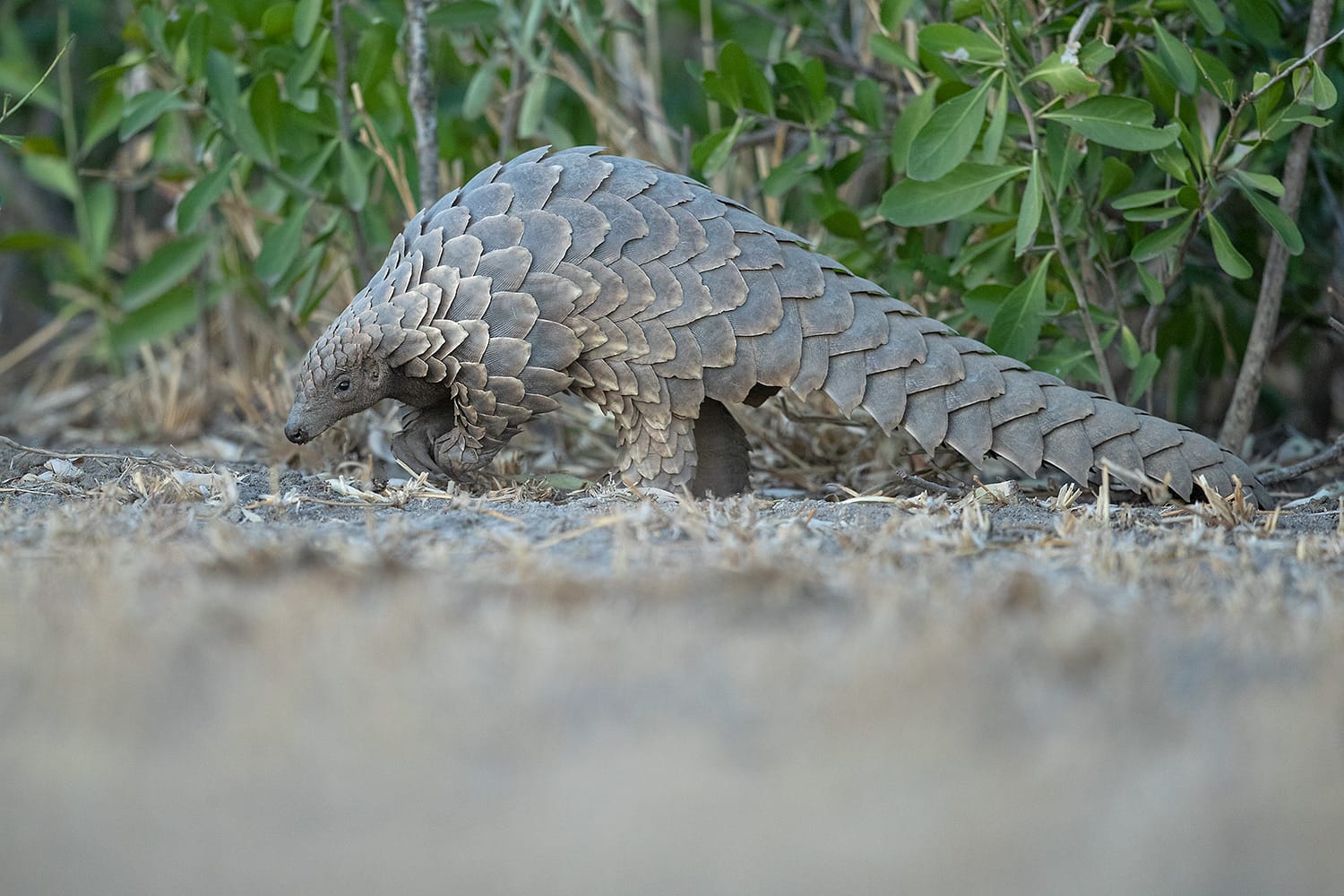
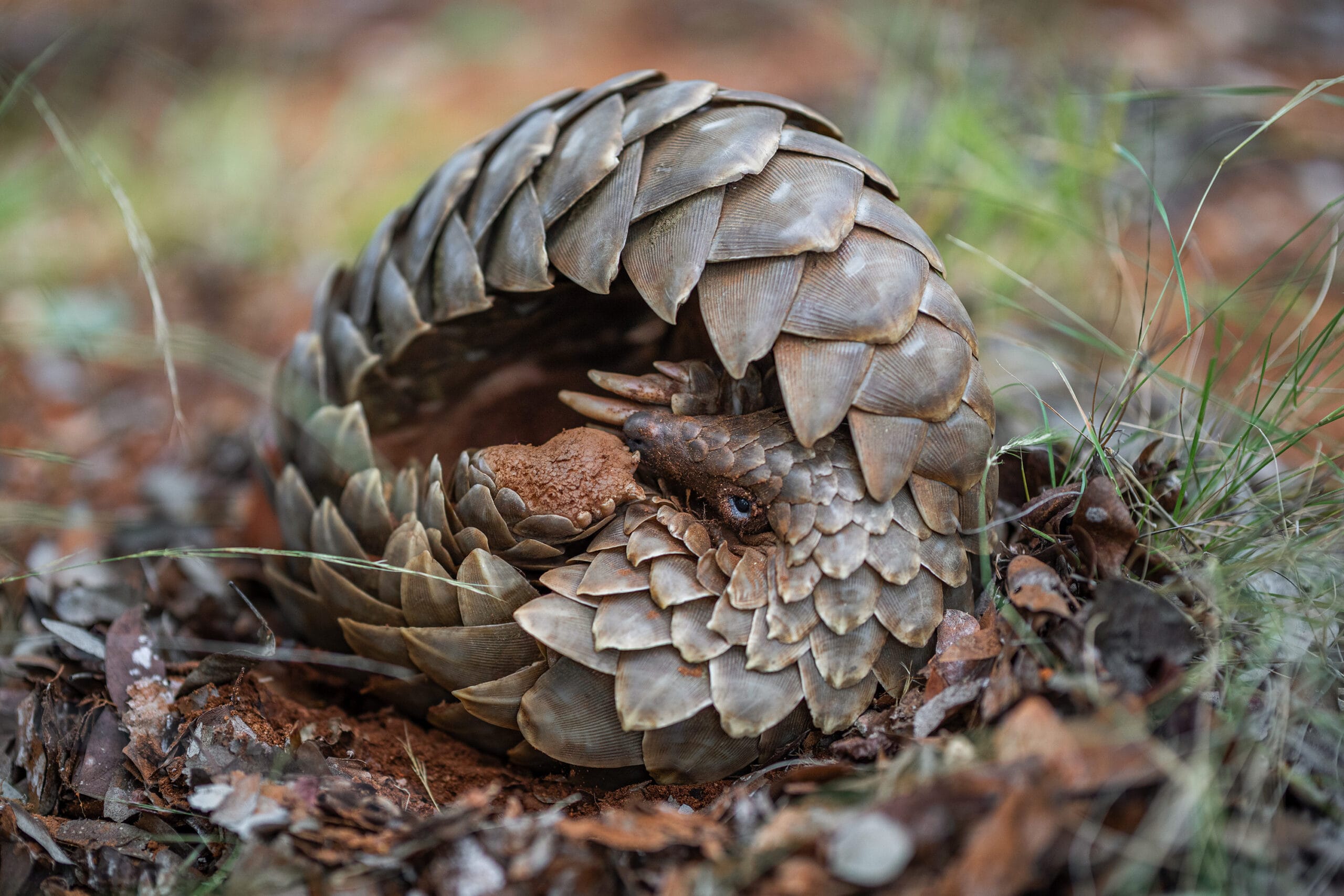
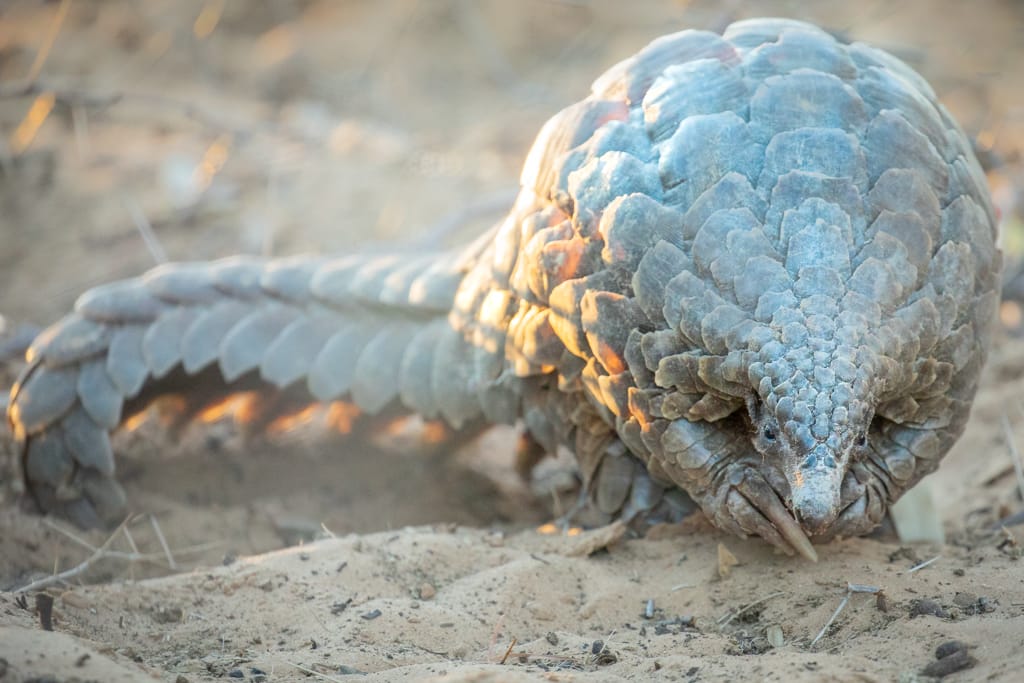
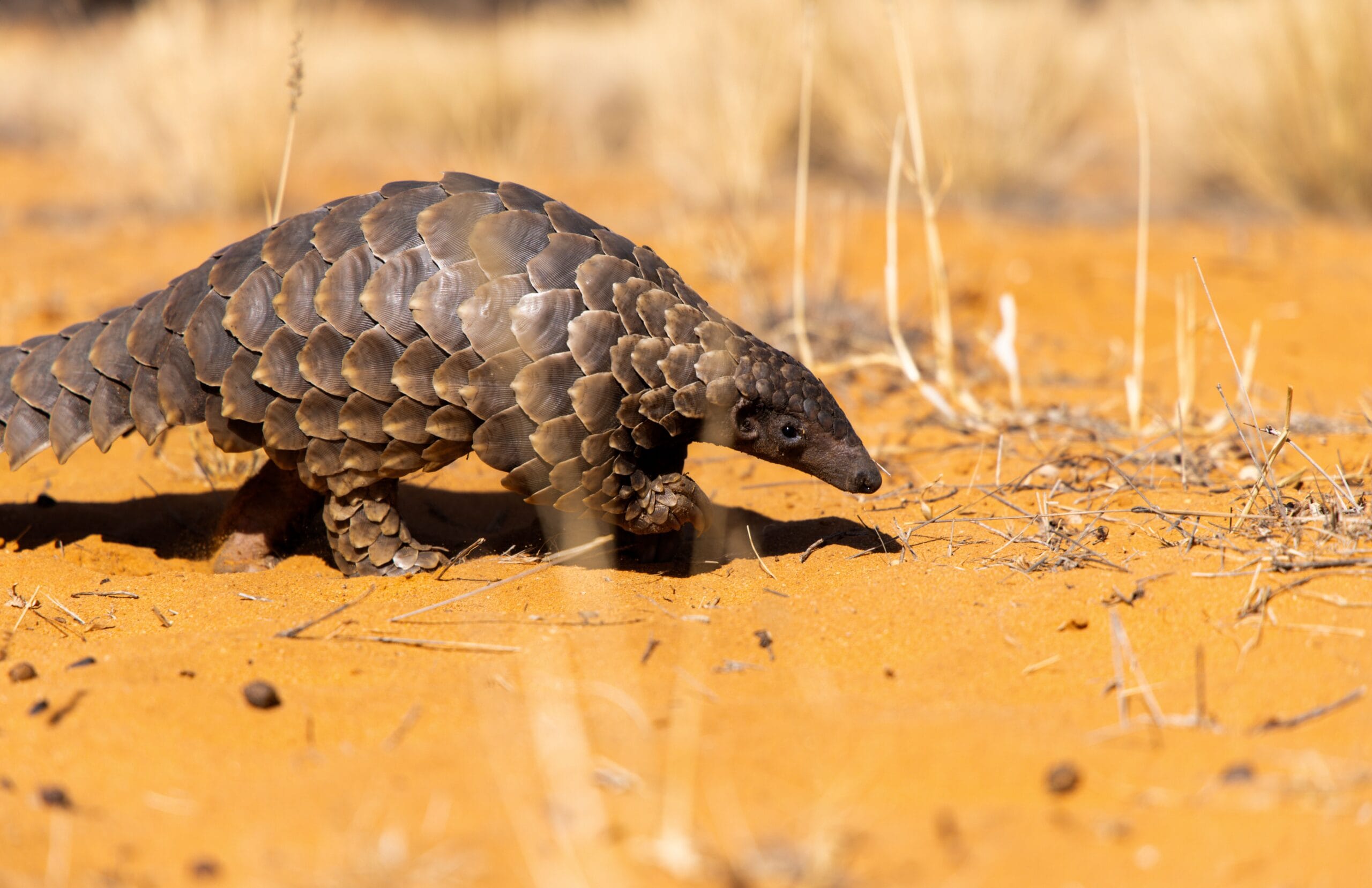
Pangolins occupy a unique position among endangered species: they are simultaneously real animals facing extinction and creatures of almost mythical quality in popular imagination. Their distinctive scales, long tongues, and solitary nature make them unlike any other mammal on Earth.
Yet while dragons, unicorns, and other mythical creatures have emoji representation, pangolins do not. Even extinct animals like the dodo and dinosaurs are represented in emoji keyboards worldwide.
“There is a genuine incomprehension as to why pangolins don’t have an emoji,” explains Jermyn. “They’re visually distinctive. They’re culturally significant across Africa and Asia. They’re critically endangered and need awareness. And they have all the characteristics that make for compelling emoji use. The only thing missing has been demonstrated public interest.”
Emoji Design Competition
Following the awareness campaign, Pangolin.Africa will launch a design competition open to anyone who has completed the Pangolin Guardians Course. Participants will create Unicode-compliant emoji designs (curled-up and walking poses) for submission.
Pangolin.Africa will open submissions for design entries from 15 March 2026. A full design brief with details of the Unicode specifications, is available on the Pangolin.Africa website.
The winning designer receives international recognition and the distinction of creating the first pangolin emojis, with designs submitted to Unicode during May 2026.
The Conservation Context
Pangolins are the world’s most illegally trafficked mammals, with over one million individuals stolen from the wild in the past decade. All eight pangolin species – four in Africa and four in Asia – are threatened with extinction due to poaching for their scales (used in traditional medicine despite having no medicinal value) and meat.
Despite this critical conservation status, pangolins remain largely unknown to the general public. Digital representation through emojis would provide a tool for everyday conservation conversations, much as elephant 🐘, rhinoceros 🦏, and gorilla 🦍 emojis have done for those species.
“When people can text about pangolins as easily as they can text about elephants, pangolins become part of our cultural conversation,” says Bracher. “That visibility drives awareness. Awareness drives action. Action drives conservation outcomes.”
The COVID-19 Precedent
In early 2020, search interest in pangolins surged dramatically as scientists investigated the virus’s origins and potential wildlife reservoirs. Google Trends data showed a spike in “pangolin” searches that persisted for several months.
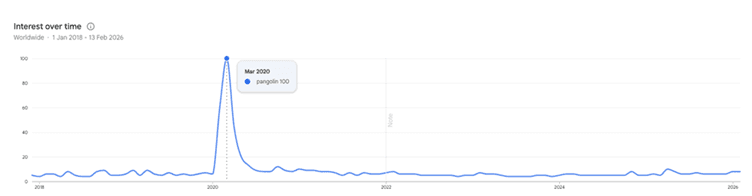
“That spike proved people were interested. But it was driven by a global health crisis, not by genuine conservation engagement,” explains Jermyn. “What we’re building now is sustainable, education-based interest. People aren’t searching because they’re afraid. They’re searching because they want to learn, understand, and help.”
Call to Action
Individuals worldwide are encouraged to:
- Search “pangolin” on Google (web search, image search, video search)
- Visit Pangolin.Africa to learn about the species and conservation efforts
- Complete the FREE 15-minute Pangolin Guardians Educational Course
Media organisations can support the campaign by:
- Covering pangolin conservation and the emoji campaign
- Including pangolin imagery in World Pangolin Day coverage
- Linking to Pangolin.Africa educational resources
- Explaining the trafficking crisis and conservation needs
For more information about the campaign, to access educational resources and imagery, or to complete the Pangolin Guardians Course, visit pangolin.africa
View video by Toby Jermyn here on the Pangolin Emoji Campaign.
Media Contact
Nikki Evans
Marketing Manager, Pangolin.Africa
Email: nikki@pangolin.africa
Phone: +27 082 578 3602
Website: www.pangolin.africa
About Pangolin.Africa
Pangolin.Africa is a South African based registered non-profit organisation (Reg. No. 2018/380634/08) dedicated to the survival of the most highly trafficked wildlife species on Earth – the African pangolin. Through Pangolin.Africa’s three-pronged approach of publicity, participation, and protection, its projects enable global partners in tourism, conservation, and business to contribute to research, protection, and rehabilitation of this vulnerable species.