For travel managers, corporate accommodation is anything but an afterthought. Rates are carefully negotiated. Value-adds are the result of rigorous programme management and sustained relationships with properties across the globe. And yet, for all that effort, the hotel room itself has long remained a place of inherent anonymity: somewhere to sleep between meetings, designed for everyone and no one in particular. Well, until now.
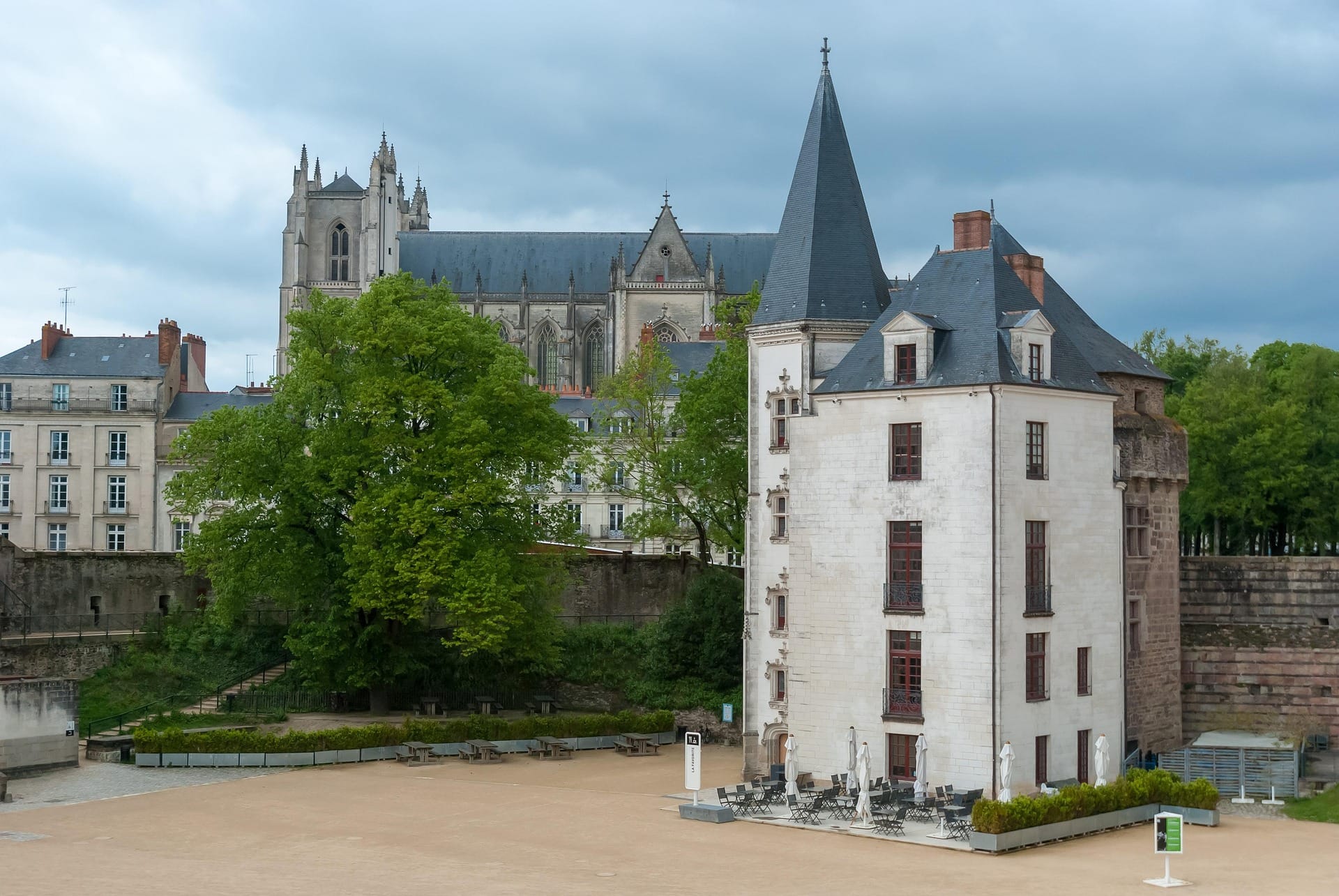
According to Mummy Mafojane, General Manager of FCM South Africa, the experience economy has officially arrived in corporate travel, carried in on the back of the ‘unique stay’ hotel, a category traditionally belonging to the leisure traveller. Think converted train stations, buses and police stations. Restored heritage estates and reimagined industrial warehouses. Places that prove travel is supposed to make us feel more alive, whether you’re there for a conference or a honeymoon.
“As business travel evolves, companies are starting to ask a different question,” explains Mafojane. “Not just how do we get our people there and back efficiently, but what do we want the experience to actually feel like?”
Environment as a business input
Research by Yonsei University’s Department of Interior Architecture and Built Environment confirms that an individual’s surroundings significantly influence their capacity to think creatively and generate new ideas. Put simply: where you put people shapes how they produce.
It is a finding that sits somewhat uncomfortably alongside the phenomenon of ‘creeping neutrality’. A study analysing over 7,000 objects from the UK’s Science Museum collection found that colours in everyday items have been steadily neutralised since the 1800s, with desaturated greys, blacks and muted tones now dominating consumer products, including traditional corporate workspaces and accommodation.
In response, Mafojane emphasises that the experience economy is drawing attention to the potential of incorporating creative, elevated spaces into travel programmes, and the very real impact they can have on the mood and productivity of travelling employees.
“As research reminds us, environment is not just ambience. It is employee wellbeing, and a measurable input that directly influences your team’s mindset,” she says.
Making the distinctive possible
The conversation about the value of unique stays finds its clearest expression in the meetings and events space, where the choice of venue shapes the tone and outcome of an entire programme.
Lance Nkwe, Business Leader South Africa at FCM Meetings and Events, puts it plainly:
“When we design a meeting or incentive programme for a larger multi-national company, one of the first things we ask is: what do you want people to remember? Because the venue and the stay are not the backdrop to the event. They are part of the event.”
Nkwe has seen firsthand how a carefully curated property (one with history, character, and a genuine sense of place) can shift a group’s energy within hours of arrival. “Conversations that would never happen in a conventional meeting room happen naturally in a space that feels genuinely different,” he says.
The implications extend well beyond delegate comfort. A leadership retreat held in a restored heritage property or a treehouse beneath the stars creates a context for candour and collaboration that a conventional boardroom simply cannot replicate. A team incentive programme anchored by a truly unique stay becomes a shared reference point that people talk about long after the agenda has been forgotten.
This is clearly seen in a new seasonal tented camp developed by Chiefs Tented Camps near Victoria Falls targeting the growing safari incentives market in Southern Africa. Victoria Falls has increasingly expanded beyond leisure travel into incentive programmes, group tourism and multi-destination safari itineraries linked to Botswana and Zambia.
For businesses considering new MICE opportunities, Nkwe sees a significant untapped opportunity: “South Africa is sitting on an extraordinary inventory of world-class, unique properties that most travel managers have never seriously considered. Big or small, there are plenty of ideas to explore.”
Duty of care
Distinctive, of course, cannot mean gimmicky or reckless. For Mafojane, the conversation about unique stays must remain inseparable from the fundamentals of sound travel management.
“Travel has always been about moving people efficiently, but unique stays, when selected for the right trip and the right team, become an extension of your culture. They signal how you value your people,” she says. At the same time, she is clear that creativity cannot come at the cost of compliance. “Policy, duty of care, and cost governance do not disappear because the building used to be a prison. The job of a good TMC is to make the distinctive possible without compromising the fundamentals.”
It is a balance worth striking. The unique stay, used thoughtfully, is not novelty for novelty’s sake. The category that makes genuine sense in a corporate context is what Mafojane and Nkwe both describe as purposeful distinctiveness: accommodation that is memorable and immersive, deeply tied to a place or a story, while still delivering on the non-negotiables of comfort and care.