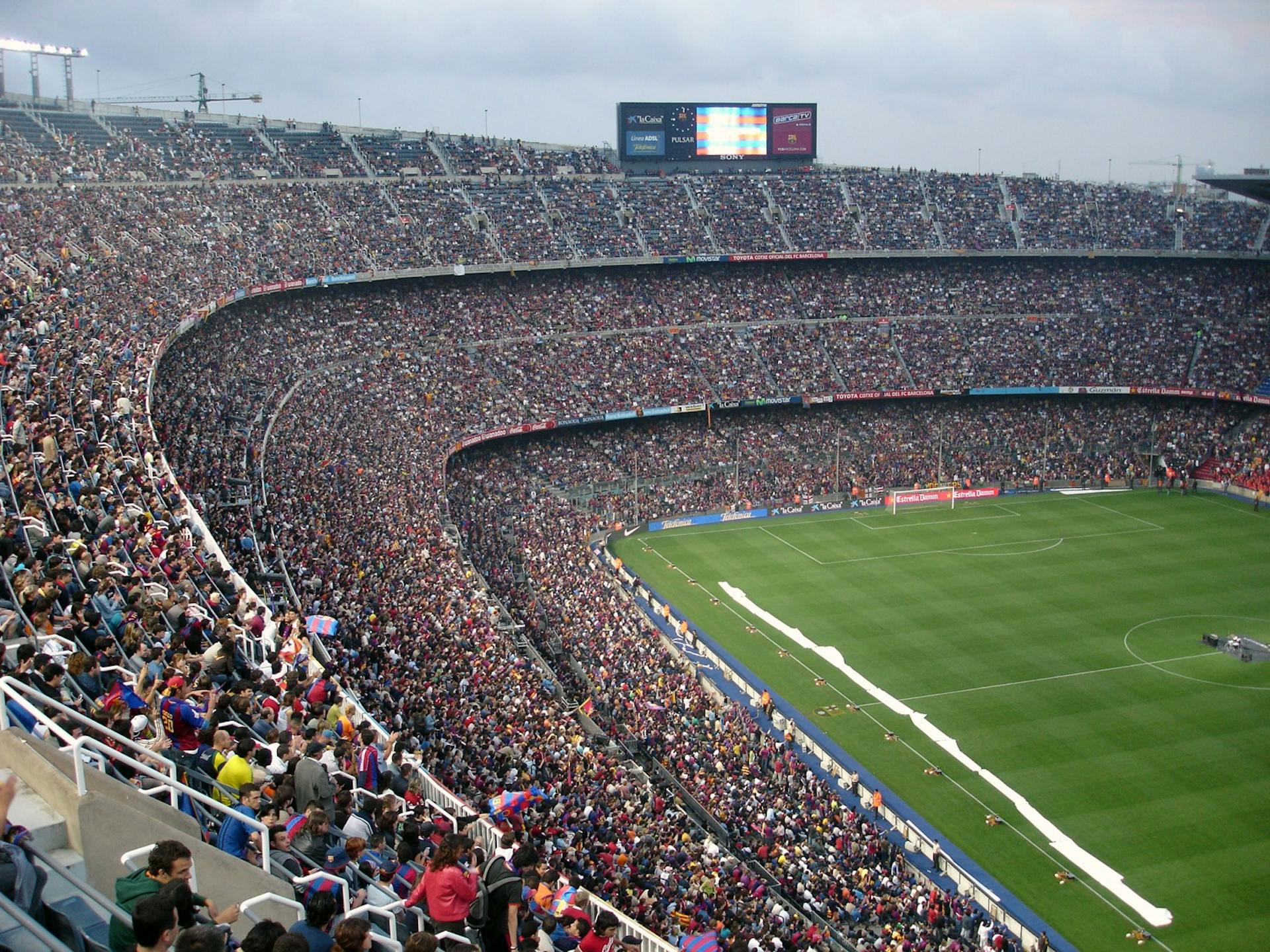
Hotels ratchet up rates, airfares climb and space runs out fast. Travelling during mega-events can be daunting – and expensive. But with the right strategy, you can protect essential business trips and control costs.
FIFA World Cup 2026 will turn 16 host cities across the USA, Canada and Mexico into peak‑demand zones, where hotel and flight prices can jump several hundred percent and sell out months in advance.
Mummy Mafojane, GM of FCM South Africa, says the only way to protect essential trips is to treat the tournament like a planned disruption – and lock in a strategy well in advance.
Know the risk: 16 cities, moving peaks
“The World Cup is a moving target,” says Mafojane. “Fan travel will create rolling spikes as matches move between regions, complicating air, hotel, and ground capacity planning. This is not unusual for mega events, but it does require forward planning where possible.”
There is plenty of data on major events bringing severe price shocks. During the 2024 Paris Olympics, for example, average hotel rates more than tripled on peak dates, jumping from around €200–€300 a night to over €700.
“Add to this annual increases,” says Mafojane. “Global forecasts show hotel prices rising another 4% to 7% annually this year – depending on where you are – even before you add event premiums, so unmanaged programmes will get a double hit.”
Lessons from South Africa’s mega events
During the 2010 FIFA World Cup, about 65% of accommodation establishments in Gauteng charged more than 50% above their normal high‑season rate. In Cape Town, hotel revenue per available room jumped about 220%, while Sandton hotels’ room revenue surged close to 300% over the previous year.
Mining Indaba is another textbook example of how late planners lose out. Last year, Cape Town’s City Bowl hotels pushed nightly rates as high as R10,000 and enforced four‑night minimum stays, leaving late bookers with slim pickings or exorbitant costs.
“Demand always explodes just weeks before Mining Indaba,” explains Mafojane. “Central hotels sell out early, while minimum‑stay rules complicate things. This year, three of our preferred hotels sold out well before the conference, which ran from 9-12 February. But specialist travel management teams will pre-book blocks at key hotels, negotiate flexible terms, and keep ‘contingency inventory’ for key clients.”
FCM’s Indaba strategy focuses on booking early, using a mix of premium and secondary-location hotels, and building in crisis support if cancellations or transport disruptions hit during the week.
The lesson for World Cup travel buyers is simple: once demand hits, you are negotiating from a position of weakness.
1. Secure inventory early
- Lock in key cities now, using historical big-event data as your guide.
- Pre-book around high-risk dates – match days and knockout stages – on flexible fares where possible.
2. Use corporate contracts, not public channels
- Corporate hotel programmes can cap or smooth average daily rates and secure last-room availability in priority properties when public sites show zero inventory.
- Your travel management company (TMC) can also negotiate deals in secondary or airport-adjacent hotels that are less exposed to fan traffic but are still practical for business meetings.
3. Consolidate, don’t fragment
- Centralise booking through your agreed booking platform instead of letting travellers go rogue, which exposes them to inflated event‑driven pricing and rigid minimum‑stay rules.
- Stack your trips: cluster regional meetings and site visits into a single journey instead of multiple separate trips.
4. Remain open-minded (aka flexibility for the win)
- When mega-event host cities are at capacity, flexibility becomes your main cost lever. Consider nearby hubs and secondary cities with strong transport links, then design ground transfers from there; this is a proven tactic in high-demand venue sourcing where adjacent hubs often offer better availability and rates.
- Shifting dates by even one or two days can make a major difference – chat to your travellers about being a little more adaptable (and agreeable) over busy periods.
5. Put a TMC to work
- Mega events expose the limits of unmanaged or lightly managed travel. A specialist TMC brings three advantages: data, relationships, and real‑time support.
- Data: Using event calendars, historical pricing, and live demand signals, a TMC can flag at‑risk destinations months ahead and recommend when to switch from “monitor” to “book now”.
- Relationships: Because hotel and airline partners know Mining Indaba or G20-style spikes are coming, they are more willing to set aside corporate inventory and negotiate tailored terms when approached early by a trusted partner.
- Support: If cancellations, schedule changes, or security incidents hit during events, 24/7 support teams can reroute travellers through alternative hubs, tap contingency room blocks, and enforce your approval rules under pressure.
“FCM maintains a global events calendar, updated quarterly, which means we can flag high-demand periods and destinations,” says Mafojane. “It allows travel buyers to map their exposure early, ringfence critical trips and make smarter decisions around routing and booking windows before the rest of the market catches on.”
Do that, and your travellers can keep doing business while the rest of the market scrambles for the last seat – and the last room at the inn.