Table of Contents
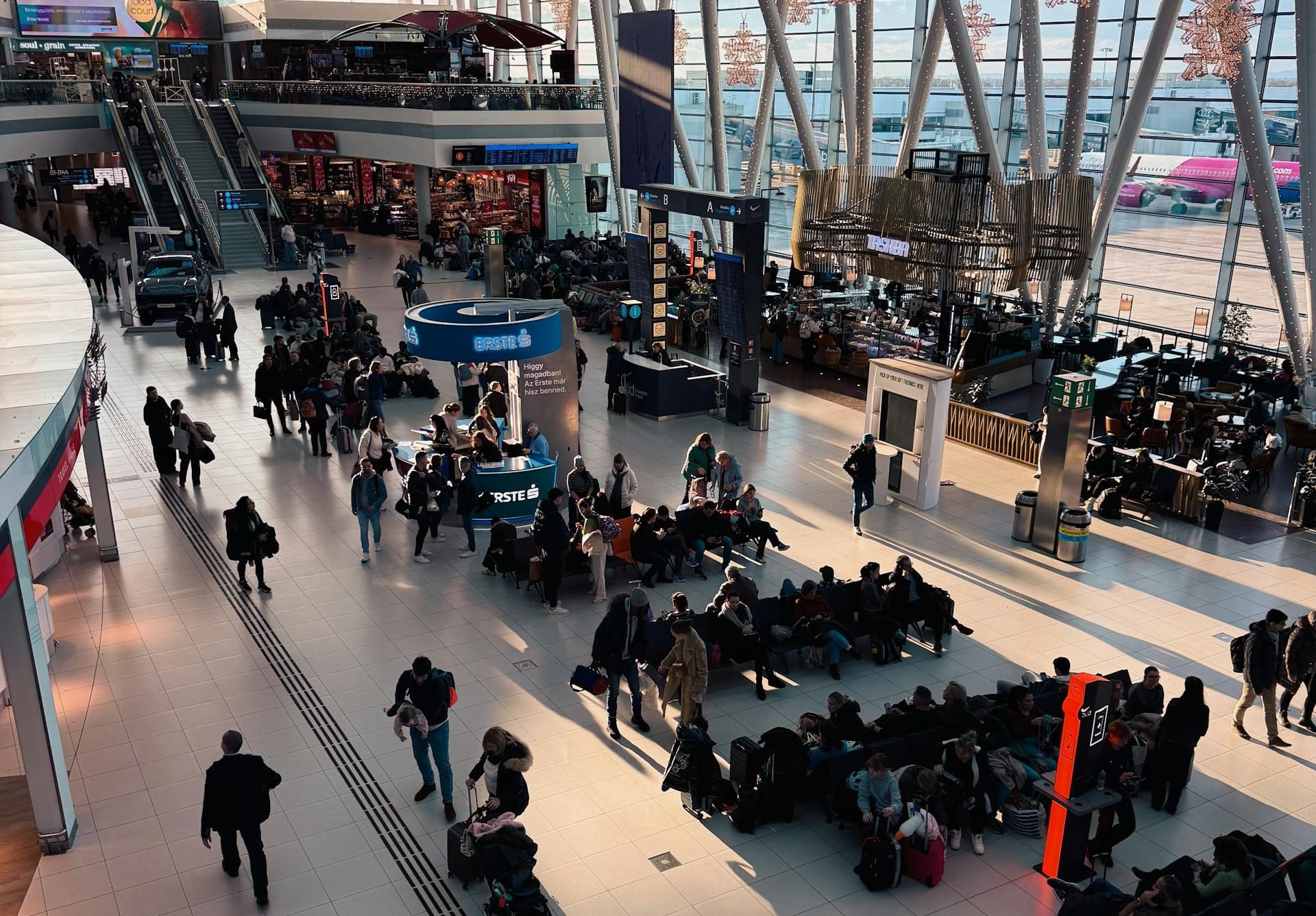
JOHANNESBURG – In April 2024, when 18 months of rain fell on Dubai in a single day, more than 1,200 flights had to be cancelled, stranding over 250,000 travellers in terminals. Late last year, Cyclone Ditwah wreaked havoc in Sri Lanka during peak tourist season, forcing mass evacuations of foreign visitors. Right now, conflict in the Middle East continues to ground flights and drive disruption.
In such situations, it’s not only leisure travellers affected, but business travellers suddenly stranded without a backup plan or a clear timeline for getting home. For their employers, the crisis boils down to: Where, exactly, are our people … and how can we keep them safe?
The International SOS Risk Outlook 2026 report reveals that most companies cannot answer that question confidently. Surveying over 860 global leaders and risk specialists, the report confirms a dangerous “preparedness gap” is widening.
The International SOS, the world’s leading health and security risk services company which provides worldwide assistance for medical, security and travel emergencies, says 57% of leaders say new risks are emerging faster than they can manage. Three-quarters (74%) say the window for critical decisions is shrinking. And only 35% feel confident they can mobilise teams quickly when it counts.
If an organisation cannot locate its staff in the first hour of a disaster, it isn’t managing risk.
“More and more companies are waking up to the importance of risk management,” says Mummy Mafojane, General Manager of FCM South Africa. “In our experience, the key is being proactive – investing in the right systems before a crisis hits, so you have the tools and support in place. This includes a centralised booking system, real-time safety dashboards and 24/7 travel support.”
What can go wrong, often does
The other problem is that risks no longer arrive one at a time. The report found that 49% of leaders now see security, health and operational risks as tightly linked, often hitting simultaneously. A flood is also a health risk, a security concern if civil unrest follows, and a digital risk if systems go down at the same time. Airspace closures have turned straightforward routes into last-minute detours and long delays. And geopolitical instability tops the worry list, cited by 47% of respondents, ahead of cybercrime at 27%.
Meanwhile, the staff members absorbing these risks are exhausted: living in this “permacrisis”, they are worn down by inflation, conflict, climate anxiety and constant volatility. Anxiety and stress remain the most common reasons for medical assistance among business travellers, yet only 17% of companies rank mental health as a top-three concern. That disconnect between what employees are experiencing and what companies are planning for is a liability.
What’s the plan?
“Travel risk management is not about getting your paperwork in order,” says Mafojane. “It’s about knowing, in the moment, where your people are and what they’re facing. When disruption hits, you need a plan: who is affected, what is happening, and how you’ll get them to safety.”
That starts with visibility. If employees are booking through a mix of online tools, airline apps and personal credit cards, the company has a disconnected view of their travel plans. But if they used a travel management company (TMC), those bookings would “live” on one system.
A capable TMC should offer real-time alerts, covering severe weather, unrest, strikes, health outbreaks and cyber incidents, which are matched against current and upcoming itineraries.
Who takes ownership?
Technology only works if someone owns the outcome. Too often, nobody quite owns travel risk. Security assumes HR has it covered. HR thinks it’s an issue for the line manager. Finance worries about cost, legal worries about liability, and by the time it reaches the C-suite, it’s already a crisis.
“Clear ownership matters more than any single tool,” says Mafojane. “Someone has to be accountable to the risk register, the approvals and the escalation chain.”
ISO 31030:2021, the first international standard for business travel risk management, provides a useful framework for pre-trip assessments, traveller briefings, emergency response and post-incident support, including mental health. It’s voluntary, but regulators, insurers and courts are increasingly asking whether companies can demonstrate they’ve thought these issues through.
The standard assumes, of course, that the company knows the trip is happening. Increasingly, it doesn’t. The “hush trip”, during which an employee is quietly working from another country without telling their employer, is one of the fastest-growing blind spots in business travel. When that person calls for help during a trip the company didn’t know about, there is no policy to fall back on.
“Updating your travel policies to reflect today’s trends and realities and conducting regular risk audits are both important. They go hand in hand,” says Mafojane. “Disruption isn’t a question of if, but when. The companies that weather it best are the ones that already know where their people are, and what to do next.”
**ends**
For more information about FCM Travel call Sonnette Fourie on 081 072 2869 or email sonnette@bigambitions.co.za.
About FCM Travel:
FCM Travel, the flagship corporate travel brand at Flight Centre Travel Group (FCTG), is the business travel partner of choice for large national, multinational and global corporations. We are an award-winning global corporate travel management company ranking as one of the top five by size around the world. We operate a global network which spans more than 100 countries, employing over 6000 people.
FCM are transforming the business of travel through our empowered and accountable people who deliver 24/7 service and are available either online or offline. Leveraging FCM’s negotiating strength and supplier relationships in conjunction with our tailored business travel programs, our expertise delivers more for our clients where it matters most to them.
Visit us at www.fcmtravel.co.za
Issued by: Big Ambitions
Contact: Sonnette Fourie
Tel: +27 81 072 2869
Email: sonnette@bigambitions.co.za