Table of Contents
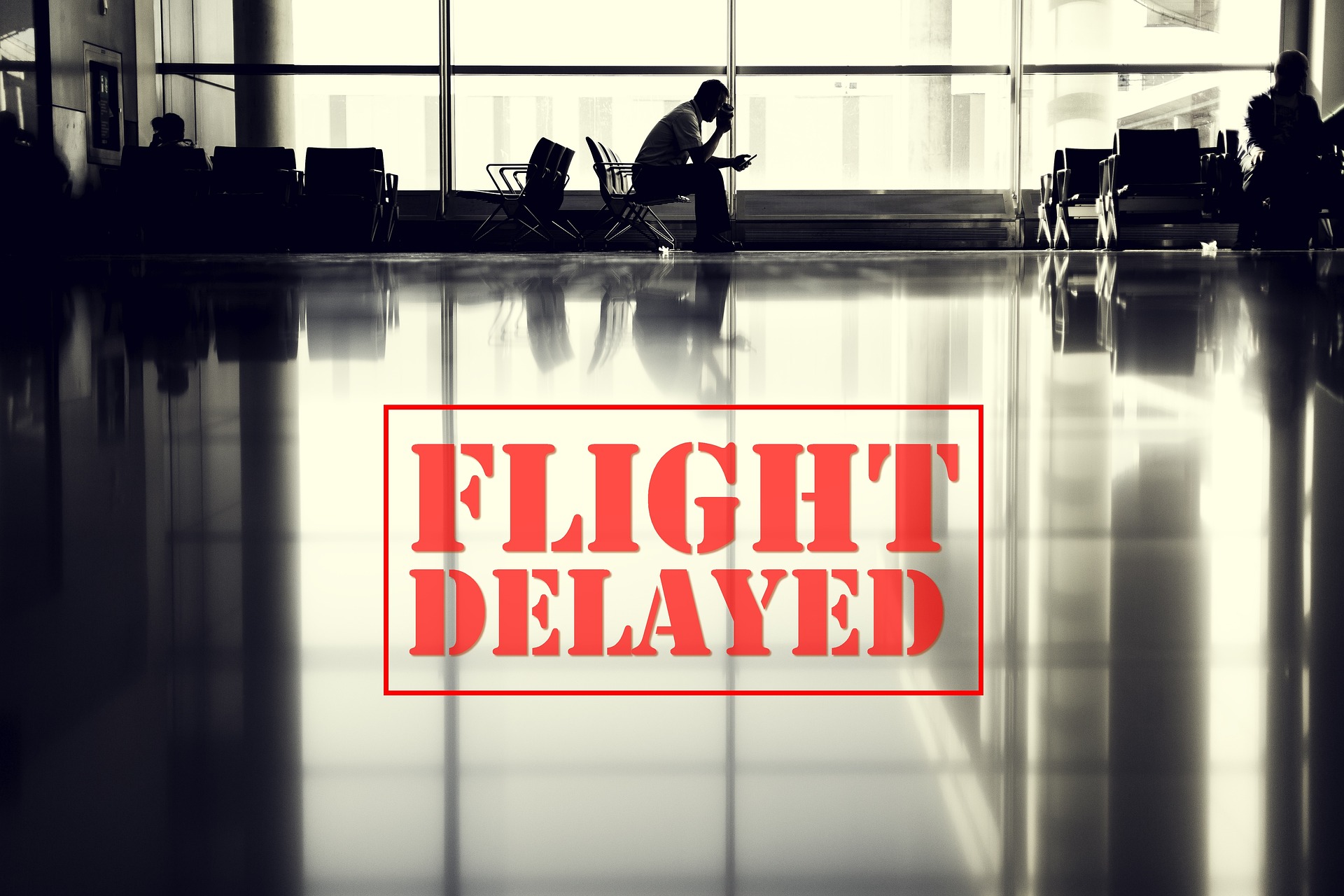
Johannesburg – The disruption making life difficult for business travellers today is not always the dramatic, headline-grabbing kind. It is more persistent and, according to the data, entirely predictable.
Eurocontrol reports that nearly one in three European flights now departs late on an ordinary working day. Boston Consulting Group documents hundreds of thousands of annual cancellations caused by the structural grinding of a system at its limits: staff shortages, gate constraints, infrastructure gaps and technology that cannot keep pace with demand.
Disruption, in other words, is now part of the operating environment. The question is whether your travel management company (TMC) has a response that matches that reality, warns Herman Heunes, General Manager of Corporate Traveller South Africa.
“Anyone can book a flight when everything is working,” says Heunes. “The true value of a travel partner is defined at 11pm when the flight is cancelled, the alternatives are filling up fast, and your traveller has a critical meeting at 8am the next morning. That is the moment that separates a booking agent from a genuine travel partner.”
Visibility is the starting point
Heunes argues that a gold standard travel crisis response starts long before a flight is cancelled, beginning with the foundational issue of visibility. If bookings are scattered across consumer websites and direct airline channels, a travel provider is effectively flying blind. In a disruption, the first hour is critical. If that time is spent identifying who is affected rather than solving the problem, the best rebooking options are already gone.
“Centralised booking is not only a control measure; it is a rescue capability,” says Heunes. The point is illustrated by a real case: when conflict broke out in the Middle East at the end of February, Corporate Traveller had Helen Keller International travellers en route to Cambodia for a team event. Thirty flights were simultaneously impacted. Because all bookings were held in a single system, every affected traveller was identified instantly, and the entire group was rerouted in under two business days. “That speed – under those conditions – is only possible when you have total visibility from the start.”
Data precision makes the difference
This speed of response is further dictated by the precision of traveller data. A crisis is won or lost in the minutes, and if a consultant is forced to chase a stranded executive for passport details or visa information while seats vanish in real time, the battle is already lost.
“An outdated traveller profile is a liability,” says Heunes. “Travel support requires complete, actionable details that are ready to go. You cannot be asking for a passport number while the last available seat on the only flight out is being sold to someone else.”
Technology and human judgement working together
While technology provides essential infrastructure for crisis response, Heunes maintains that the most effective support comes when digital tools and personalised human expertise work in sync. Modern travel platforms now offer instant alerts on flight disruptions and automated itinerary updates the moment plans change. This visibility gives both travellers and travel managers the information they need to act quickly.
Mobile platforms have become particularly valuable, delivering gate changes, delay notifications and cancellation alerts directly to travellers wherever they are. When integrated with risk management tools, these platforms can also push proactive messaging during broader disruptions, ensuring travellers receive relevant safety information and alternative options without having to search for them.
However, technology reaches a ceiling when a disruption turns complex. An app can notify a traveller that a flight is cancelled and even suggest alternatives, but it cannot assess whether the fastest reroute has a visa complication for a specific passport. It cannot negotiate a seat that is not showing publicly. And it cannot read the nuance of a situation where a traveller needs reassurance as much as they need a solution.
“When a traveller is stranded at midnight, they do not want a chatbot decision tree,” Heunes says. “They want an expert with the authority to make a judgment call and the empathy to stay on the line until it is fixed. The technology keeps everyone informed, but it is the human response that solves the problem.”
“Genuine 24/7 support is not just an open phone line or an automated alert. It is having people on the other end who know the account and stay ahead of the problem. We want to be calling the traveller before they even realise they need us.”
The cost of getting it wrong
The hidden consequences of a poor response rarely show up on a travel report. They appear instead in the deal that did not close or the executive who arrived at a conference exhausted and underprepared. Heunes observes that while businesses focus on the cost of the ticket, they should be focused on the cost of the ticket not working, which is invariably higher.
A robust response also extends to the administrative aftermath. Refunds, fare differences and ticket reissues can drag on for weeks, creating a second wave of stress for travel bookers managing Finance queries long after the traveller has landed safely.
“A travel partner is only truly up to the job if they are proactively updating the travel booker on the status of refunds and final charges,” Heunes says. “Leaving a booker to handle the administrative fallout alone after a crisis is a failure of service.”
Does your TMC understand your travellers?
Ultimately, Heunes suggests that the most practical step for any business is to evaluate whether their current travel partner truly understands where their people are going and what kind of support they need when things go wrong. This means looking beyond price to assess whether the TMC offers personalised support that matches the complexity and destinations of the company’s travel programme.
“Disruption in global aviation is not going to ease, and these structural pressures are not short term problems,” Heunes concludes. “Businesses cannot control the system, but they can control their response. The first step is knowing, honestly, whether the partner they have trusted with their people is up to the task.”
-ENDS-
MEDIA CONTACT
For more information about Corporate Traveller, or to interview Corporate Traveller South Africa GM Herman Heunes, call Sonnette Fourie on 081 072 2869 or email sonnette@bigambitions.co.za.
About Corporate Traveller
Corporate Traveller is a division of the Flight Centre Travel Group, dedicated to saving businesses across Southern Africa time and money. Corporate Traveller has the benefit of being part of the world’s third-largest travel retailer, leveraging its global negotiating strength. It has access to over 50 of the world’s leading airlines and deals with more than 100 000 hotels around the world to guarantee savings for clients. Corporate Traveller provides clear, consolidated reporting of all its clients’ travel activities, helping them to control travel spend and identify opportunities to save costs.
Issued by:
Big Ambitions
Sonnette Fourie
+27 81 072 2869